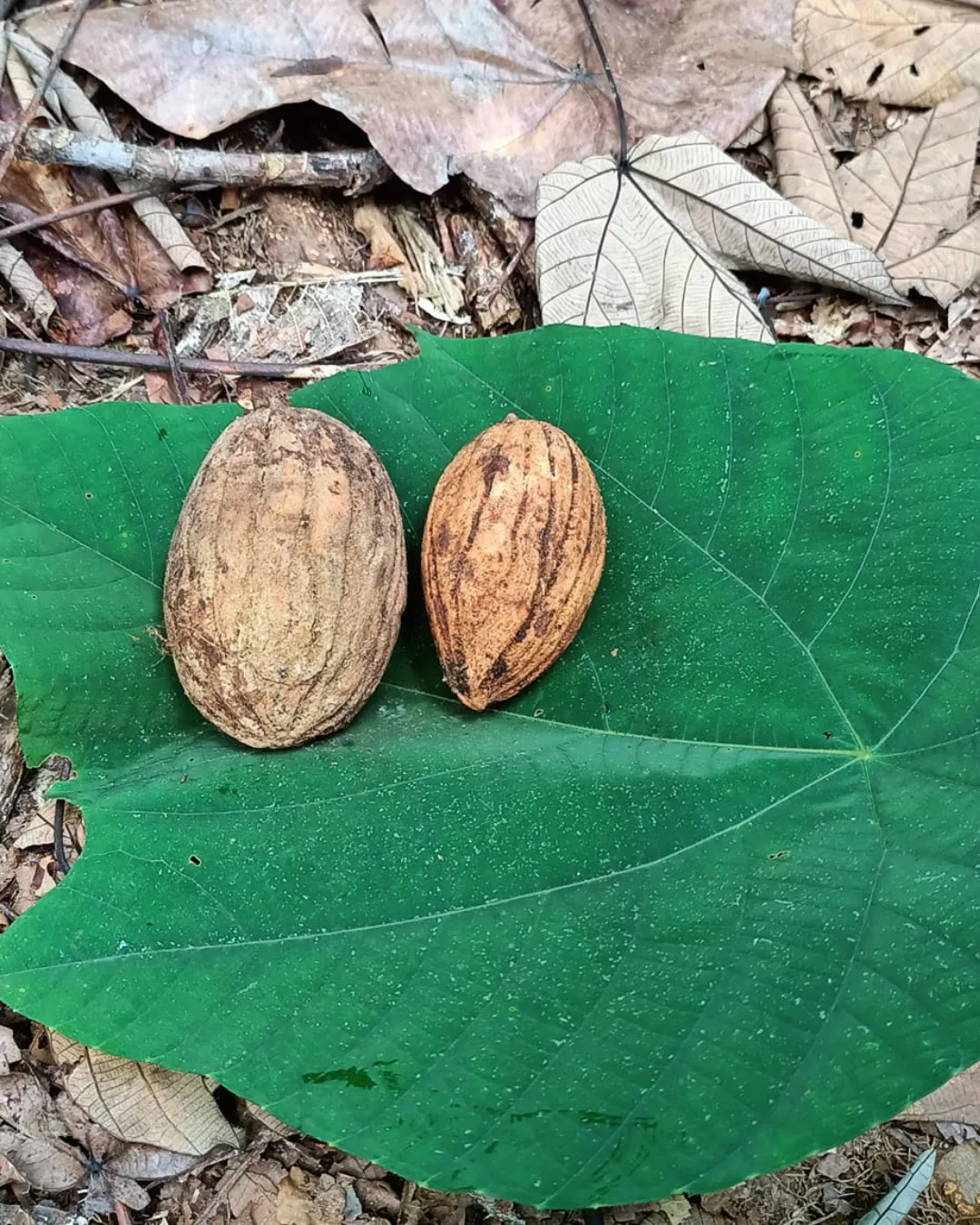
What Is Eusideroxylon zwageri?
Eusideroxylon zwageri is one of the most famous and culturally important trees of Southeast Asia. It is commonly known as Ulin, or Bornean Ironwood. Furthermore, the genus name Eusideroxylon comes from Greek. It roughly translates to “good ironwood” — a fitting name for one of the toughest timbers on Earth. The species name zwageri honours the botanist who first studied the tree in detail.
This species is native to Borneo and Sumatra, Indonesia. Additionally, it also grows in parts of Malaysia, Brunei, and the Philippines. The tree typically grows in lowland tropical rainforest, often along riverbanks and on hillsides. Consequently, it forms a key part of the mixed dipterocarp forests of Kalimantan — the heart of its natural range.
Ulin is a deeply respected species among the indigenous communities of Borneo. Furthermore, many villages have long-standing customary laws that protect and regulate the use of this sacred tree. Primarily, the wood is treasured for traditional longhouses, boats, and important community structures. The species is currently classified as Vulnerable on the IUCN Red List. Wild populations have declined due to slow natural growth and historical overharvesting of mature trees. Both the Indonesian government and the state of Sarawak have placed formal restrictions on the export of Ulin timber to help protect the species.
Induare Agro supports the responsible cultivation of this remarkable tree. The seeds offered here are sourced and exported legally for planting and conservation purposes — not for timber. Furthermore, every order includes full export documentation. This allows collectors, conservationists, and researchers worldwide to grow this legendary species and contribute to its long-term survival.
Aesthetic Features Eusideroxylon zwageri
Eusideroxylon zwageri is a towering evergreen tree with a commanding, ancient presence. It can reach a height of 40 to 50 metres in undisturbed forest. Furthermore, the trunk grows straight and tall, often clear of branches for up to half the tree’s total height. Mature trunks measure 150 to 220 cm across. This is an exceptionally large and long-lived tree species.
Trunk and Bark Eusideroxylon zwageri
The base of the trunk is one of the tree’s most distinctive features. It is covered in many small, rounded ridges — called buttresses — that flare outward at the base. Consequently, this gives the trunk an appearance often compared to an elephant’s foot. The bark is dark grey to brown. Additionally, it is rough and deeply fissured, or cracked, across its surface. This bark texture adds to the tree’s powerful, weathered character.
Leaves Eusideroxylon zwageri
The leaves of E. zwageri are simple, oval-shaped, and glossy green. Furthermore, they grow in an alternating pattern along the branches. The leaf surface is smooth and slightly leathery to the touch. Additionally, the foliage stays on the tree year-round, since this is an evergreen species. The overall canopy is dense and provides deep, cool shade beneath the tree.
Growth and Longevity
This is one of the slowest-growing trees in the entire tropical world. Furthermore, it adds only about half a metre in height per year. The radial growth rate of the trunk is even slower, at roughly half a millimetre per year. Consequently, a single Ulin tree can live for more than 1,000 years. Carbon dating of old stumps in Borneo has confirmed trees of this remarkable age. Additionally, young seedlings need some shade to establish, while older trees require full light to thrive. Fruiting occurs irregularly — often every two to three years — with fruit ripening about three months after flowering.
Global Seed Delivery & Phytosanitary Certification
Induare Agro is a professional botanical seed exporter based in Indonesia. The company works directly with verified, legal sources to supply rare and culturally significant Indonesian tree species. Furthermore, Induare Agro ships seeds to collectors, botanical gardens, reforestation projects, and research institutions in more than 50 countries worldwide. Every order follows a strict, fully documented export process from start to finish.
Packaging and Shipping
Induare Agro packs every seed with professional moisture-control materials. Cushioned express packaging protects the seeds safely throughout the entire journey. Shipments go out via Global Express couriers such as DHL and FedEx. Additionally, most international orders arrive within 5–14 business days. Furthermore, every parcel includes an official Phytosanitary Certificate. This document is issued by Indonesia’s Plant Health Authority. It confirms that the seeds are free from pests, disease, and regulated plant pathogens. Consequently, it meets the customs import requirements of the EU, USA, UK, Australia, Japan, and most other regulated markets worldwide.
Buyer Peace of Mind
Induare Agro takes legal compliance seriously for every single order. Every shipment includes the Phytosanitary Certificate and a commercial invoice. Furthermore, this complete documentation ensures smooth and fast customs clearance at every international destination. Additionally, the Induare Agro team provides after-sales growing guidance for every buyer. Primarily, the goal is to help every collector successfully grow this rare and culturally important species from seed.
How to Grow Eusideroxylon zwageri
Eusideroxylon zwageri is a long-term, patient project for any serious grower. Furthermore, this tree rewards dedication with a living link to one of the oldest tree lineages in Southeast Asia. The species grows slowly but steadily under the right tropical conditions. Follow these steps for the best results.
Step 1 — Seed Preparation Soak the seed in clean, warm water (25–28°C) for 24 hours before planting. Additionally, this helps soften the outer seed coat and supports more even germination.
Step 2 — Growing Medium Use a rich, well-draining tropical mix: 50% loamy forest-style soil, 30% compost, and 20% coarse sand or perlite. Consequently, this mirrors the moist, fertile floor of its native lowland rainforest habitat.
Step 3 — Sowing Plant the seed about 3–4 cm deep in a deep pot with good drainage holes. Furthermore, keep the growing medium consistently moist throughout the entire germination period.
Step 4 — Light and Shade Place young seedlings in partial shade, away from strong direct sun. Primarily, E. zwageri seedlings need shade to establish safely in their first years. Mature trees, however, require full light to grow well.
Step 5 — Temperature and Humidity Maintain a warm temperature between 24°C and 30°C at all times. Additionally, high humidity of 70–85% supports healthy early root and leaf development in this tropical species.
Step 6 — Watering Keep the soil moist but never waterlogged. Furthermore, this species grows naturally along riverbanks and tolerates regular moisture well. Always ensure the pot drains freely after each watering.
Step 7 — Transplanting Move the seedling to a larger pot or permanent planting site once it reaches 30–40 cm in height. Consequently, deep, fertile, well-drained soil supports the strongest long-term trunk development.
Step 8 — Long-Term Care Apply a balanced organic fertiliser (NPK 10-10-10) every 6–8 weeks during the early growing years. Furthermore, growth will remain slow and steady, often less than half a metre per year. Patience is essential — this is a true multi-generational tree.
© Content produced for Induare Agro — Indonesia’s professional rare seed exporter.
