What Is Mammea americana?
Mammea americana is a large, long-lived tropical fruit tree commonly known as the Mammee Apple. It is also called Mamey, Mammee, Santo Domingo apricot, or tropical apricot in different regions. Furthermore, the tree is native to the Caribbean islands, Central America, and the northern coast of South America. It grows naturally in warm, humid lowland forests. Consequently, it has thrived in this region for centuries before spreading further afield.
The species has a long and fascinating human history. In 1529, Spanish historian Oviedo recorded the Mammee Apple in his review of New World fruits. Additionally, the tree was later carried across the ocean to West Africa, Zanzibar, Southeast Asia, and Hawaii. Today, it remains a rare and underutilised treasure outside its home region. Primarily, this is because the fruit has a short shelf life and limited international awareness. Furthermore, the tree can live for over 100 years — making each specimen a long-term investment for any serious grower.
Induare Agro now offers fresh, verified Mammea americana seeds direct from Indonesia. Consequently, collectors and tropical fruit enthusiasts worldwide gain rare access to this slow-growing, long-lived, and deeply rewarding species. Every seed is shipped with complete export documentation for full legal compliance.
Aesthetic Features Mammea americana
Mammea americana is a large, stately evergreen tree with a dense, rounded canopy. It grows to 18–25 metres in height at maturity. Furthermore, the trunk is short and thick, reaching up to 1.2 metres in diameter on older specimens. The tree is heavily branched, giving it a full, oval crown that provides excellent shade. Additionally, the wood is hard, fine-grained, and naturally resistant to decay — traditionally prized for furniture and boatbuilding.
Leaves Mammea americana
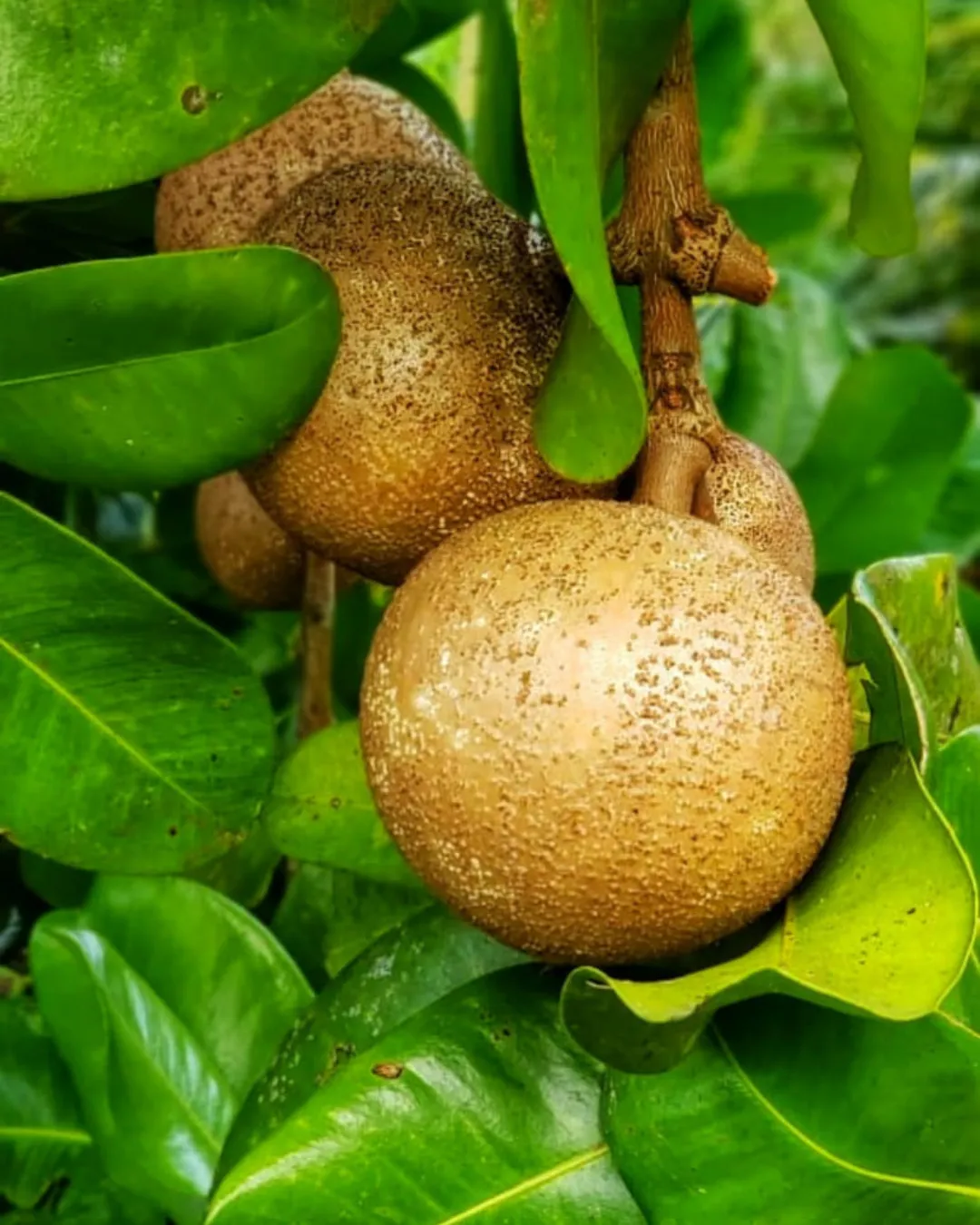
The leaves of M. americana are dark green, thick, and leathery. They measure 10 to 25 cm in length. Furthermore, the leaf surface has a glossy, waxy finish that catches the light beautifully. The leaves grow in an opposite pattern along the branches — meaning two leaves emerge from the same point on each side of the stem. Consequently, the dense, uniform foliage gives the tree a tidy, ornamental quality year-round, in addition to its fruiting value.
Flowers Mammea americana
The flowers of Mammea americana are small but fragrant. They are white to pale yellow, with four to six petals. Furthermore, the blooms are modest in size — only about 4 cm wide — but release a sweet scent that attracts pollinators. Some trees produce only male flowers. Additionally, certain cultivated varieties, such as the Redland type, produce perfect flowers containing both male and female parts on the same bloom. Insects, birds, and bats all assist with pollination in the wild.
Fruit Mammea americana
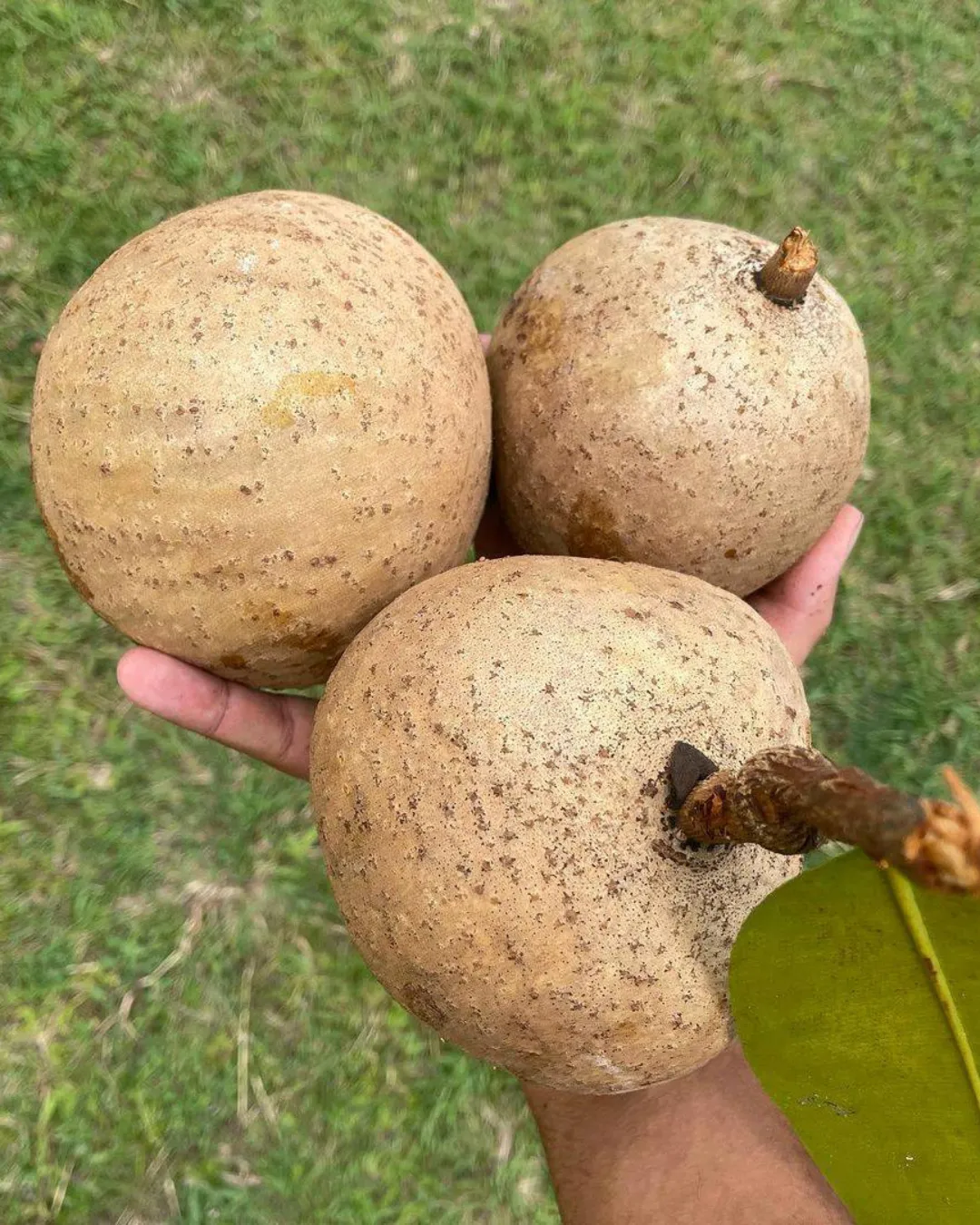
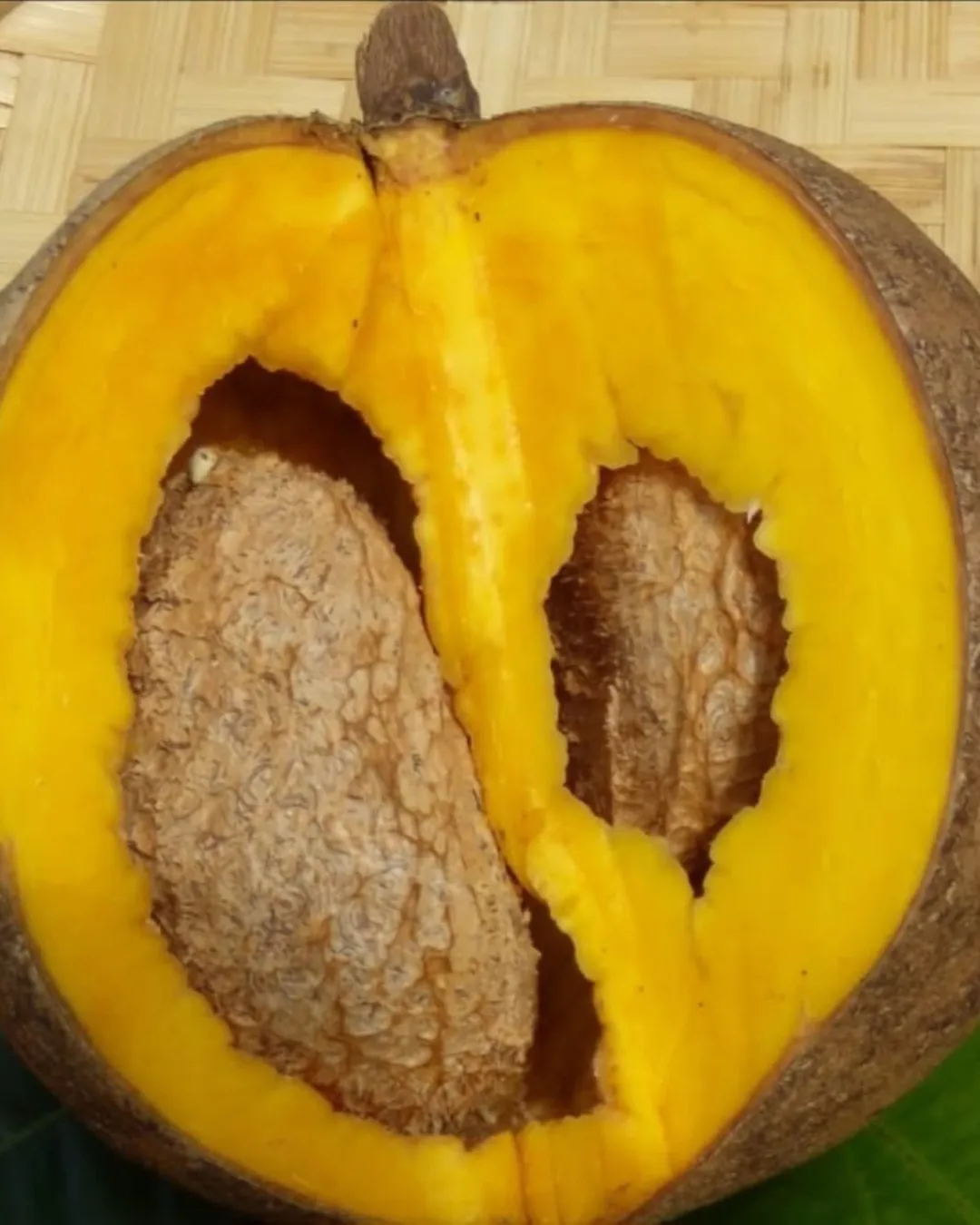
The fruit is the true highlight of this species. It is technically classified as a berry, though it is often mistaken for a drupe. The fruit is round to slightly irregular in shape. Furthermore, it measures 10 to 20 cm across — roughly the size of a small melon. The outer rind is thick, rough, and brown to grey-brown in colour. Primarily, the flesh inside is deep orange, firm, and aromatic. The flavour is widely described as a cross between apricot and mango, with a rich, sweet-tart character. Consequently, the fruit is eaten fresh, stewed, or made into jams, syrups, and traditional liqueurs.
Global Seed Delivery & Phytosanitary Certification
Induare Agro is a professional botanical seed exporter based in Indonesia. The company works directly with verified growers and tropical fruit specialists across the archipelago. Furthermore, Induare Agro ships rare and exotic seeds to collectors, botanical gardens, and research institutions in more than 50 countries worldwide. Every order follows a strict, fully documented export process from packing through to final delivery.
Packaging and Shipping
Induare Agro packs every seed with professional moisture-control materials. Mammea americana seeds perform best when sown fresh. Consequently, Induare Agro prioritises fast dispatch to preserve maximum germination potential on arrival. Cushioned express packaging protects the seeds throughout the entire transit journey. Shipments go out via Global Express couriers such as DHL and FedEx. Additionally, most international orders arrive within 5–14 business days. Furthermore, every parcel includes an official Phytosanitary Certificate. This document is issued by Indonesia’s Plant Health Authority. It confirms that the seeds are free from pests, disease, and regulated plant pathogens. Consequently, it meets the customs requirements of the EU, USA, UK, Australia, Japan, and most other regulated markets worldwide.
Buyer Peace of Mind
Induare Agro puts full compliance at the centre of every order. Every shipment includes the Phytosanitary Certificate and a commercial invoice. Furthermore, this complete documentation ensures smooth and fast customs clearance at every international destination. Additionally, the Induare Agro team provides after-sales growing guidance for every buyer. Primarily, the goal is to make sure every collector successfully germinates and raises their Mammea americana into a healthy, fruit-bearing tree.
How to Grow Mammea americana
Mammea americana is a slow but steady tree to grow from seed. Furthermore, it thrives in tropical and warm subtropical climates with full sun and rich soil. The key is patience, as this species typically takes longer to germinate than many other tropical fruit trees. Follow these steps for the best results.
Step 1 — Seed Preparation Plant the seed fresh whenever possible, as viability declines over time. Additionally, soaking the seed in water for 24 hours before planting can help soften the outer coat.
Step 2 — Growing Medium Use a rich, well-draining mix: 50% loamy potting soil, 30% compost, and 20% coarse sand or perlite. Consequently, this provides the deep, fertile, well-drained conditions the species prefers in its native range.
Step 3 — Sowing Plant the seed about 2–3 cm deep in a large pot with good drainage holes. Furthermore, keep the soil consistently moist throughout the germination period. Patience is essential, as germination can take 60 to 260 days.
Step 4 — Temperature Maintain a warm, stable temperature between 24°C and 30°C. Primarily, consistent tropical warmth is essential, as this species is frost-tender and intolerant of cold conditions.
Step 5 — Light Place the pot in a bright spot with full sun to light shade. Additionally, established trees prefer full sun exposure, while young seedlings benefit from a little protection during their first months.
Step 6 — Watering Water regularly to keep the soil moist but not waterlogged. Furthermore, this species prefers consistent moisture, though mature trees can tolerate occasional drought once established.
Step 7 — Transplanting Move the seedling to a larger pot or permanent garden position once it reaches 30–40 cm tall. Consequently, more root space supports stronger long-term growth. The tree adapts well to sandy, loamy, or even clay soils, provided drainage is adequate.
Step 8 — Long-Term Care and Feeding Apply a balanced organic fertiliser (NPK 10-10-10 or similar) every 6–8 weeks during the growing season. Additionally, mulching around the base helps retain soil moisture in warmer months. Furthermore, a well-established tree can live and produce fruit for over a century.
© Content produced for Induare Agro — Indonesia’s professional rare seed exporter.
