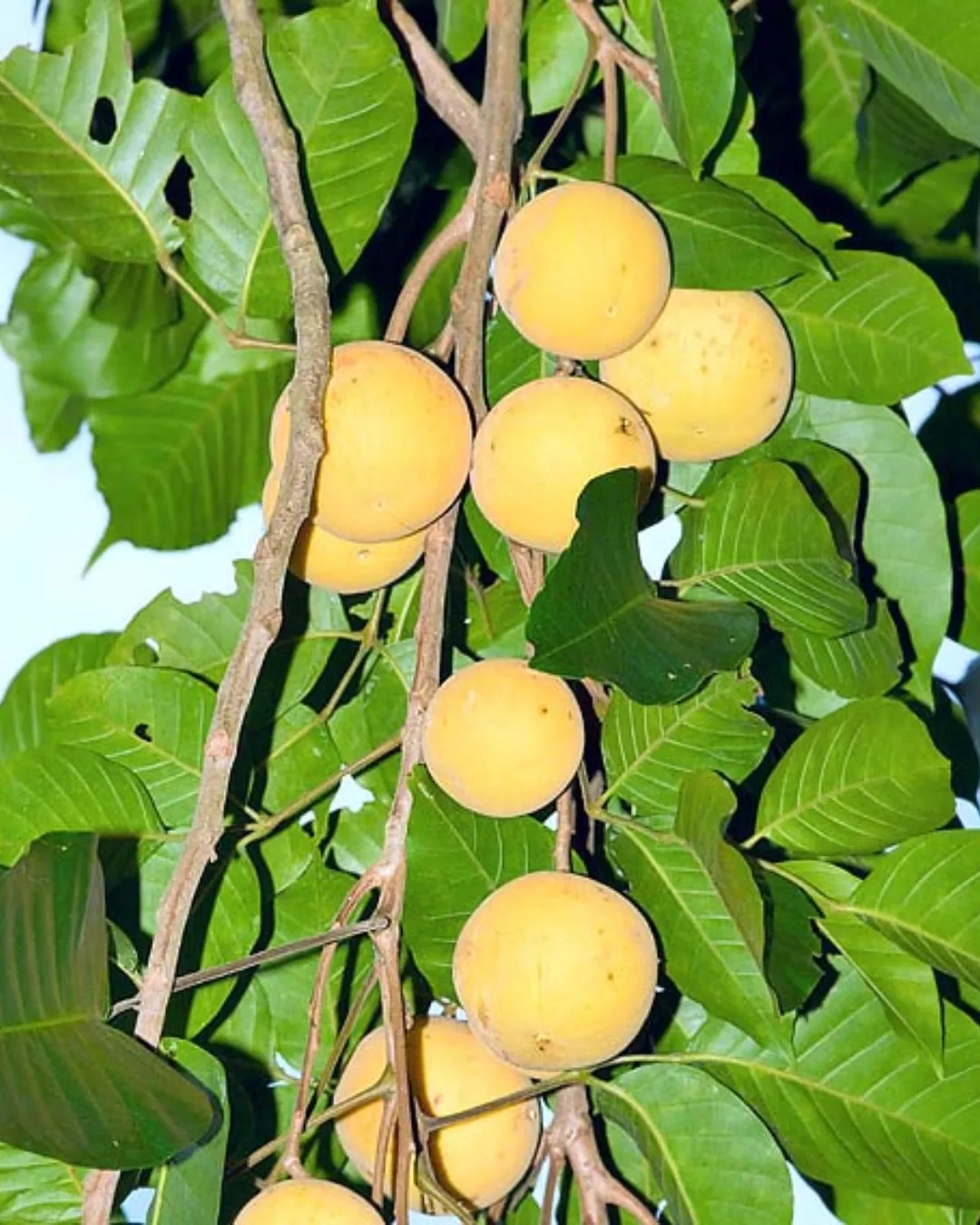
What Is Sandoricum Koetjape?
Sandoricum koetjape is a rare tropical tree prized by collectors of exotic plants. This species grows naturally in the rainforests of Indochina and the Malay Peninsula. Indonesia remains one of its most important native habitats today.
Furthermore, local growers have cultivated this tree for centuries. Its fruit, foliage, and cultural value make it a standout addition to any garden. Consequently, demand for its seeds has grown among collectors outside Southeast Asia.
Additionally, wild populations of this species have become harder to find. Deforestation and habitat loss have made healthy seed stock increasingly rare. This scarcity is exactly why serious collectors search for verified, organic seeds like these.
Moreover, Induare Agro sources every seed directly from trusted growers in Indonesia. Each batch is selected for freshness and viability. This careful sourcing ensures buyers receive seeds ready for successful germination.
Aesthetic Features Sandoricum Koetjape
This tree stands out through its unique combination of leaves, flowers, and fruit. Its appearance changes noticeably through each growth stage. Below is a simple breakdown of its main visual traits.
Leaf Structure Sandoricum Koetjape
The leaves grow in a trifoliate pattern, meaning three leaflets join at a single point. Primarily, the leaves appear glossy and dark green on top. Additionally, the underside carries a slightly lighter, matte tone.
Young leaves often show a reddish tint before turning fully green. This color shift adds visual interest throughout the plant’s growth cycle. Furthermore, mature trees develop a full, rounded canopy that provides excellent shade.
Flower and Fruit Sandoricum Koetjape
The tree produces small, pale yellow flowers that grow in clusters. These flowers carry a mild, pleasant fragrance. Consequently, they attract pollinators such as bees and small insects.
The fruit itself is round, with a fuzzy skin in yellow or soft pink tones. Inside, the flesh is juicy and slightly tangy, similar to a mangosteen. Moreover, the fruit contains a few seeds, which is why fresh seed stock stays limited.
Dormancy Cycle
Like many tropical species, this tree follows a natural dormancy period. During cooler or drier months, growth slows down significantly. Additionally, seeds require specific warmth and moisture to break dormancy successfully.
Collectors should store unplanted seeds in a cool, dry place. This simple step preserves seed viability until planting conditions improve. Consequently, timing matters greatly for successful germination.
Global Seed Delivery & Phytosanitary Certification
Induare Agro takes global shipping seriously for every rare seed order. Every shipment follows strict legal and biosecurity standards. This commitment protects both the buyer and the natural ecosystems these plants come from.
Packaging and Shipping
Each seed is packed using breathable, protective materials to maintain freshness. Furthermore, Induare Agro uses Global Express shipping for fast, reliable delivery. Tracking numbers are provided for every order.
Packaging is designed to survive long international transit times. Additionally, seeds are inspected before shipping to confirm quality. This process reduces the risk of damage or spoilage in transit.
Buyer Peace of Mind
Every order includes an official Phytosanitary Certificate. This document proves the seeds are pest-free and legally approved for international shipping. Consequently, customs clearance becomes far smoother for the buyer.
Induare Agro handles all export paperwork professionally and transparently. Buyers can import these seeds with confidence in most countries. This guarantee is a core part of the promise behind every order.
How to Grow Sandoricum Koetjape
Step 1: Soak the seed in warm water for 24 hours before planting. This step softens the outer seed coat. It also helps speed up germination.
Step 2: Plant the seed in well-draining, organic-rich soil. Bury it about one inch deep. Keep the soil consistently moist but never waterlogged.
Step 3: Place the pot in a warm, humid location with indirect sunlight. Temperatures above 22°C support healthy germination. Avoid cold drafts or sudden temperature drops.
Step 4: Check moisture levels every few days during germination. Additionally, mist the soil surface if it feels dry. Germination can take several weeks, so patience is essential.
Step 5: Once seedlings emerge, gradually introduce them to direct sunlight. Furthermore, transplant young trees into larger pots as they grow. Regular feeding with organic fertilizer supports strong early development.
