What Is Stelechocarpus burahol?
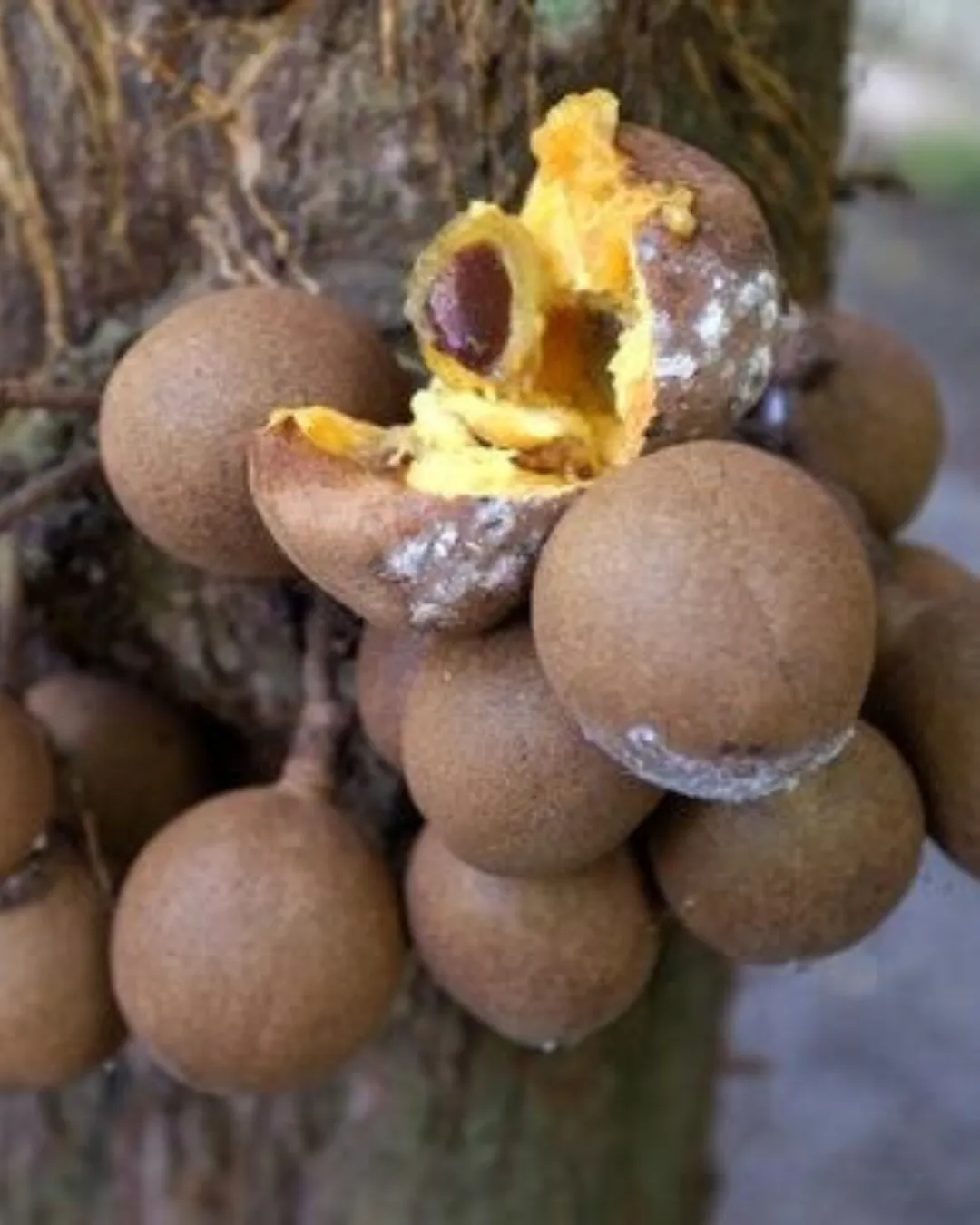
Stelechocarpus burahol is a rare fruit tree native to the island of Java, Indonesia. This tree grows naturally in lowland tropical forests, where humidity stays high year-round. Furthermore, Javanese royal families once planted this species inside a keraton — a traditional royal palace — as a treasured garden plant. People valued the tree for its fruit, which was believed to keep the body smelling pleasant.
Additionally, the tree became a symbol of elegance and royal heritage across Central Java. Today, wild populations have become extremely scarce due to habitat loss and slow natural growth. Consequently, collectors and botanical enthusiasts now consider Stelechocarpus burahol one of the most sought-after rare seeds in the world. Growing this tree connects you directly to Indonesia’s royal botanical history.
Aesthetic Features Stelechocarpus burahol
The genus Stelechocarpus contains only a few species, making this plant genuinely rare in cultivation. Moreover, each part of the tree shows unique features that collectors find fascinating.
Leaf Structure Stelechocarpus Burahol
The leaves grow large, thick, and glossy, with a deep green color. They form a dense, symmetrical canopy that provides excellent shade. Primarily, the leaf shape helps the tree conserve water during dry seasons. Young leaves often appear reddish before turning a mature dark green.
Flower and Fruit Stelechocarpus Burahol
Flowers grow directly on the trunk and older branches, a trait called cauliflory — flowering on woody stems instead of new growth. Furthermore, the fruit forms in dense clusters close to the bark. Each fruit has a thick, brown skin with sweet, aromatic flesh inside. Traditionally, people ate the fruit fresh or used it in Javanese herbal recipes.
Dormancy Cycle
Seeds and young plants often enter a natural dormancy phase, a resting period before active growth begins. Consequently, patience is essential when growing this species from seed. Additionally, warm and humid conditions help shorten this resting period. Once dormancy ends, the seedling develops steadily under proper care.
Global Seed Delivery & Phytosanitary Certification
Induare Agro ships every seed order with full legal compliance. Furthermore, each shipment includes a Phytosanitary Certificate, an official document confirming the seeds are pest-free and safe for import.
Packaging and Shipping
Our team packs each seed carefully to preserve freshness during transit. We use moisture-controlled materials to protect seeds from damage. Moreover, Induare Agro sends every order through trusted global express couriers. This method ensures fast and reliable delivery worldwide.
Buyer Peace of Mind
Every customer receives full documentation for smooth customs clearance. Additionally, Induare Agro provides tracking details for complete shipment transparency. Consequently, buyers can import these rare seeds with confidence and legal safety.
How to Grow Stelechocarpus burahol
Step 1: Soak the seed in warm water for 24 hours before planting. This softens the outer coat and speeds up germination.
Step 2: Plant the seed in well-draining, organic-rich soil. Cover it lightly, about 1–2 cm deep.
Step 3: Keep the soil moist but never waterlogged. Check moisture levels daily during the first few weeks.
Step 4: Place the pot in a warm, humid location with indirect sunlight. Avoid direct afternoon sun, which can stress young seedlings.
Step 5: Furthermore, germination may take several weeks, so patience remains important. Some seeds may enter dormancy before sprouting.
Step 6: Once seedlings appear, move them gradually into brighter light. Continue regular watering as the plant establishes itself.
