What is Amorphophallus annulifer?
Amorphophallus annulifer is one of the rarest aroids native to the island of Java, Indonesia. It grows only in the wet tropical forests of West Java. Consequently, its natural range is extremely small compared to most other species in its genus. Very few collectors outside Indonesia have ever seen this plant in person. Furthermore, it is almost never available through mainstream nurseries or plant traders worldwide. This makes every seed a genuinely rare find.
The species was formally described by botanist Hetterscheid in 1994. Additionally, it is documented in the Royal Botanic Gardens Kew database as a tuberous geophyte — a plant that stores energy in an underground bulb called a corm. It grows in the wet tropical zone, where heat and humidity remain high throughout the year. Furthermore, its habitat in the forests of West Java is under increasing pressure from land conversion. Consequently, wild populations remain small and hard to access.
Induare Agro works directly with local growers in Java to source these seeds responsibly. Moreover, every seed order is fully documented and legally exported. This gives collectors worldwide a rare and verified path to owning one of Java’s most elusive botanical treasures.
Aesthetic Features Amorphophallus annulifer
Amorphophallus annulifer shares the bold visual character typical of its genus. Furthermore, it displays several distinct traits that make it stand out even among other rare aroids.
Leaf Structure Amorphophallus annulifer
The plant produces a single leaf at a time. This leaf sits on top of a tall, upright stalk called a petiole. The petiole is patterned with mottled markings — a mix of pale and dark green tones. Consequently, this gives the plant a striking, eye-catching appearance even before it flowers. The leaf blade itself divides into many small leaflets. Additionally, these leaflets spread outward in a wide, umbrella-like shape. The full leaf display can reach impressive dimensions relative to the size of the underground corm — the rounded bulb from which the plant grows.
Flower and Fruit Amorphophallus annulifer
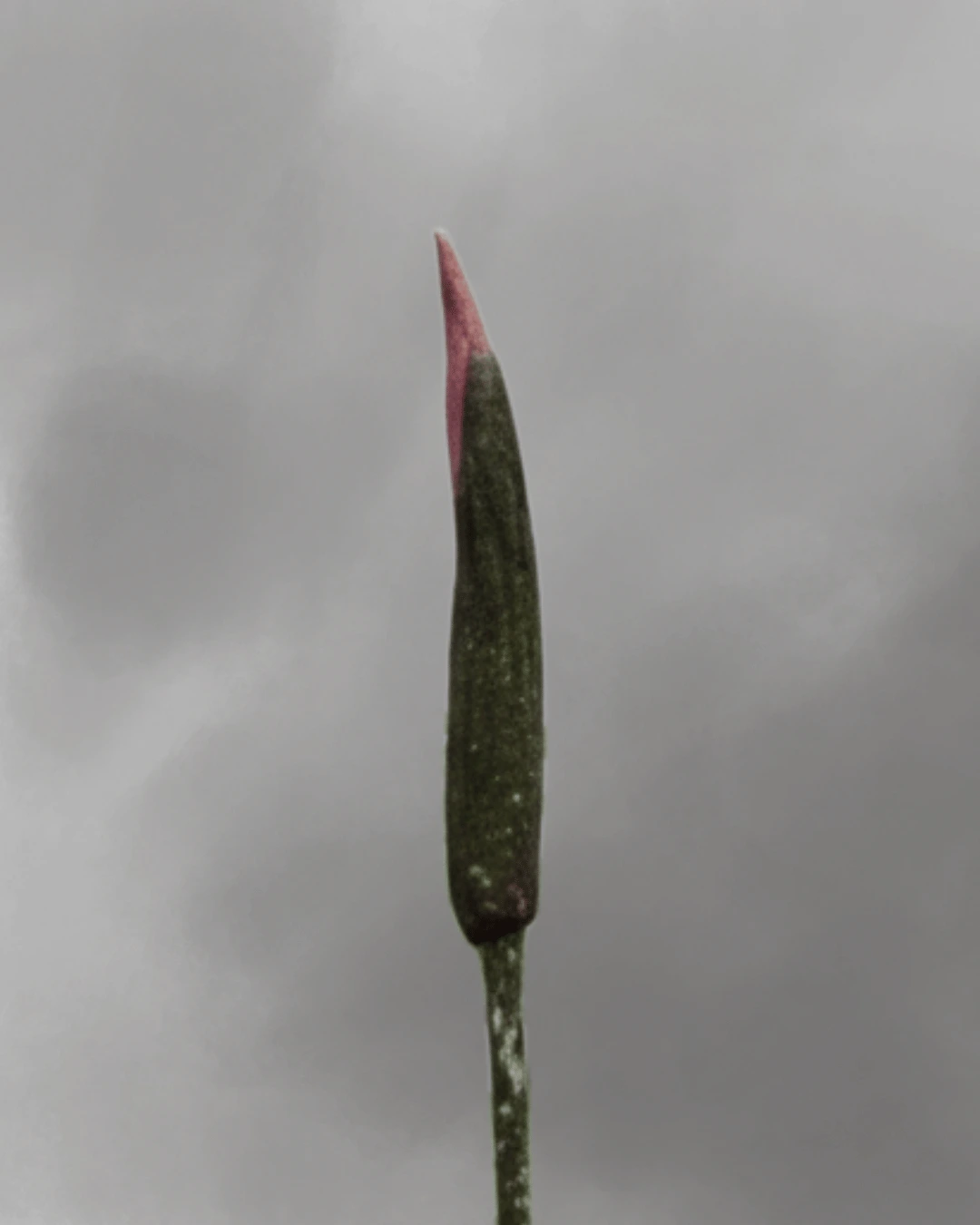
A. annulifer produces a flower structure called an inflorescence. This consists of two main parts: a spathe — a curved, hood-like outer leaf — and a spadix — the upright inner spike. Furthermore, the flower appears before the leaf in each growth cycle. This is a key trait of many Amorphophallus species. The inflorescence releases a strong smell during its short blooming window. Consequently, this smell attracts flies and small beetles, which carry pollen between plants. After successful pollination, the plant forms a cluster of berries. Additionally, each berry holds one seed. The berry display is vivid and colorful, adding further visual interest to an already dramatic plant.
Dormancy Cycle
A. annulifer follows a clear annual rest pattern. The leaf grows, matures over several months, then yellows and collapses. Primarily, this signals the start of the dormancy period — a natural rest phase when the corm stores energy underground. The corm does not die during this time. Furthermore, it will re-sprout on its own when temperatures and moisture levels are right again. Additionally, with each new growth cycle, the corm grows larger. Consequently, each season produces a bigger, more dramatic plant than the one before.
Global Seed Delivery & Phytosanitary Certification
Induare Agro is a professional, export-certified botanical seed supplier based in Indonesia. The company specialises in connecting rare and exotic Indonesian plant species with collectors and botanical institutions worldwide. Furthermore, Induare Agro follows a full legal export process for every single order. This means buyers receive properly documented seeds that meet the import rules of their country.
Packaging and Shipping
Every seed order from Induare Agro includes an official Phytosanitary Certificate. This document is issued by Indonesia’s Plant Health Authority. It confirms that the seeds are pest-free and disease-free. Consequently, it satisfies import requirements in the EU, USA, UK, Australia, Japan, and most other regulated countries. Furthermore, Induare Agro packs all seeds with moisture control materials and cushioned express packaging. This protects seed quality throughout the journey. Shipments go out via Global Express couriers such as DHL and EMS. Additionally, most international orders arrive within 5–14 business days. All export papers — including the Phytosanitary Certificate and commercial invoice — travel with every parcel.
Buyer Peace of Mind
Induare Agro operates with full transparency at every stage. Collectors never need to worry about rejected parcels, missing documents, or legal issues at customs. Furthermore, the team provides after-sales growing guidance for every customer. Primarily, this commitment to service means buyers receive expert support from purchase to first sprout. Every order from Induare Agro is traceable, compliant, and fully above board.
How to Grow Amorphophallus annulifer
Growing Amorphophallus annulifer is a rewarding experience for any collector. Furthermore, growers in tropical, subtropical, and even temperate climates can succeed. The key is to copy the warm, humid conditions of West Java’s forest floor. Follow these steps for the best results:
Step 1 — Seed Preparation Soak the seed in warm water (28–30°C) for 24–48 hours before planting. Additionally, lightly scratch the seed coat with fine sandpaper. This helps water enter the seed and speeds up sprouting.
Step 2 — Growing Medium Mix 50% potting soil, 30% perlite or coarse sand, and 20% compost. Consequently, this blend drains well and holds just enough moisture. It also provides the nutrients the young corm needs to establish itself.
Step 3 — Sowing Plant the seed 2–3 cm deep in a pot with drainage holes at the base. Furthermore, keep the soil evenly moist — damp but never waterlogged — throughout the sprouting stage.
Step 4 — Temperature and Humidity Keep the temperature between 22°C and 32°C at all times. Primarily, high humidity (60–80% RH) is key to fast, healthy sprouting. Place a plastic humidity dome over the pot to hold moisture in.
Step 5 — Light Set the pot in a bright spot with indirect light. Additionally, avoid placing it in direct sunlight. Strong direct sun can scorch the young seedling and damage the developing corm.
Step 6 — Watering Water the plant moderately during the active growing phase. Let the top 2–3 cm of soil dry out slightly between each watering. Furthermore, never allow the pot to sit in standing water. Root rot is the most common reason plants fail at this stage.
Step 7 — Dormancy Care When the leaf turns yellow and falls, reduce watering straight away. Consequently, the corm needs a dry rest period to recover and store energy. Do not throw away the pot — the plant will re-sprout on its own when ready.
Step 8 — Repotting and Feeding Repot at the start of each new growth cycle. Move to a slightly larger pot each time. Additionally, apply a slow-release organic fertiliser (NPK 10-10-10) at the beginning of the season. This supports strong corm development and a larger, healthier leaf display each year.
