What Is Artocarpus elasticus?
Artocarpus elasticus is a majestic, rare tree native to the tropical rainforests of Indonesia and Southeast Asia. It grows naturally across Java, Sumatra, Borneo (Kalimantan), Sulawesi, and the Maluku Islands. Furthermore, its native range extends into Myanmar, Thailand, Malaysia, and the Philippines. The species thrives in primary and mature secondary forests. It grows at elevations from sea level up to 1,500 metres. Consequently, it adapts to a wide range of tropical environments. Locally, people in Indonesia call this tree “Bendo,” “Bendho,” or “Teureup” depending on the region. Additionally, in Malaysia and Borneo it is commonly known as “Terap.”
The species name elasticus comes from the Latin word for “elastic.” This refers directly to the tree’s abundant white latex — a sticky sap the tree produces when its bark is cut. Primarily, this latex has been used for centuries by local communities across Indonesia and Malaysia. Furthermore, the tree provides edible fruit, strong bark fibre for cloth and rope, timber for light construction, and leaves for thatching. Artocarpus elasticus is now quite rare in cultivation. Consequently, acquiring fresh, certified seeds is a genuine opportunity for dedicated plant enthusiasts. Induare Agro is proud to source and supply these exceptional seeds directly from Indonesia for collectors around the world.
Aesthetic Features Artocarpus elasticus
Artocarpus elasticus is visually stunning at every stage of growth. Primarily, its sheer scale and bold leaf architecture set it apart from most cultivated trees. Furthermore, few rainforest species combine such dramatic form with such remarkable utility.
Leaf Structure Artocarpus elasticus
The leaves of Artocarpus elasticus are among its most striking features. They are large, broad, and highly variable in shape. Primarily, young trees produce deeply lobed leaves — leaves that are cut into broad finger-like sections along the edges. Moreover, mature trees carry simpler, more oval-shaped leaves. Individual leaves can measure 13–60 cm in length and 10–35 cm in width. Additionally, the leaf surface has fine, reddish-yellow hairs that give it a soft, tactile quality. The leaf base is rounded and the tip tapers to a point. Furthermore, the leaves are large enough to serve as natural thatch material. Local communities across Borneo have long used them to roof temporary huts and divide interior spaces in longhouses. Consequently, the leaves are both beautiful and deeply practical.
Bark, Latex, and Fibre Artocarpus elasticus
One of the most remarkable features of Artocarpus elasticus is its fibrous bark. The inner bark strips away in large, tough sheets. Additionally, once the bark is beaten with wooden mallets on a smooth surface, it gradually spreads and thins into a pliable, cloth-like material. Primarily, indigenous communities in Borneo, Java, and Sumatra have used this bark cloth for clothing, basket linings, rope, and house walls for centuries. Moreover, during the Japanese colonial period, the Minangkabau people of Sumatra used bark fibre from this very tree to make pants. The tree also produces a thick white latex — a milky sap — when the trunk is scored or wounded. Furthermore, this latex is exceptionally sticky. Consequently, it has been used as a traditional birdlime — a natural adhesive used to catch small birds — and also as a glue for everyday use.
Fruit and Seeds
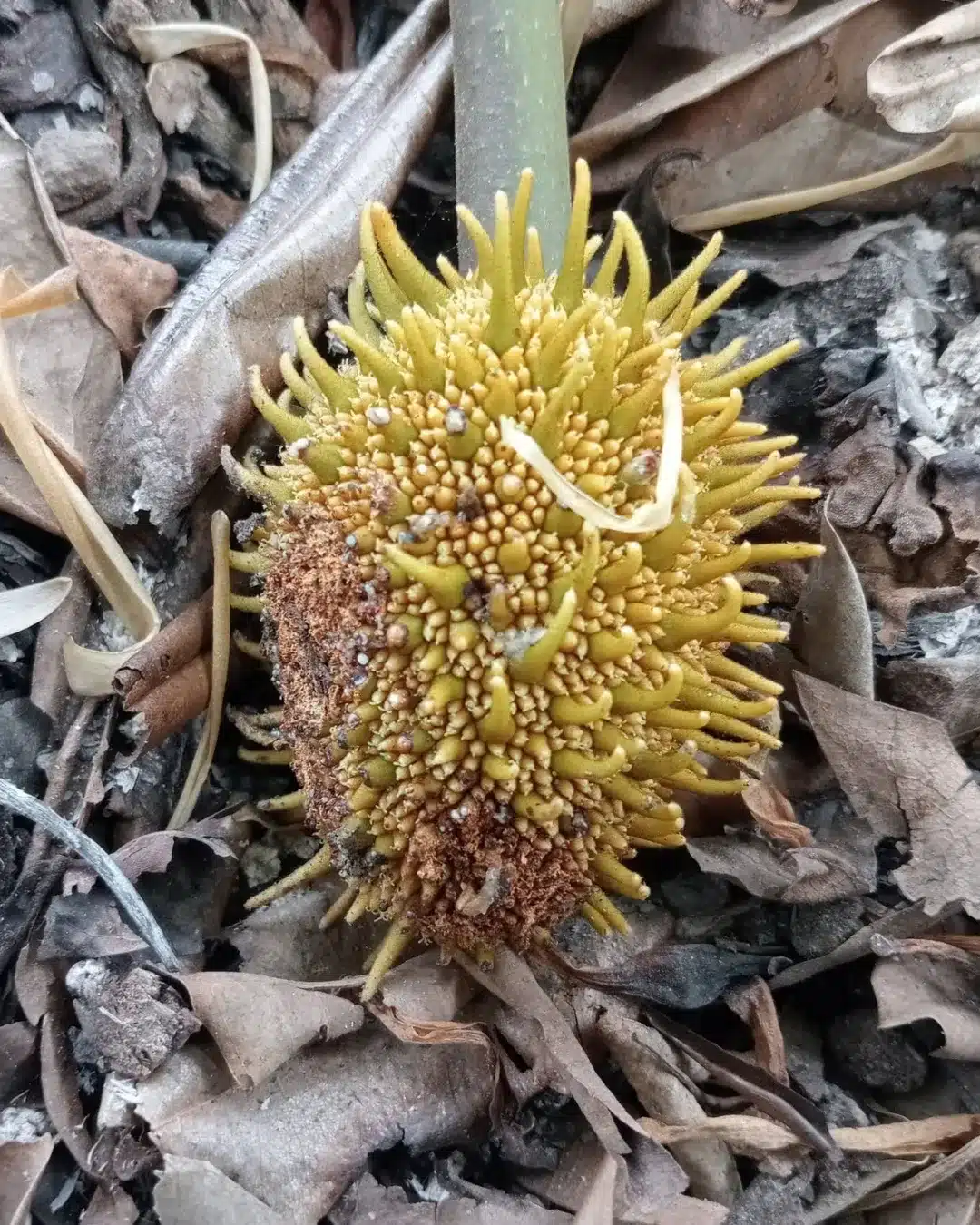
The fruit of Artocarpus elasticus is a syncarp — a compound fruit made up of many small fruits fused together, similar in structure to a jackfruit or breadfruit. The fruit is globose — round in shape — and covered in small spines of two different lengths. Additionally, unripe fruits are green, turning yellow-green as they mature. The outer skin is tough and spiny. Furthermore, inside the fruit, seeds sit embedded in whitish flesh. The ripe flesh is edible, though it has a strong odour that is typical of several Artocarpus species. Primarily, the seeds are highly nutritious — research confirms they have a high carbohydrate content. Moreover, roasted seeds are a traditional food source in both Indonesia and Malaysia. The seeds extracted from Bendo have also historically been used to produce hair oil in parts of Java.
Global Seed Delivery & Phytosanitary Certification
Induare Agro ships rare Indonesian plant seeds to buyers in every corner of the globe. Furthermore, every shipment complies fully with international plant export and import regulations. Primarily, our goal is to make rare Indonesian flora accessible to serious collectors worldwide — safely, legally, and reliably.
Packaging and Shipping
Induare Agro prepares every seed order with professional care. Each seed is packed using protective materials that preserve viability and freshness during long international transit. Additionally, all orders ship via Global Express courier services. Consequently, you receive fast, trackable delivery from Indonesia to your door. Moreover, seeds are dispatched fresh at the time of order. This ensures maximum germination potential when the seed reaches you. Furthermore, all required export documents are prepared and included with every shipment.
Buyer Peace of Mind
Every order from Induare Agro includes an official Phytosanitary Certificate. This is a government-issued document — an internationally recognized health certificate — confirming that the seeds are free from pests and diseases. Primarily, this certificate allows legal import into most countries around the world. Additionally, it protects buyers from customs delays, confiscations, and legal complications at the border. Moreover, Induare Agro works directly with Indonesian agricultural authorities to issue all certificates correctly and promptly. Consequently, you can order with complete confidence. Furthermore, our team is available to answer any questions about import documentation requirements in your specific country.
How to Grow Artocarpus elasticus
Growing Artocarpus elasticus from seed is a rewarding experience. Follow these steps carefully for the best results.
Step 1 — Prepare Fresh Seeds Sow seeds as soon as possible after receiving them. Furthermore, fresh Artocarpus seeds have a short viability window, so prompt sowing is important.
Step 2 — Choose Your Growing Medium Use a light, well-draining mix of rich potting soil and coarse sand or perlite. Additionally, ensure your container has drainage holes to prevent waterlogging.
Step 3 — Sow at the Correct Depth Place each seed just beneath the soil surface — approximately 1–2 cm deep. Primarily, avoid planting too deep, as this can prevent germination.
Step 4 — Provide Warmth and Moisture Maintain a warm temperature between 24°C and 30°C (75°F–86°F). Moreover, keep the growing medium consistently moist but never waterlogged.
Step 5 — Provide Shade for Seedlings Place seedlings in bright, filtered light. Consequently, protect them from direct midday sun during early growth stages.
Step 6 — Transplant Outdoors in Warm Climates Once the seedling reaches 30–50 cm tall, transplant it to a larger container or a permanent outdoor position. Furthermore, this species thrives in full sun once established.
Step 7 — Fertilize During the Growing Season Apply a balanced organic fertilizer every four to six weeks during active growth. Additionally, reduce feeding during cooler or drier periods.


