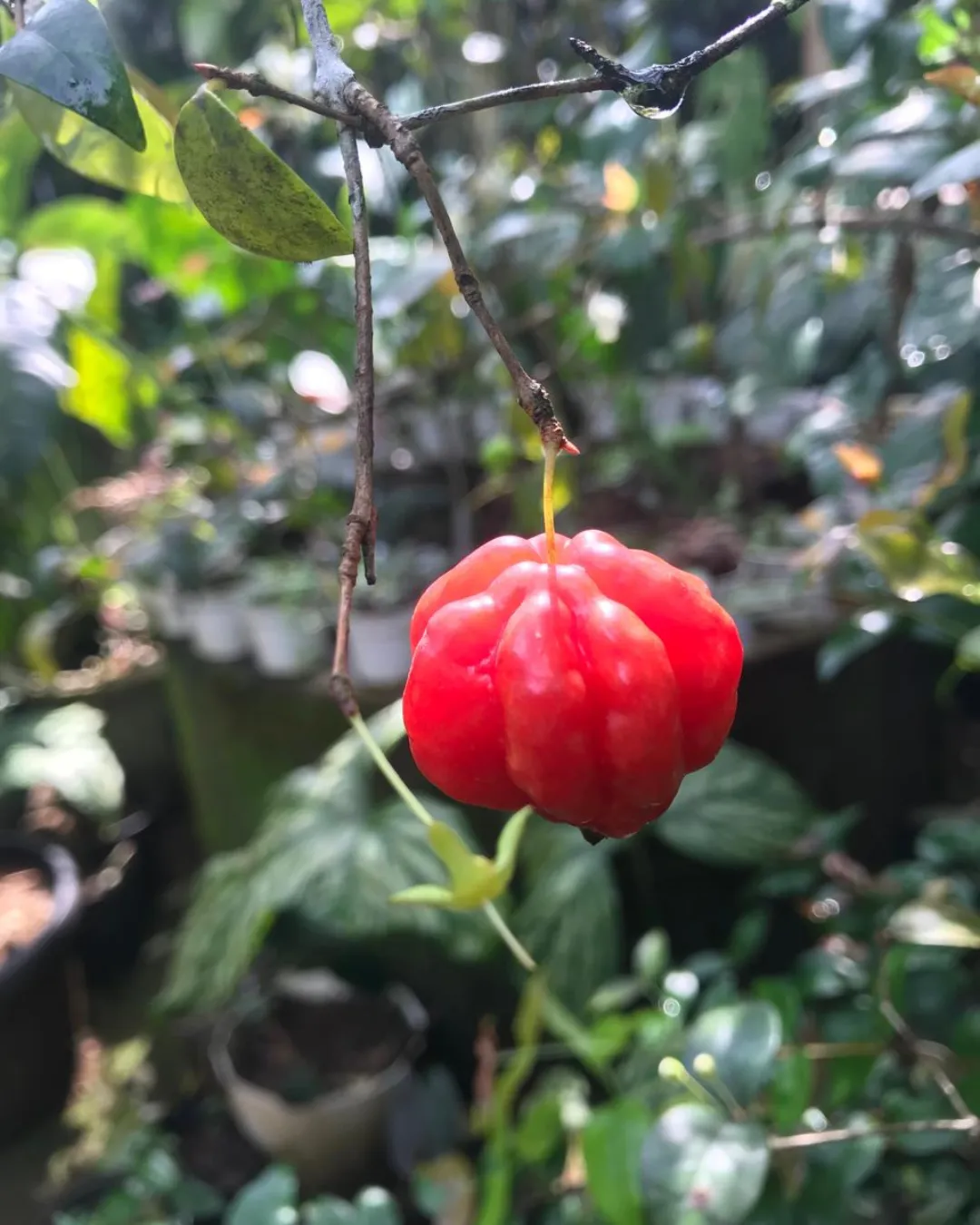
What Is Eugenia uniflora?
Eugenia uniflora is a small, fast-growing fruiting tree known in Indonesia as Dewandaru. Furthermore, it belongs to the Myrtaceae family — the same family as guava and clove. The species is native to the eastern coast of South America. Its natural range runs from Suriname and French Guiana through Brazil to Uruguay. Consequently, it has been grown and loved across the tropics for generations.
This tree earns its popularity through genuine usefulness. Additionally, it grows quickly, fruits within its first few years, and asks very little from the grower in return. Primarily, it is one of the easiest fruiting trees available for home gardens, courtyards, and ornamental hedges. Furthermore, the bright red, ribbed cherries are rich in vitamin C and have long been valued for both fresh eating and traditional remedies. Induare Agro offers fresh Dewandaru seeds, fully documented for legal export. This gives growers everywhere an easy and reliable entry point into edible, ornamental tropical fruiting.
Aesthetic Features Eugenia uniflora
Eugenia uniflora is a small tree or large shrub with a naturally tidy, upright form. It typically grows to 3–7 metres tall. Furthermore, the branches are slender and free of thorns. They release a light, resinous scent when cut or brushed against. Consequently, this makes the plant pleasant to prune and shape — one reason it is so popular as a hedge or screen.
Leaves Eugenia uniflora
The leaves of E. uniflora are smooth, shiny, and aromatic. They are a deep, glossy green once mature. Additionally, young new leaves emerge bright red or copper-toned before turning green. This colour contrast gives the foliage a constantly changing, decorative quality. Furthermore, the leaves are small and grow densely along the branches. This density makes the plant easy to trim into a neat hedge shape.
Flowers and Fruit Eugenia uniflora
The flowers are small, white, and fragrant. They bloom heavily at the end of spring, with occasional flowering through the rest of the year. Furthermore, the fruit develops and ripens in as little as three weeks after flowering. The fruit is deeply ribbed — usually with eight visible grooves — and round in shape. Consequently, it has earned the nickname “pitanga,” a name used widely in Brazil. The fruit changes colour as it ripens, moving through green, orange, and scarlet before reaching a deep maroon-red. Primarily, the flesh is sweet with a pleasant tartness, and it encloses a single, fairly large seed. Additionally, the fruit is unusually high in vitamin C, making it valued both as a fresh snack and as an ingredient in jams and juices.
Growth Habit
Eugenia uniflora is evergreen, keeping its leaves year-round in suitable climates. Furthermore, it grows at a fast to moderate pace and tolerates regular pruning extremely well. This makes it equally suited to a clipped formal hedge or a more relaxed fruiting tree left to grow naturally. Additionally, the plant is notably pest-resistant and adapts to a wide range of soil types. Consequently, it remains one of the most forgiving fruiting trees available to home growers.
Global Seed Delivery & Phytosanitary Certification
Induare Agro is a professional botanical seed exporter based in Indonesia. The company connects growers and collectors worldwide with high-quality Indonesian plant seeds. Furthermore, Induare Agro ships to customers in more than 50 countries, supporting both home gardeners and serious plant collectors. Every order follows a fully documented, compliant export process.
Packaging and Shipping
Induare Agro packs every seed with professional moisture-control materials. Cushioned express packaging protects the seeds throughout the full delivery journey. Shipments go out via Global Express couriers such as DHL and FedEx. Additionally, most international orders arrive within 5–14 business days. Furthermore, every parcel includes an official Phytosanitary Certificate. This document is issued by Indonesia’s Plant Health Authority. It confirms that the seeds are free from pests, disease, and regulated plant pathogens. Consequently, it meets the import requirements of customs authorities in the EU, USA, UK, Australia, Japan, and most other regulated markets worldwide.
Important note for growers in Australia, Florida, and similar regions: Eugenia uniflora is classified as an environmental weed or invasive species in some areas, including parts of Australia and Florida. Always check local biosecurity and planting regulations before importing or planting this species in your region.
Buyer Peace of Mind
Induare Agro puts documentation and compliance first. Every shipment includes the Phytosanitary Certificate and a commercial invoice. Furthermore, this complete paperwork ensures smooth, fast customs clearance at every destination. Additionally, the Induare Agro team provides after-sales growing guidance for every buyer. Primarily, the goal is to help every grower succeed, from the very first seed to the first harvest of cherries.
How to Grow Eugenia uniflora
Eugenia uniflora is widely considered the easiest edible Eugenia to grow. Furthermore, it suits beginners and experienced growers alike. The plant adapts to a wide range of climates, soils, and care levels. Follow these steps for the best results.
Step 1 — Seed Preparation Clean the seed thoroughly to remove any remaining fruit pulp. Additionally, plant the seed fresh, as Dewandaru seeds germinate best soon after harvest.
Step 2 — Growing Medium Use a well-draining, fertile mix: 50% potting soil, 30% compost, and 20% coarse sand or perlite. Consequently, this combination supports strong early root growth while preventing waterlogging.
Step 3 — Sowing Plant the seed about 1–2 cm deep in a pot with drainage holes. Furthermore, keep the soil consistently moist throughout the germination period, which typically takes 3 to 6 weeks.
Step 4 — Temperature Maintain a warm temperature between 20°C and 30°C for the best germination results. Primarily, consistent warmth speeds up sprouting and supports healthy early seedling growth.
Step 5 — Light Place the pot in full sun to partial shade. Additionally, established plants tolerate strong sunlight extremely well. Young seedlings benefit from slightly filtered light during their first few weeks.
Step 6 — Watering Water regularly while the seedling is establishing itself. Furthermore, once mature, the plant becomes notably drought-tolerant and needs only occasional watering. Avoid letting the pot sit in standing water.
Step 7 — Transplanting and Pruning Move the seedling to a larger pot or garden bed once it reaches 20–30 cm tall. Consequently, this gives the root system room to expand and supports faster growth. Prune regularly if growing as a hedge, since the plant responds extremely well to shaping.
Step 8 — Feeding Apply a balanced organic fertiliser (NPK 10-10-10) every 6–8 weeks during the growing season. Additionally, this tree fruits quickly, often within its first 2 to 3 years from seed, and rewards light feeding with a generous, repeated harvest of cherries.
© Content produced for Induare Agro — Indonesia’s professional rare seed exporter.
