What Is Amorphophallus hewittii?
Amorphophallus hewittii is a geophytic aroid — a plant that grows from an underground tuber — belonging to the family Araceae. It originates from the tropical rainforests of Sarawak, Malaysian Borneo. Additionally, it is recognised as the closest known relative of Amorphophallus titanum, the world-famous corpse flower. This makes Amorphophallus hewittii one of the most scientifically significant and botanically rare plants in existence.
The species was first formally described by Van Alderwelt in 1920. Consequently, it has remained a highly elusive plant in cultivation for over a century. It grows in dense, humid lowland rainforests with rich, well-drained soils and filtered light. Moreover, its naturally restricted range in Borneo means wild populations are limited. This extreme rarity drives exceptional global demand among collectors, botanical gardens, and research institutions.
Amorphophallus hewittii produces one of the largest inflorescences — flowering structures — of any plant in its genus. Furthermore, mature plants can grow taller than three metres. Primarily, it is sought by high-end collectors for its alien-like appearance, impressive scale, and the extraordinary prestige of growing such a scientifically important species.
Induare Agro offers fresh, export-quality seeds sourced with care and professionalism. Additionally, every order ships with full legal documentation. This is your opportunity to own a piece of botanical history.
Aesthetic Features Amorphophallus hewittii
Amorphophallus hewittii has a visual presence unlike almost any other plant. Its sheer scale, dramatic colouring, and unusual growth habit make it an unforgettable addition to any serious collection. Moreover, every part of the plant — from its patterned stalk to its enormous flower — commands attention.
Leaf Structure
The plant produces a single, large umbrella-shaped leaf on a very tall stalk. This stalk — called a petiole — can reach up to three metres in height in tropical conditions. Furthermore, the petiole is beautifully marked with blotches of pink and various shades of green, giving it a striking, decorative appearance. Additionally, some specimens display maroon and grey patterning, making each plant visually unique. The leaf itself fans out broadly at the top, creating a dramatic tropical canopy effect.
Flower and Fruit
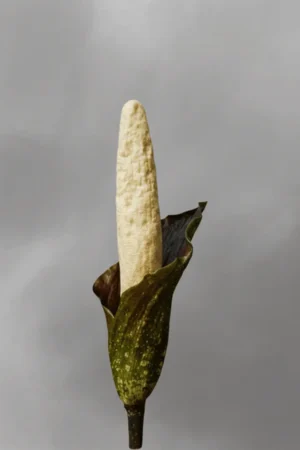
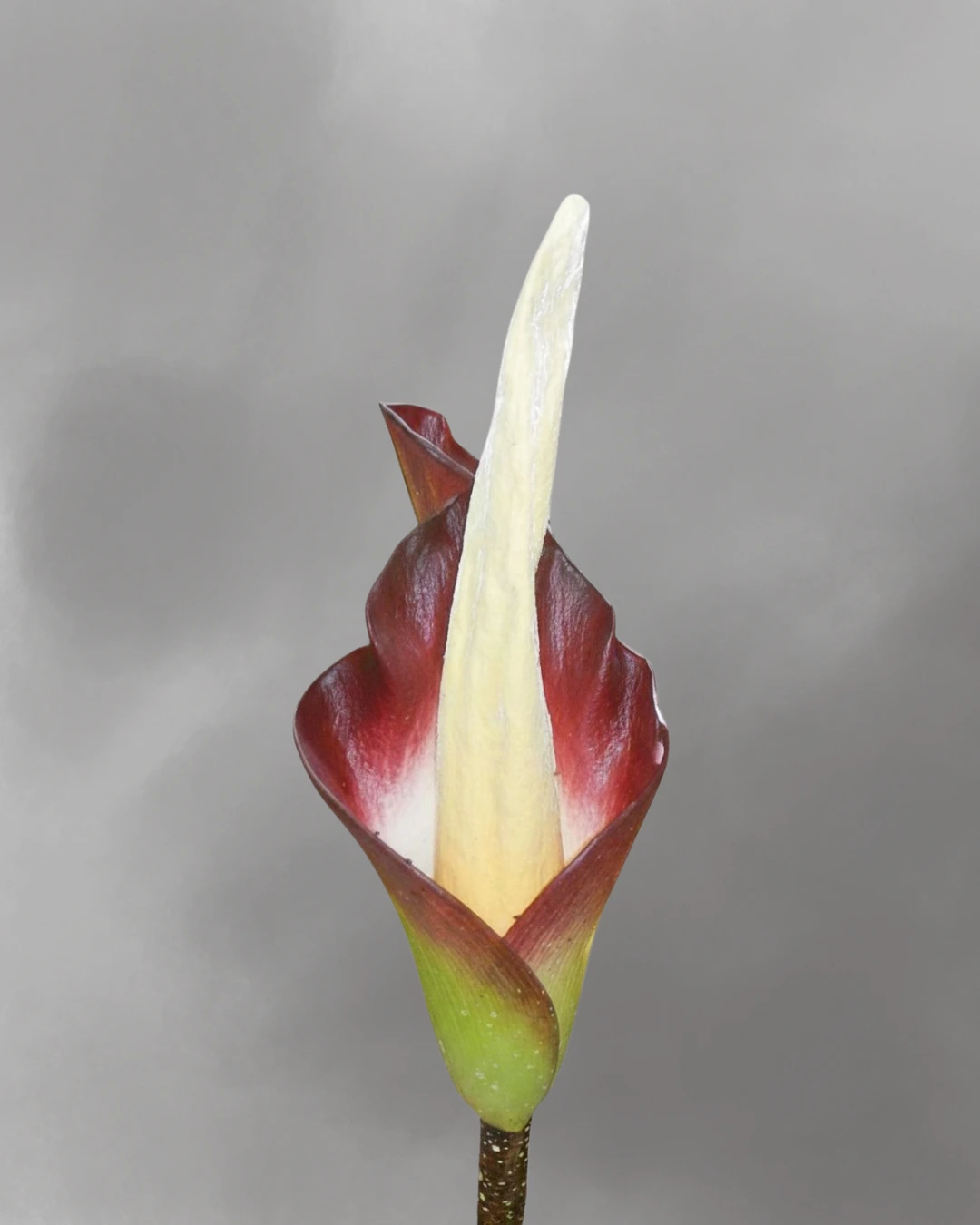
The flower of Amorphophallus hewittii is truly spectacular. It produces a large spathe — a hood-like outer leaf — that reaches approximately one metre in height and is green on the outside. Primarily, the inner surface of the spathe is deep red to purplish in colour. Rising from the centre is the spadix — a tall, fleshy flower spike — which can reach 1.5 metres in height and carries a lavender to pinkish-purple hue.
Moreover, the entire flowering structure can stand up to six to eight feet tall in mature specimens. The inflorescence emits a strong scent that attracts natural pollinators such as flies and beetles. Consequently, successful pollination produces bright red berries that contain viable seeds. Additionally, flowering typically occurs once every few years, which makes each seed crop extremely limited and highly valuable.
Dormancy Cycle
Amorphophallus hewittii follows a clear and predictable dormancy cycle. Primarily, after the leaf dies back at the end of the growing season, the plant enters a rest period underground. During this time, the underground tuber — also called a corm — grows larger and stores energy. Furthermore, each new growing season begins with fresh leaf growth. Consequently, the plant steadily increases in size over multiple seasons before eventually flowering. Additionally, this cyclical growth pattern means patience is rewarded with an increasingly impressive specimen each year.
Global Seed Delivery & Phytosanitary Certification
Induare Agro is a trusted supplier of rare exotic seeds from Indonesia. We ship to collectors and botanical institutions worldwide. Furthermore, we meet all international plant export regulations. Consequently, every seed we send arrives legally, safely, and in the best possible condition.
Packaging and Shipping
We use professional-grade materials to package every seed order. Moreover, seeds are carefully prepared to maintain viability during long-distance transit. We ship via Global Express courier services for fast and reliable delivery. Additionally, tracking information is provided with every order. Consequently, you can monitor your shipment from Indonesia directly to your door. Primarily, our goal is to ensure your seeds arrive fresh, intact, and ready for planting.
Buyer Peace of Mind
Every order from Induare Agro includes a valid Phytosanitary Certificate. This is an official government-issued plant health document. Consequently, it confirms that your seeds have been professionally inspected and meet the biosecurity requirements of your destination country. Furthermore, this certificate protects you from customs delays and legal complications. Additionally, all our products meet export-quality standards. Primarily, we believe every collector deserves a stress-free buying experience. Moreover, our team is available to answer questions about import requirements for your specific country.
How to Grow Amorphophallus hewittii
Growing Amorphophallus hewittii is a rewarding experience for patient collectors. Follow these steps to give your seed the best possible start.
Step 1 – Prepare the Growing Medium Use a well-draining mix of coconut coir, perlite, and organic compost. Additionally, ensure the pot has drainage holes to prevent waterlogging, which can rot the seed.
Step 2 – Sow the Seed Plant the seed about 2–3 cm deep in the prepared medium. Moreover, keep the surface lightly moist but never waterlogged. Consequently, germination typically occurs within two to six weeks in warm conditions.
Step 3 – Provide Warmth and Humidity Maintain a temperature between 25°C and 32°C (77°F–90°F) for best results. Furthermore, high humidity above 70% closely replicates the plant’s native Borneo rainforest environment.
Step 4 – Choose the Right Light Place the seedling in bright, indirect light. Primarily, avoid direct midday sun, which can scorch the young leaves. Additionally, dappled shade works well in outdoor tropical settings.
Step 5 – Fertilise Regularly Apply a balanced liquid fertiliser every two to four weeks during the active growing season. Moreover, a fertiliser higher in potassium supports strong tuber development. Consequently, a well-fed plant will grow faster and reach flowering size sooner.
Step 6 – Manage the Dormancy Period When the leaf begins to yellow and die back, reduce watering gradually. Furthermore, allow the tuber to rest in slightly dry soil for two to three months. Additionally, do not discard the pot — the tuber is simply resting underground and will re-sprout in the next season.