
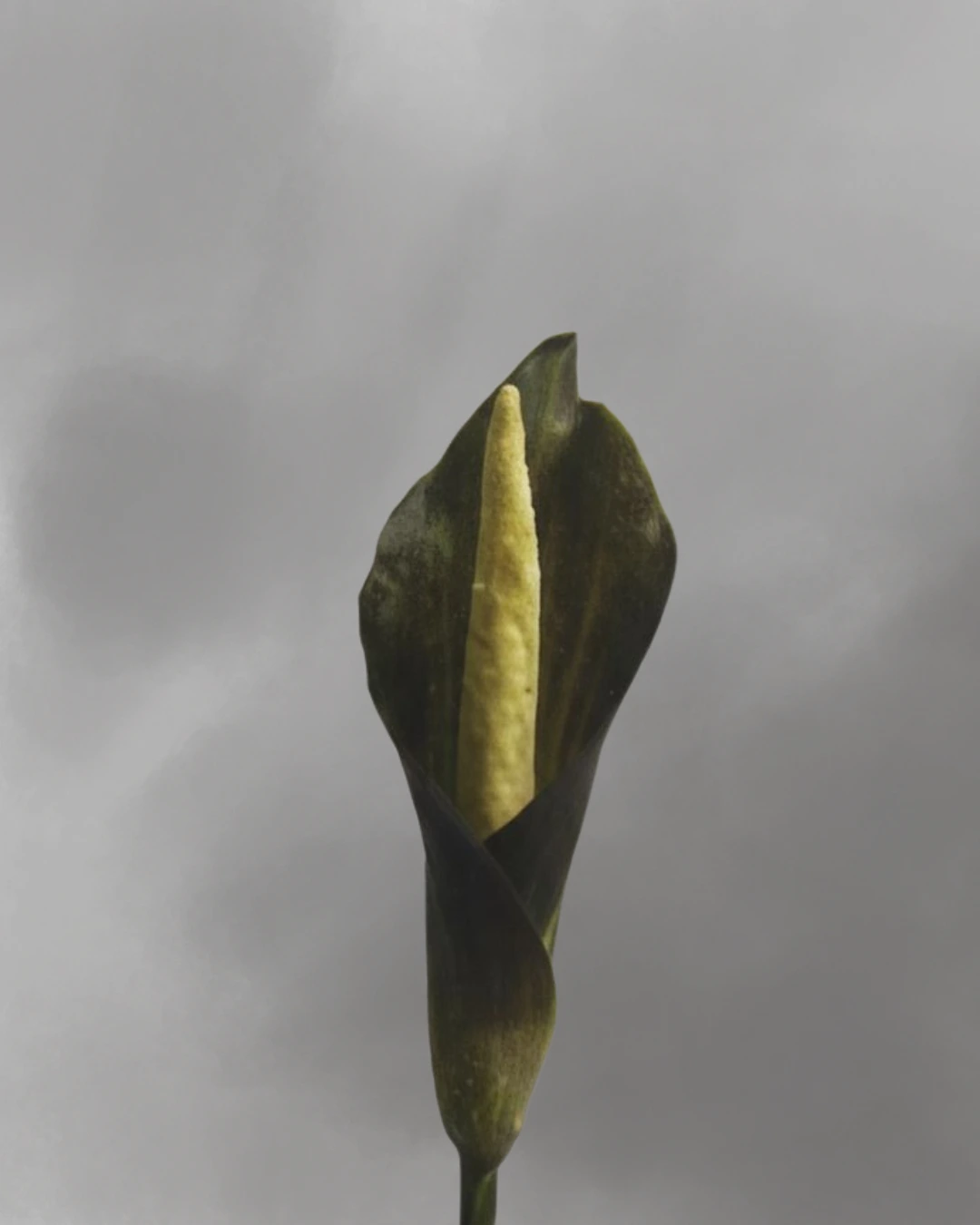
What Is Amorphophallus sagittarius?
Amorphophallus sagittarius is a rare and remarkable plant. It belongs to the Araceae family — a group commonly known as aroids. This species is native to West Java, Indonesia. It grows in the shaded, humid forest floors of tropical lowland areas. Consequently, it thrives in warm, moist environments with filtered light.
Very few nurseries in the world offer this species. Furthermore, wild populations are limited in range. This makes Amorphophallus sagittarius one of the most sought-after plants among aroid collectors globally. Additionally, it was first formally described by the Dutch botanist Steenis in 1953. Its name has been recorded in the Acta Botanica Neerlandica, a respected scientific journal. Primarily, collectors value it for its rarity, its visual drama, and its connection to Indonesia’s rich botanical heritage.
Indonesia is home to one of the most diverse Amorphophallus populations on Earth. The Indonesian Institute of Sciences has published dedicated references on the genus, recognising its global botanical importance. Moreover, Amorphophallus sagittarius stands out even within this rich genus. It produces a unique inflorescence — a flower structure — that sets it apart from other species. This is not a plant you will find at a garden centre. It is a collector’s specimen of the highest order.
Induare Agro sources these seeds directly from their region of origin. Furthermore, every seed is harvested fresh and prepared with export-grade care.
Aesthetic Features Amorphophallus sagittarius
The physical appearance of Amorphophallus sagittarius is truly one-of-a-kind. Like all members of the Amorphophallus genus, it grows from an underground corm — a rounded, bulb-like storage organ. From this single corm, the entire plant emerges each growing season. Additionally, the plant follows a dramatic seasonal rhythm, growing boldly and then retreating completely underground.
Leaf Structure
Amorphophallus sagittarius produces a single, large compound leaf each season. This leaf rises on a tall, upright stalk. The stalk is often mottled — spotted and patterned — in shades of green and grey. Consequently, the stem itself is decorative even before the leaf fully opens.
The leaf blade is broad and deeply divided into multiple segments. Furthermore, each segment has a clean, defined edge. The overall shape is architectural and dramatic. Additionally, the leaf can reach a substantial height, making the plant a commanding presence in any collection. The plant’s common name “sagittarius” — meaning arrow-like — reflects the distinctive pointed form of its leaf segments.
Flower and Fruit
Like all aroids, Amorphophallus sagittarius produces a unique flower structure. It consists of two parts: the spathe and the spadix. The spathe is a large, hood-like outer leaf that wraps around the flower. The spadix is the central spike inside, which carries the tiny male and female flowers.
The inflorescence — the full flower structure — of this species is notably unusual, even within the genus. Furthermore, the spathe can display rich, deep coloration. The flowering event is brief but spectacular. Moreover, it typically occurs before the main leaf emerges for the season. Consequently, witnessing the bloom is a rare and exciting event for any collector.
After successful pollination, the plant may produce rounded, berry-like fruits. These fruits can vary in colour by species. Additionally, the seeds within are the start of the next generation of this extraordinary plant.
Dormancy Cycle
Amorphophallus sagittarius follows a clear and predictable growth cycle. After the leaf completes its season, it yellows and dies back. The plant then enters full dormancy — a resting phase underground. During this time, there is no visible above-ground growth. Primarily, the corm is storing energy for the next season.
This dormancy phase can last several months. Furthermore, it is essential for the plant’s long-term health. Consequently, growers must resist the urge to over-water during this period. The corm can rot if kept too wet while dormant. Additionally, the dormancy cycle makes this plant relatively easy to store and ship safely. Induare Agro takes full advantage of this biological window to ensure seeds and plant material arrive in perfect condition.
Global Seed Delivery & Phytosanitary Certification
Induare Agro is a professional plant and seed exporter based in Indonesia. We ship rare and exotic botanical specimens to collectors, researchers, and enthusiasts worldwide. Furthermore, we comply fully with international plant trade regulations. Every shipment reflects our commitment to quality, legality, and buyer satisfaction.
Packaging and Shipping
Every seed of Amorphophallus sagittarius is carefully prepared before dispatch. We clean, inspect, and pack each seed individually. Consequently, you receive seeds that are fresh, viable, and ready to plant.
We ship via Global Express courier services. This means your order arrives quickly and safely. Furthermore, we use protective, moisture-controlled packaging. Additionally, we include all necessary documentation inside every parcel. We track every shipment from our facility in Indonesia to your door. Moreover, our team notifies buyers at each key stage of the shipping journey.
Buyer Peace of Mind
Every order from Induare Agro includes a Phytosanitary Certificate. This is an official document issued by Indonesia’s plant health authority. It confirms that your seeds are free from pests and diseases. Furthermore, it certifies that the seeds meet the import requirements of your country.
A Phytosanitary Certificate is essential for legal plant importation in most countries. Consequently, our buyers face no issues at customs. Additionally, it protects the biosecurity of your local environment. This level of documentation is not standard with every seed seller. Furthermore, it demonstrates the professionalism and integrity of Induare Agro. Moreover, it gives you total confidence that your purchase is legal, safe, and export-quality.
How to Grow Amorphophallus sagittarius
Growing Amorphophallus sagittarius from seed is a rewarding experience. Follow these steps carefully for the best results.
Step 1 — Prepare Your Growing Medium Use a loose, well-draining mix. Combine equal parts coco peat, coarse sand, and organic compost. Good drainage is essential, as the corm is sensitive to waterlogging.
Step 2 — Sow the Seed Plant the seed at a shallow depth of about 2–3 cm below the soil surface. Place the pot in a warm location with indirect light. Temperatures between 25–30°C are ideal for germination.
Step 3 — Water Gently Keep the growing medium lightly moist, but never waterlogged. Water sparingly until the first shoot appears above the soil. Overwatering before germination is the most common cause of seed failure.
Step 4 — Provide Filtered Light Once the shoot emerges, move the plant to a spot with bright, filtered light. Avoid direct midday sun. Furthermore, maintain high humidity around the plant for best growth.
Step 5 — Feed Regularly During Growth Apply a balanced liquid fertiliser every two weeks during the active growing season. Use a formula with moderate phosphorus and higher potassium. Additionally, reduce feeding as the leaf begins to yellow at the end of the season.
Step 6 — Allow Full Dormancy When the leaf dies back, stop watering completely. Allow the corm to rest in dry, warm conditions. Consequently, do not disturb the corm during dormancy. Resume watering only when new growth appears in the next season.
Step 7 — Repot as Needed Repot the plant only when it is fully dormant. Move it to a slightly larger container each season. Furthermore, check the corm for any signs of rot during repotting and remove affected areas cleanly.
