What Is Amorphophallus decus silvae?
Amorphophallus decus silvae is a rare tropical aroid native to West Java, Indonesia. It grows exclusively in the wet rainforests of this region. This makes it one of the most geographically restricted rare plants in Indonesia. Collectors around the world seek it for its giant size and dramatic appearance.
The species belongs to the family Araceae and is a close relative of the famous Amorphophallus titanum — the “corpse flower.” Additionally, it is closely related to Amorphophallus gigas, another Indonesian giant. Both species produce extraordinarily tall inflorescences — the flowering structures — on top of long stalks. Consequently, Amorphophallus decus silvae is considered one of the largest aroids on Earth.
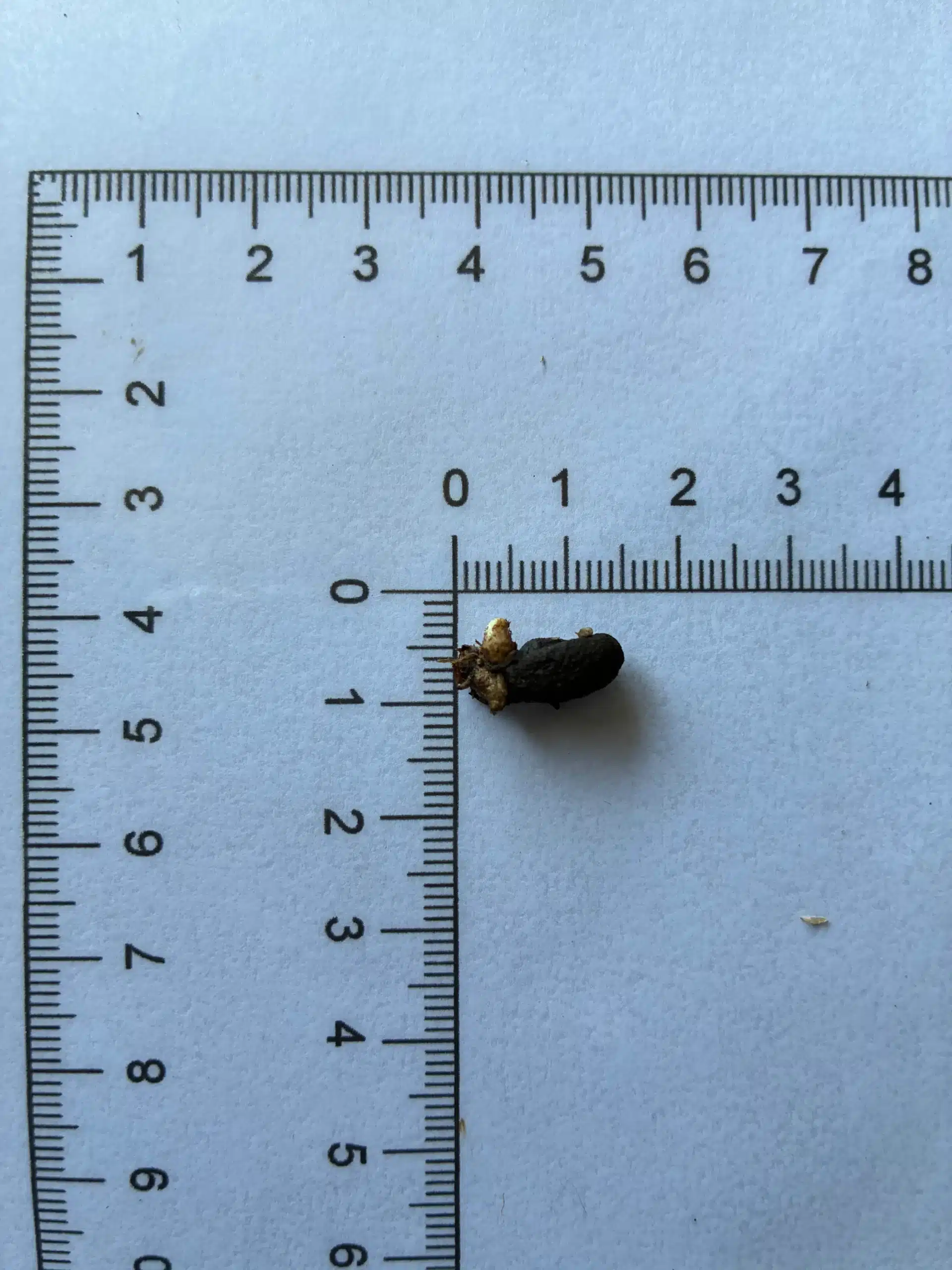
The plant is a tuberous geophyte. This means it grows from a large underground storage organ called a corm — similar to a bulb or tuber. Mature corms can weigh more than 20 kg and reach 40 cm in diameter. Furthermore, the species is threatened in the wild due to habitat loss from logging. This makes each seed extremely valuable. Collectors, botanical gardens, and rare plant enthusiasts around the world now treasure seeds and plants of this species.
Induare Agro sources these rare exotic seeds directly from West Java. We supply them with full export documentation and organic quality standards. Moreover, we are proud to offer this Indonesian plant to buyers worldwide.
Aesthetic Features Amorphophallus decus silvae
Amorphophallus is a genus of roughly 200 tropical plants. Amorphophallus decus silvae stands out even within this remarkable group. Its physical appearance is truly extraordinary. Below are the key features that make it a prized exotic plant.
Leaf Structure Amorphophallus decus silvae
The plant produces a single, enormous leaf. The leaf sits on top of a petiole — a long stalk — that can grow up to 3.5 metres tall. Furthermore, the petiole is strikingly speckled with patches of brown, green, and white. This mottled pattern gives it a dramatic, reptile-like appearance. The umbrella-shaped leaf blade can spread 3 to 4 metres wide. Additionally, the petiole itself can reach 20 cm in diameter at its base. Primarily, this leaf structure is what first catches a collector’s eye. It is bold, unusual, and immediately recognisable as a rare plant.
Flower and Fruit Amorphophallus decus silvae
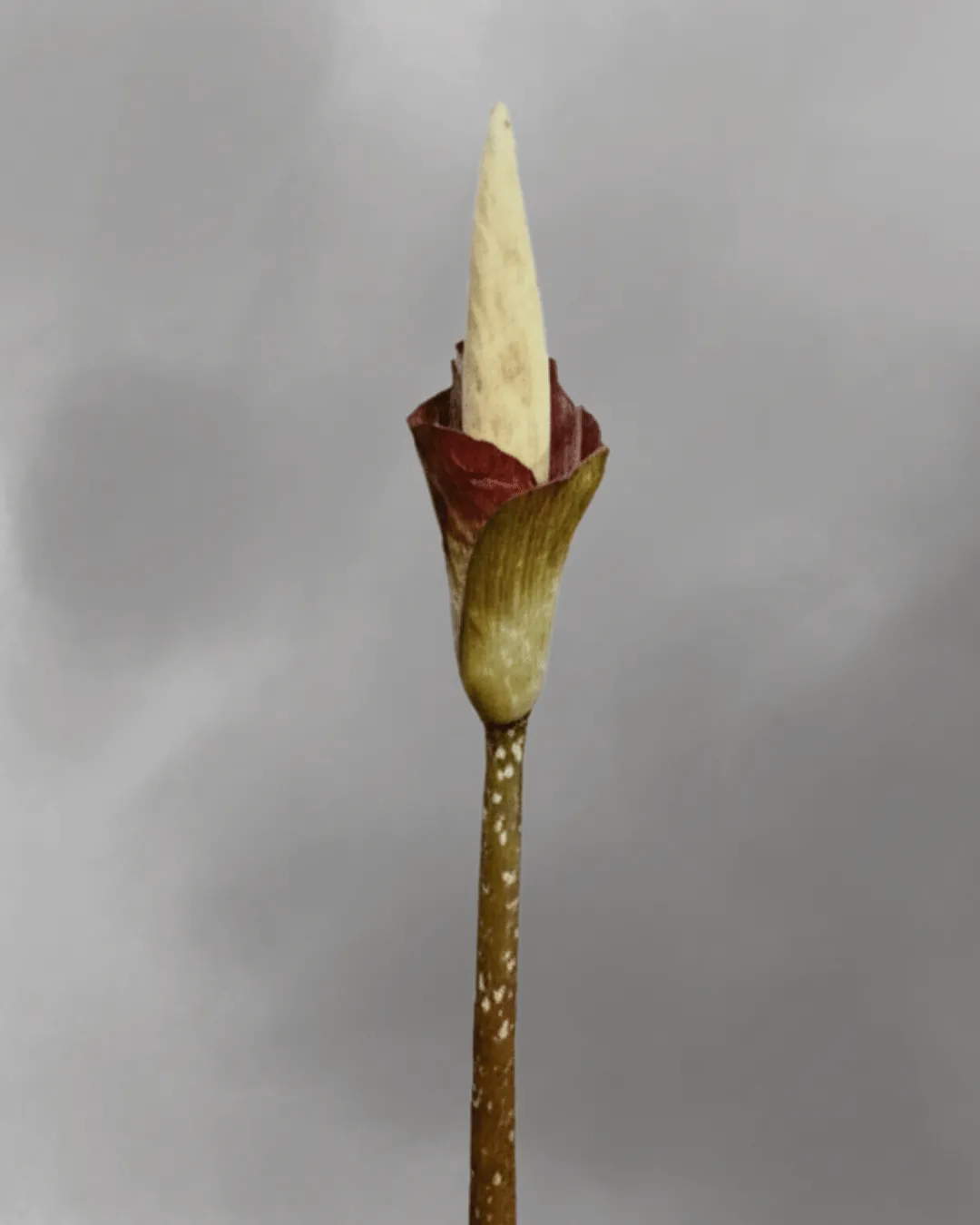
The inflorescence — the flowering structure of the plant — is equally spectacular. It consists of two parts: the spathe and the spadix. The spathe is a large, hood-like outer leaf that wraps around the flower. In this species, the spathe is deep purple-green in colour. The spadix — a thick, upright central spike — is white and can rise up to 1.5 metres tall. Consequently, the entire inflorescence can stand 5 feet (approximately 1.5 metres) above the stalk. The total height of the flowering plant can reach 6 to 8 feet. Moreover, like its famous relative the corpse flower, Amorphophallus decus silvae emits a strong, pungent odour when in bloom. This smell attracts flies and other pollinators. After pollination, the plant produces fruit along the spadix.
Dormancy Cycle
Amorphophallus decus silvae follows a clear seasonal cycle. Primarily, it is actively growing during the wet season in West Java — roughly from November through March. During this period, the leaf emerges and the plant takes up large amounts of water. Furthermore, the plant enters full dormancy during the dry season. At this stage, the above-ground parts die back completely. The corm — the underground storage organ — remains alive and continues to grow each year. Additionally, this species takes 5 to 9 years before a corm becomes large enough to produce a flower. This long wait makes a blooming event truly special.
Global Seed Delivery & Phytosanitary Certification
Induare Agro is a professional supplier of rare seeds, rare exotic seeds, and exotic plants based in Indonesia. We export organic, export-quality seeds to collectors and botanical institutions worldwide. Furthermore, we follow all international plant trade regulations carefully.
Packaging and Shipping
We ship all seeds using Global Express courier services. Consequently, your seeds arrive quickly and in perfect condition. Each seed is carefully cleaned, inspected, and packed to maintain viability during transit. Moreover, we use professional, secure packaging designed specifically for tropical seeds. Every shipment includes full tracking so you can follow your order in real time. Additionally, we handle all export paperwork on your behalf. This includes the Phytosanitary Certificate — a government-issued document that certifies your seeds are free from pests and diseases.
Buyer Peace of Mind
A Phytosanitary Certificate is required to legally import plant material into most countries. Induare Agro provides this document with every international order. Consequently, buyers face no legal issues at customs in their home country. Furthermore, all seeds are grown and collected using organic practices. We do not use synthetic chemicals during cultivation or post-harvest handling. Additionally, our seeds meet export-quality standards and are suitable for planting upon arrival. We are committed to providing rare plants in Indonesia to the world — legally, safely, and professionally.
How to Grow Amorphophallus decus silvae
Growing this rare aroid requires patience and attention. Follow these steps for the best results.
Step 1: Choose the Right Pot and Mix Plant the seed in a deep pot with good drainage. Use a mix of fine bark, soil, and perlite — similar to a terrestrial orchid mix.
Step 2: Provide the Right Light Place the pot in moderate shade. Never expose it to direct or strong sunlight, especially in summer.
Step 3: Water Correctly During Growth Water generously while the leaf is actively growing. Reduce watering significantly once the leaf begins to die back.
Step 4: Manage the Dormancy Period Keep the corm slightly dry during dormancy. Do not let it sit in wet soil. Store the pot in a warm, frost-free location.
Step 5: Maintain the Right Temperature Grow in warm conditions year-round. Night temperatures should stay between 16–20°C. Daytime temperatures of 25–32°C are ideal.
Step 6: Be Patient Additionally, understand that this is a slow-growing plant. It may take several years before the corm is large enough to produce a flower. Furthermore, the reward is spectacular when it finally blooms.
