What Is Anthurium clarinervium?
Anthurium clarinervium is one of the most coveted rare plants among collectors worldwide. It is a tropical species native to the state of Chiapas in southern Mexico. There, it grows on limestone rock faces and on the forest floor in humid, shaded rainforests. The plant lives at elevations between 800 and 1,200 metres above sea level. Primarily, this high-altitude origin explains its preference for cool, moist, and well-shaded growing conditions. Furthermore, the species was first recorded scientifically in the 1950s. Since then, demand has grown steadily among plant enthusiasts across Europe, Asia, and North America. Most collectors struggle to find genuine seeds from verified sources. Consequently, Anthurium clarinervium remains one of the most searched and least accessible exotic plants in the global market. Induare Agro bridges this gap. Additionally, every seed offered is fresh, organic, and fully export-documented — giving collectors worldwide a trusted and legal source for this extraordinary plant.
Aesthetic Features Anthurium clarinervium
Anthurium clarinervium is widely regarded as one of the most beautiful foliage plants available today. Its visual impact is immediate and lasting. Furthermore, each physical feature of this plant is bold, refined, and unlike any common houseplant. The combination of color, texture, and leaf shape has made it a top-tier collector plant across multiple continents.
Leaf Structure Anthurium clarinervium
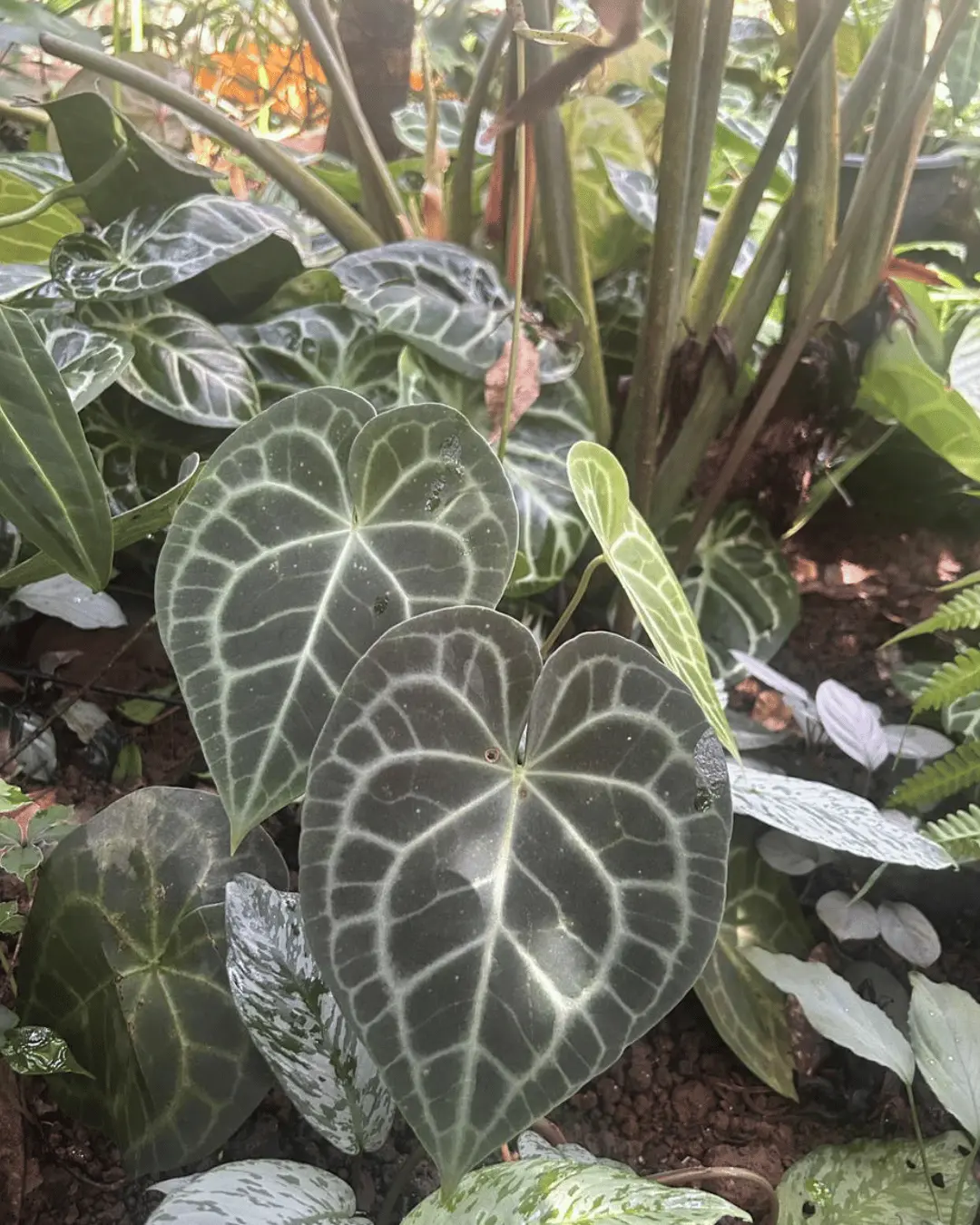
The leaves of A. clarinervium are large, thick, and heart-shaped. They have a rich, deep green color with a velvety surface that feels like soft suede. Primarily, the most striking feature is the bright white veining that runs across each leaf. These veins can reach up to 1 cm in width. Consequently, the contrast between the dark green surface and the white veins creates a dramatic, almost graphic visual effect. Additionally, the leaf edges curve and overlap at the base, giving each leaf a distinctive cupped shape. New leaves emerge with a light green-rust tone. They then deepen into the signature dark green as they mature.
Flower and Fruit Anthurium clarinervium
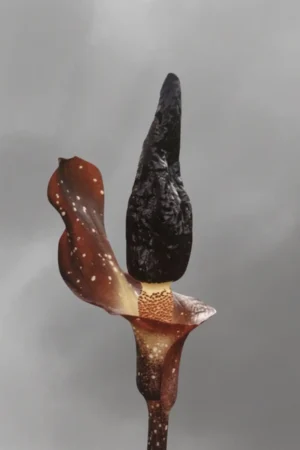
A. clarinervium produces flowers during its growing season. The flower has two parts: a pale green spathe — a flat, leaf-like bract — and a long, narrow spadix — a finger-like spike — that rises from the centre. Furthermore, the flowers are not its main attraction. The foliage always takes centre stage. After pollination, the plant forms small berries along the spadix. Additionally, these berries each contain seeds that can be harvested for propagation.
Growth Habit
This species grows as an epiphyte — a plant that grows on rocks or other surfaces rather than in the ground. Primarily, this means it does not need deep soil. It thrives in loose, chunky, well-drained mixes that allow air to flow around the roots. Furthermore, it is a slow grower. It can take 5–8 years to reach full size. Consequently, a mature specimen is a long-term investment and a true collector’s prize. With proper care, this plant can live for more than 10 years.
Global Seed Delivery & Phytosanitary Certification
Induare Agro is a professional botanical seed exporter based in Indonesia. The company specialises in rare exotic seeds and plants for collectors and research institutions worldwide. Furthermore, Induare Agro holds full export compliance status. This means every order meets the legal plant import requirements of receiving countries around the world.
Packaging and Shipping
Induare Agro packs every seed order with care. Each parcel includes moisture control materials and cushioned protective packaging. This keeps the seeds safe and viable throughout the entire shipping journey. Furthermore, all orders ship via Global Express couriers such as DHL and FedEx. Most international deliveries arrive within 5–14 business days. Additionally, every parcel includes the official Phytosanitary Certificate. This certificate is issued by Indonesia’s Plant Health Authority. Consequently, it confirms that the seeds are free from pests and disease. It also satisfies import rules in the EU, USA, UK, Australia, Japan, and most other countries worldwide.
Buyer Peace of Mind
Induare Agro follows a strict, compliance-first process for every order. Collectors never need to worry about customs rejection or legal issues. Furthermore, all export documents — including the Phytosanitary Certificate and commercial invoice — go with every parcel. Primarily, this full-document approach protects the buyer at every step of the shipping process. Additionally, the team at Induare Agro provides after-sales support to help collectors grow their plants successfully.
How to Grow Anthurium clarinervium
Growing Anthurium clarinervium is highly rewarding. Furthermore, collectors in tropical, subtropical, and indoor temperate settings can all succeed. The key is to recreate the cool, humid, and shaded conditions of its native Chiapas forest. Follow these steps for the best results:
Step 1 — Seed Preparation Soak the seed in warm water (25–28°C) for 24 hours before planting. Additionally, remove any remaining fruit pulp from the seed coat. Clean seeds sprout faster and with less risk of rot.
Step 2 — Growing Medium Use a loose, chunky mix: 40% orchid bark, 30% perlite, and 30% potting mix. Consequently, this blend gives the roots the air flow and drainage they need. It also holds just enough moisture for steady growth.
Step 3 — Sowing Place the seed on top of the mix or press it in no deeper than 1 cm. Furthermore, keep the mix lightly moist at all times. Cover the pot with a plastic dome to hold in humidity during sprouting.
Step 4 — Temperature and Humidity Keep temperatures between 18°C and 29°C for best results. Primarily, aim for humidity levels of 70–90%. A humidity tray, pebble tray, or small humidifier near the plant works well.
Step 5 — Light Place the pot in bright, indirect light. Additionally, never expose it to direct sunlight. The dense forest canopy of Chiapas filters all light — replicate this with a sheer curtain or a north-facing window.
Step 6 — Watering Water when the top 2–3 cm of mix feels dry. Furthermore, never let the pot sit in water. Root rot is the most common problem for this species. Always use a pot with drainage holes.
Step 7 — Feeding Apply a balanced liquid fertiliser (NPK 20-20-20) once a month during active growth. Additionally, dilute to half the recommended dose. This species responds well to light, regular feeding.
Step 8 — Repotting Repot every 1–2 years into a slightly larger pot. Consequently, this gives the roots fresh mix and more room to expand. Move up only one pot size at a time to avoid overwatering risk.
© Induare Agro — Indonesia’s professional rare seed exporter.