
What Is Pigafetta elata?
Pigafetta elata is one of the most extraordinary palms on Earth. It grows natively in the rainforests of northern Sulawesi, Indonesia. Furthermore, it thrives at elevations between 450 and 900 metres above sea level. Collectors and botanists around the world prize it for its incredible size and speed of growth.
This palm is endemic to Indonesia. Consequently, it holds deep cultural significance for local communities in Sulawesi. Traditional builders use its hard timber for construction and structural poles in rice granaries. Additionally, local people weave fibre from its young leaves into threads and small rugs.
Pigafetta elata is widely considered the world’s fastest-growing palm. Moreover, it can grow up to 2 metres per year under ideal conditions. A single specimen planted in Tahiti in 1981 reached 16 metres in just nine years. That kind of growth rate makes it a remarkable living investment for any serious collector.
Seeds of this species are rarely available on the global market. Primarily, this is because the tree is dioecious — meaning male and female plants grow separately. Consequently, seed production requires both a male and a female tree. Induare Agro works directly with verified sources in Sulawesi to offer fresh, export-quality seeds when they become available.
Aesthetic Features Pigafetta elata
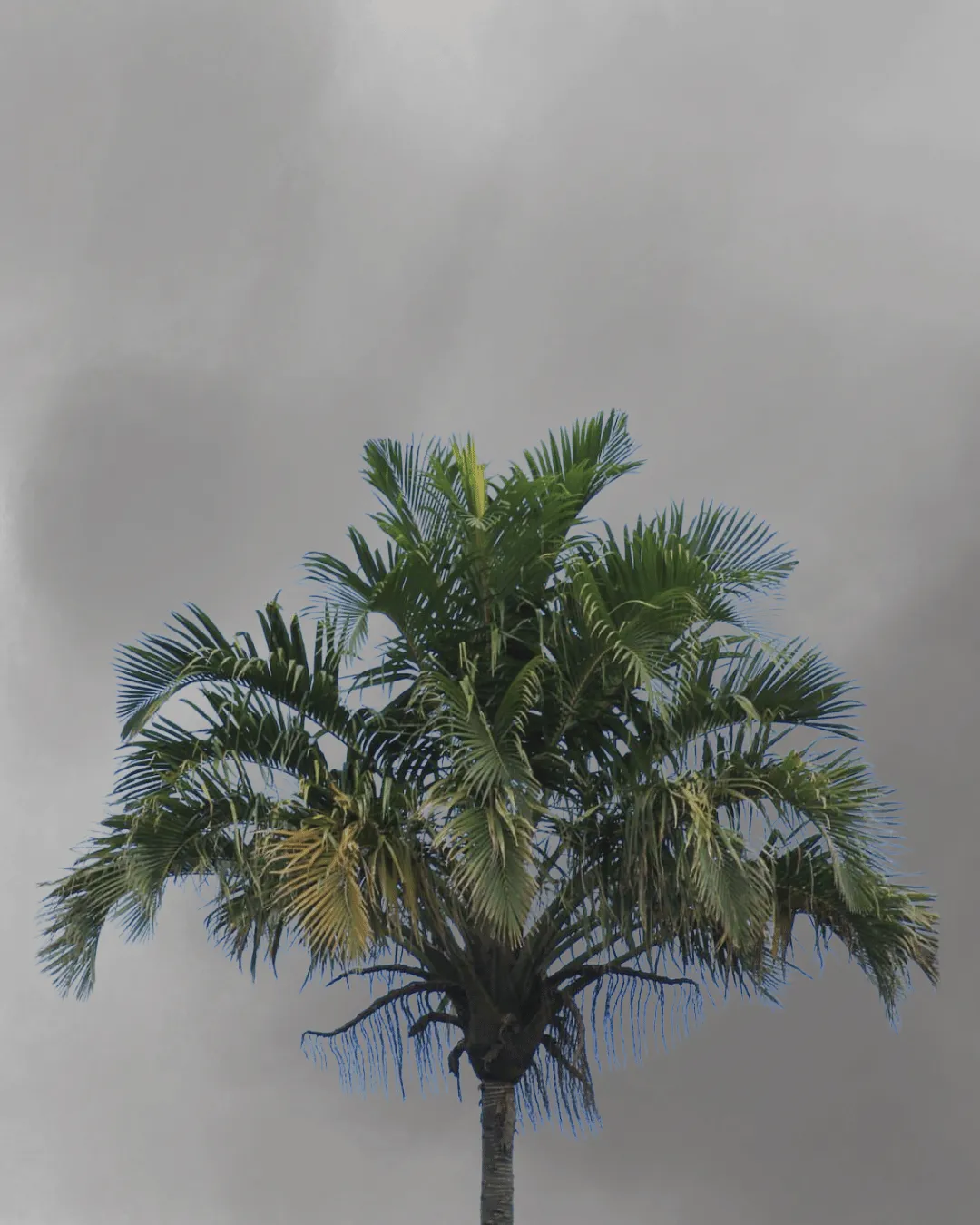
The physical appearance of Pigafetta is striking and unmistakable. Furthermore, every part of this palm contributes to its powerful, sculptural presence. It is a true statement plant for tropical landscapes and botanical collections.
Trunk and Overall Form
The trunk of Pigafetta elata is solitary and grows as a single, straight stem. Additionally, it is broad and glossy green along most of its length. The trunk can reach up to 50 metres in height and 30 to 45 centimetres in diameter. Moreover, it is ringed with evenly spaced scars from old leaf bases. These rings give the trunk a clean, architectural appearance.
At the base of the trunk, masses of adventitious roots — roots that grow above the ground — are often visible. The trunk’s lower section gradually turns brown with age. Consequently, mature specimens display a beautiful two-tone effect from base to crown.
Leaf Structure
The leaves of Pigafetta elata are pinnate — meaning they are feather-shaped with many leaflets along a central stalk. The crown holds a dense, spherical arrangement of these leaves. Furthermore, each leaf can reach up to 6 metres in length. The leaf stalks are robust and span roughly 2 metres each.
The leaf bases of Pigafetta elata are densely covered in masses of blackish spines. Additionally, this feature sets it clearly apart from its close relative, Pigafetta filaris. These spines are a distinctive identifier for this species. Consequently, even young plants are visually dramatic and recognisable.
Flower, Fruit, and Seeds
Pigafetta elata is a dioecious species. Primarily, this means each individual tree is either male or female. The inflorescence — the flowering structure — emerges from the trunk below the leaf crown. Furthermore, the flowers are small and grow in branching clusters along this structure.
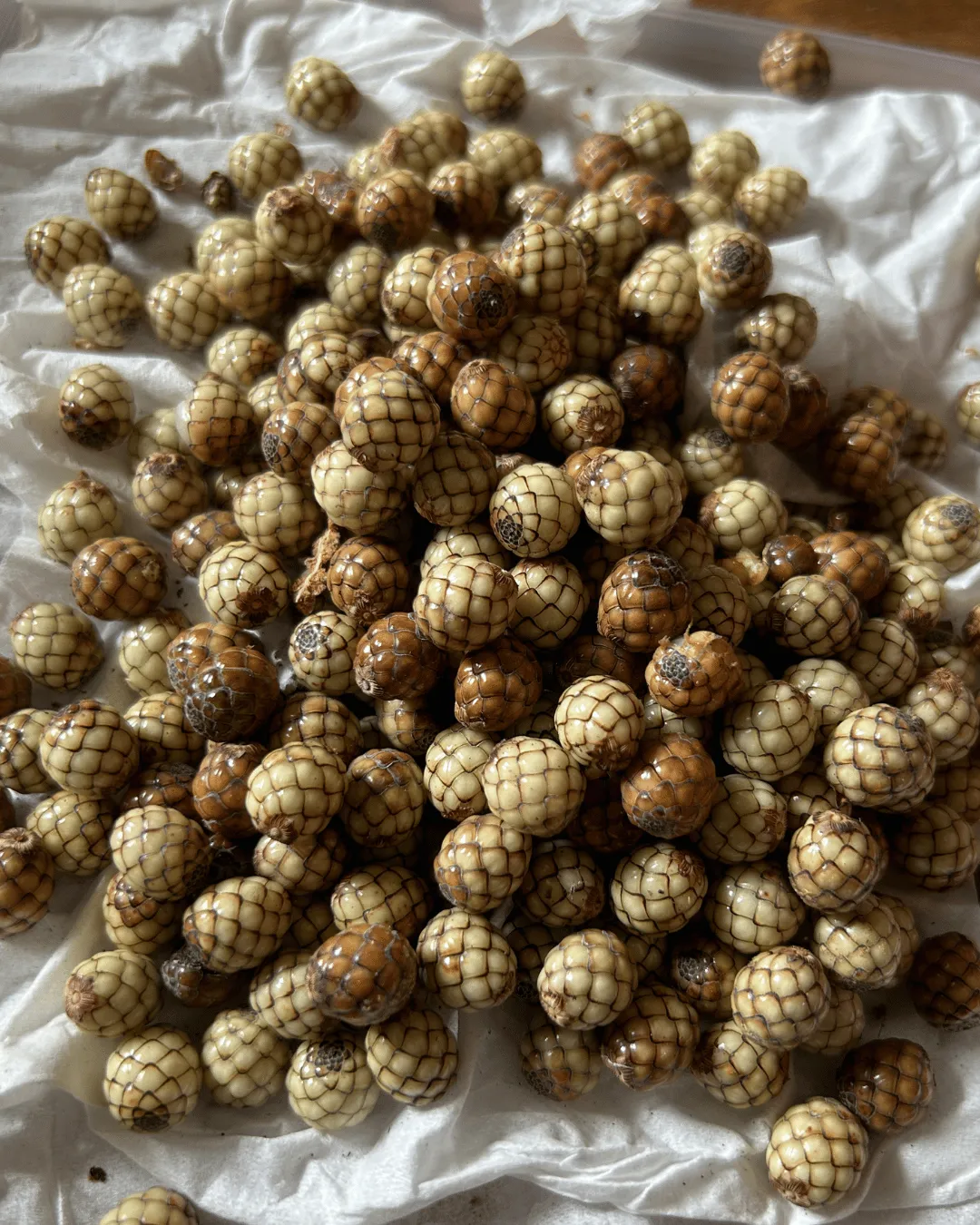
The fruit is ovoid — oval-shaped — and measures approximately 12 millimetres in diameter. Additionally, the fruit is occasionally eaten by local communities. Each fruit contains one seed. Moreover, the seeds must be planted while fresh, as viability decreases quickly after harvest.
Global Seed Delivery & Phytosanitary Certification
Induare Agro is committed to safe, legal, and professional seed delivery. Furthermore, every order follows strict international phytosanitary — plant health — standards. Consequently, buyers receive seeds that meet the requirements of most international import regulations.
Packaging and Shipping
Each seed is carefully prepared for international transport. Induare Agro uses moisture-appropriate packaging to keep seeds viable during transit. Furthermore, orders are dispatched via Global Express courier services. Additionally, tracking information is provided for every shipment.
Shipping times vary by destination. Primarily, most orders arrive within 7 to 14 business days. Induare Agro has experience exporting rare Indonesian plants to collectors across Asia, Europe, the Americas, and beyond. Consequently, every package is optimised for safe arrival.
Buyer Peace of Mind
Every order from Induare Agro includes a government-issued Phytosanitary Certificate. This certificate confirms that the seeds have been officially inspected and are free from pests and diseases. Furthermore, it is a legal requirement for importing plant material in most countries.
Additionally, Induare Agro provides full documentation support for buyers who need assistance with import requirements. Consequently, collectors can purchase with complete confidence. Moreover, Induare Agro only supplies seeds that meet export-quality standards — fresh, viable, and correctly identified.
How to Grow Pigafetta elata
Pigafetta elata is a rewarding palm to grow. Moreover, it responds quickly to the right conditions. Follow these steps for the best results.
Step 1 – Soak the Seed Place the fresh seed in warm water for 24 hours before planting. This softens the seed coat and speeds up germination.
Step 2 – Prepare the Growing Medium Use a deep container filled with rich, well-draining tropical potting mix. Furthermore, ensure the soil stays consistently moist — never waterlogged.
Step 3 – Sow the Seed Plant the seed just below the surface of the soil. Additionally, place the container in a warm, bright spot with full sun exposure.
Step 4 – Maintain Heat and Moisture Keep temperatures above 10°C at all times. Furthermore, water regularly to ensure the soil never dries out completely.
Step 5 – Fertilise Regularly Apply a balanced tropical palm fertiliser every two weeks. Consequently, the seedling will establish quickly and grow vigorously.
Step 6 – Transplant Outdoors Once the seedling is established, transplant it to a sunny outdoor location. Moreover, ensure the final planting site receives at least 1,500 mm of rainfall annually or has access to regular irrigation.
Step 7 – Watch It Grow Pigafetta elata can gain up to 2 metres of height per year once planted in the ground. Additionally, it thrives in full sun from the seedling stage onward. Consequently, this is one of the most rewarding exotic palms a collector can grow.
