
What Is Synsepalum dulcificum?
Synsepalum dulcificum — commonly known as the Miracle Fruit — is one of nature’s most extraordinary botanical wonders. It originates from the tropical rainforests of West Africa, primarily in Ghana, Nigeria, and Cameroon. Furthermore, it grows naturally in humid, lowland forest understories where rainfall is high and soils are highly acidic.
This plant earns its iconic name through a truly remarkable ability. Its small, bright red berries contain a glycoprotein — a special protein molecule — called miraculin. Miraculin binds to the taste receptors on your tongue. Consequently, any sour food you eat afterwards — such as a slice of lemon — tastes completely sweet. This taste-altering effect lasts between 30 minutes and 2 hours.
Scientists and food researchers worldwide find Synsepalum dulcificum fascinating. Additionally, it has been explored in clinical research to help chemotherapy patients enjoy food again. The plant is a slow grower, a patient producer, and a collector’s true prize. Moreover, its combination of rarity, scientific intrigue, and visual beauty makes it one of the most sought-after exotic plants on the global rare plant market.
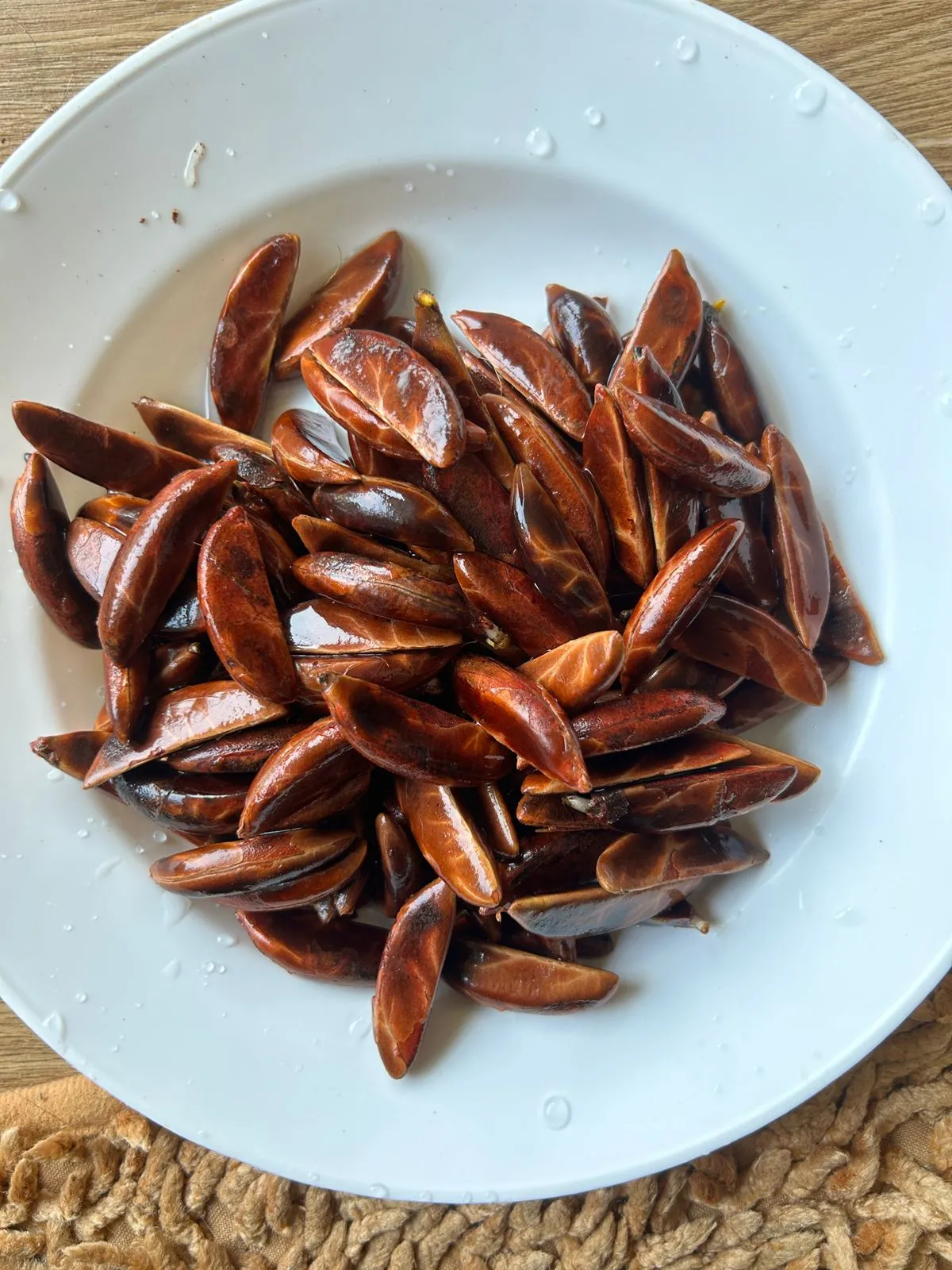
Induare Agro proudly offers fresh, organically grown seeds of this extraordinary species. We source seeds with care. Furthermore, every order ships with a Phytosanitary Certificate for legal, compliant global export.
Aesthetic Features Synsepalum dulcificum
Synsepalum dulcificum is not only remarkable in function — it is genuinely beautiful in form. From its glossy foliage to its jewel-like berries, this plant rewards the grower with year-round visual interest. Additionally, its compact, evergreen habit makes it a stunning specimen in any tropical garden or indoor collection.
Leaf Structure
Synsepalum is an evergreen shrub with deep green, elongated leaves. The leaves are lance-shaped — long, narrow, and tapering to a point — and grow in a neat, upward spiral pattern. Furthermore, the foliage is dense and lush, forming a rounded canopy that looks attractive in containers and landscaped beds alike.
In its native West African rainforest, this plant grows in the shade of taller trees. Consequently, it has adapted to thrive in dappled, indirect light. This makes it an excellent candidate for indoor cultivation near a bright south-facing window. The leaves are firm, leathery in texture, and maintain their deep colour year-round. Moreover, two leaf forms are known — standard and large-leaf — both equally striking.
Flower and Fruit
The flowers of Synsepalum dulcificum are small and white, with five petals arranged in a tubular form. They appear in clusters along the branches and bloom several times per year in frost-free climates. Additionally, each flower is delicate and understated — a quiet contrast to the dazzling berries that follow.
The fruit is where this plant truly shines. Each berry is a vivid, bright scarlet — about 2 to 3 centimetres long — and shaped like a small, oval jewel. Primarily, the berry’s visual appeal alone makes it a prized display plant. Inside each fruit sits a single large seed surrounded by a thin layer of mildly sweet pulp. Consequently, each berry is both a visual ornament and a remarkable sensory experience. The plant typically begins to flower when it reaches 30 to 46 centimetres tall — roughly 2 to 4 years from seed.
Growth Habit and Lifespan
Synsepalum dulcificum is a slow-growing, long-lived plant. In cultivation, it typically reaches 1.5 to 2 metres in height in a container. Furthermore, in its natural tropical habitat, it can grow to 5 or even 6 metres tall. The plant has a lifespan of at least 25 years, making it a long-term investment for any dedicated collector.
Moreover, this species is evergreen — it does not lose its leaves seasonally. It maintains its lush, compact form year-round. Primarily, it is grown as a container specimen in climates outside of the tropics. Additionally, it adapts well to indoor environments when provided with sufficient humidity, acidic soil, and bright indirect light.
Global Seed Delivery & Phytosanitary Certification
At Induare Agro, we understand that purchasing rare exotic seeds internationally requires trust. Consequently, we have built a professional export process that prioritises legality, seed viability, and buyer confidence at every step.
Packaging and Shipping
Every seed of Synsepalum dulcificum is carefully selected for freshness and viability. Furthermore, each seed is cleaned, checked for quality, and prepared using professional export packaging standards. We use moisture-appropriate materials to protect seed health during transit. Additionally, all parcels are dispatched via Global Express courier services.
Primarily, we ship to all major international destinations. Our team handles all export documentation on your behalf. Consequently, your order arrives legally and safely, with zero administrative hassle on your end. Moreover, track-and-trace shipment notifications keep you informed at every stage of delivery.
Buyer Peace of Mind
Induare Agro includes a Phytosanitary Certificate with every international seed order. A Phytosanitary Certificate is an official government-issued plant health document. It confirms that your seeds have been inspected, treated if necessary, and are free from pests and diseases. Furthermore, it is a legal requirement for plant imports in most countries.
Additionally, our certificates are issued through Indonesia’s official agricultural authority. This means your seeds comply fully with international plant import regulations. Consequently, customs clearance in your destination country is smooth and straightforward. Moreover, Induare Agro has a strong record of successful deliveries to collectors and botanical institutions across Asia, Europe, the Americas, and beyond.
How to Grow Synsepalum dulcificum
Growing Miracle Fruit from seed is a rewarding journey. Follow these steps carefully for the best results.
Step 1 — Prepare Acidic Soil Use a highly acidic growing medium with a pH between 4.5 and 5.8. A mix of Canadian acid peat and pine bark works very well. Correct soil pH is the single most important factor for successful germination.
Step 2 — Sow the Seed Plant the seed just below the surface — about 1 centimetre deep. Use a small pot of 10 to 15 centimetres diameter. Additionally, keep the soil evenly moist but never waterlogged.
Step 3 — Provide Warmth and Humidity Maintain temperatures between 22°C and 28°C (72°F–82°F). Furthermore, cover the pot with a clear plastic bag or humidity dome to retain moisture. Place it in a bright, warm spot with no direct sun.
Step 4 — Be Patient Germination typically takes 4 to 8 weeks. Some seeds may take longer. Consequently, do not let the soil dry out and do not disturb the seed during this period.
Step 5 — Transplant and Grow On Once the seedling reaches 5 to 8 centimetres, transplant it to a slightly larger pot. Primarily, continue using acidic, well-draining soil. Additionally, maintain high humidity and bright indirect light throughout the plant’s life.
Step 6 — Fertilise Lightly Use a diluted, acid-formulated liquid fertiliser every 4 to 6 weeks during the growing season. Avoid over-fertilising, as this can damage the roots. Furthermore, avoid any fertiliser with a high pH, as it will harm the plant.
Step 7 — Expect Your First Fruit The plant typically begins to flower at 2 to 4 years of age. Furthermore, it is self-fertile — meaning a single plant can produce fruit without a companion. Consequently, with patience, you will enjoy your own homegrown Miracle Fruit within a few years.
© Induare Agro — Rare Seeds & Exotic Plants | Export Quality | Phytosanitary Certified
