
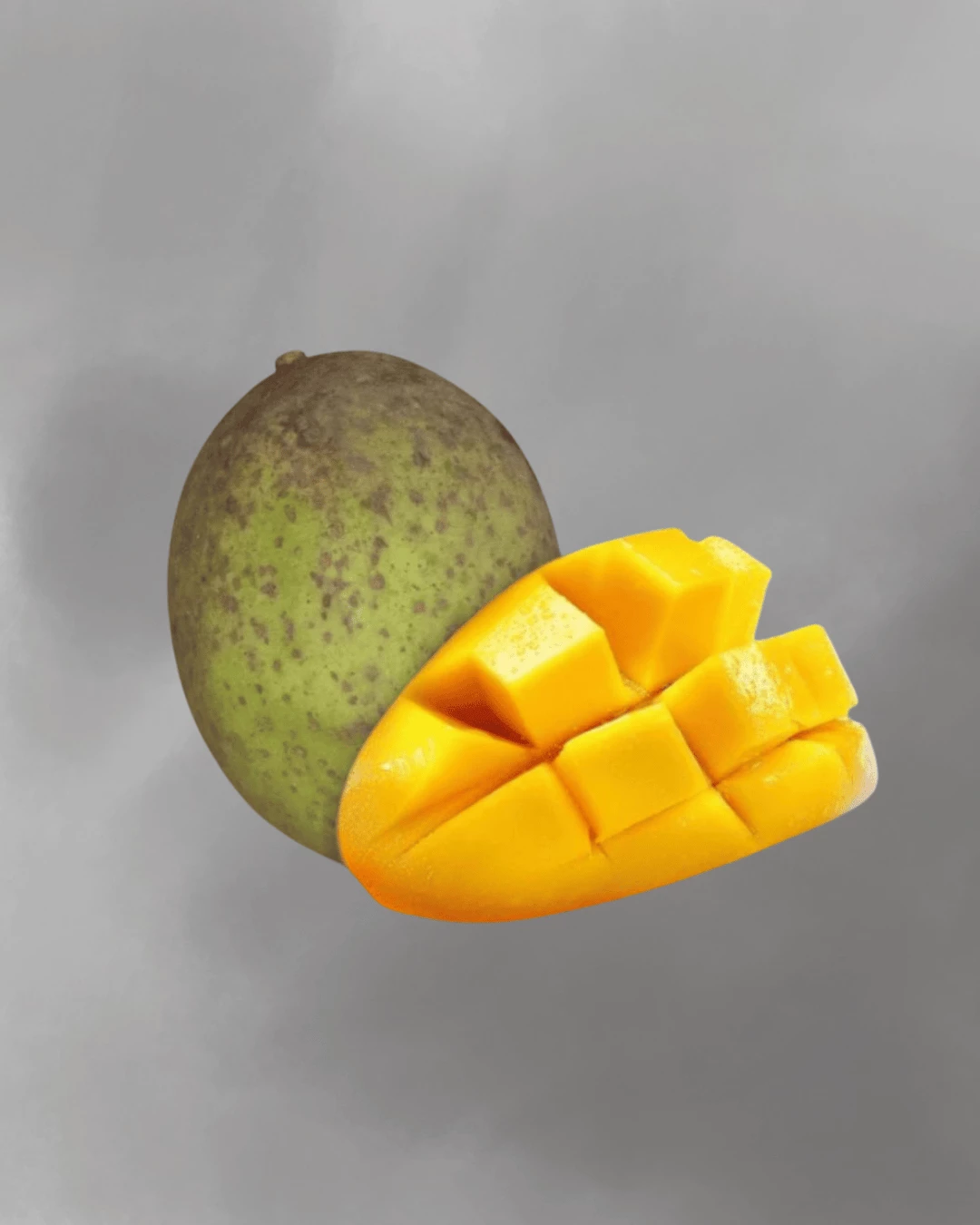
What Is Mangifera foetida?
Mangifera foetida is a rare tropical tree species native to the lowland rainforests of Indonesia, Malaysia, and Borneo. It belongs to the family Anacardiaceae — the same plant family as the common mango. Locally, people call it “bacang,” “limus,” or “machang,” depending on the region. Globally, collectors and botanists know it as the Horse Mango.
This species is not your everyday garden tree. It grows in primary lowland forests at elevations up to 1,500 metres above sea level. Furthermore, it thrives in wet tropical climates with consistent rainfall throughout the year. Consequently, it is rarely found outside its native habitat, making its seeds exceptionally valuable to international collectors.
The scientific name foetida comes from the Latin word for “foul-smelling.” This refers to the fruit’s strong, pungent aroma — similar to turpentine or durian. However, this smell is precisely what makes it botanically fascinating. Additionally, local communities across Indonesia and Malaysia prize the fruit highly for cooking. Unripe fruit is used in spicy salads called rujak and in sour pickles called acar.
Mangifera foetida is disappearing from the wild. Key seed dispersers — orangutans, hornbills, and elephants — are declining rapidly. Moreover, fewer than half of all Mangifera species exist in botanical collections outside Asia. This makes every authentic seed a conservation asset. Induare Agro sources these seeds responsibly, directly from Indonesia’s fertile tropical regions.
Aesthetic Features Mangifera foetida
Mangifera is a genus of approximately 69 tropical tree species. Most are native to South and Southeast Asia. Mangifera foetida stands out even within this remarkable genus for its size, canopy, and unique fruit.
Leaf Structure
The leaves of Mangifera foetida are large and leathery. Each leaf is elliptic-oblong in shape — meaning oval, with a slightly longer length than width. Leaves typically measure 15–40 cm long and 9–15 cm wide. Furthermore, the upper surface is dark, glossy green, while the underside is a lighter, clear green. The leaf tip is slightly pointed, and the base tapers gently toward the stem. Additionally, the leaves are stiff and thick, giving the tree a bold, tropical presence even without flowers or fruit.
Flower and Fruit
The tree produces upright flower clusters — called inflorescences — which appear at the start of the rainy season. The small flowers are pinkish-white and lightly scented. Moreover, when in full bloom, the tree becomes a striking ornamental specimen. After pollination, the tree produces large fruit weighing between 100–200 grams each. The fruit skin is yellowish-green, thick, and rough. Inside, the flesh is fibrous, orange-yellow, and deeply aromatic. Primarily, the smell is the fruit’s most distinguishing feature — bold, pungent, and unmistakable.
Canopy and Tree Form
Mangifera foetida is a tall, majestic tree. It typically grows 20–30 metres tall, with some specimens recorded at 35 metres or more. The trunk is straight and cylindrical — free of buttresses (the wide, fin-like root supports seen on some rainforest trees). Consequently, the tree has a clean, powerful silhouette. The crown is dense and globose — meaning rounded, like a ball — with massive spreading branches. Additionally, the bark is light brown to dark greyish-brown, lightly fissured, and contains a white sap that turns black when exposed to air.
Global Seed Delivery & Phytosanitary Certification
Induare Agro is committed to delivering rare exotic seeds safely, legally, and professionally to collectors and growers worldwide. Every order is handled with full export compliance and care.
Packaging and Shipping
Each seed is carefully cleaned, inspected for viability, and prepared for long-distance travel. Induare Agro uses professional export-grade packaging to protect seeds during transit. Furthermore, all shipments are sent via Global Express courier services to ensure fast, trackable delivery. The packaging maintains optimal humidity and protection throughout the journey. Consequently, seeds arrive in the best possible condition for planting.
Buyer Peace of Mind
Every order from Induare Agro includes a Phytosanitary Certificate — an official government-issued plant health document. This certificate confirms that the seeds have been inspected and meet the import requirements of your country. Additionally, it ensures your purchase is fully legal and compliant with international plant trade regulations. Moreover, Induare Agro works directly with Indonesia’s official agricultural authorities to issue this documentation for every shipment. You can import with full confidence.
How to Grow Mangifera foetida
Follow these simple steps to successfully germinate and grow your Horse Mango seed.
Step 1 — Prepare Your Seed Soak the fresh seed in warm water for 24–48 hours before planting. This softens the outer seed coat and speeds up germination.
Step 2 — Choose Your Growing Medium Use a moist, well-draining potting mix — a blend of loam, perlite, and compost works well. Fill a deep container of at least 30 cm to allow root development.
Step 3 — Plant at the Right Depth Place the seed flat or slightly angled, about 2–3 cm below the soil surface. Water gently after planting and keep the soil consistently moist.
Step 4 — Provide Warmth and Humidity Place the container in a warm spot with temperatures above 22°C (72°F). Mangifera foetida needs high humidity — cover with a plastic dome or bag to retain moisture.
Step 5 — Wait for Germination Germination typically begins within 2–4 weeks under warm, humid conditions. Additionally, seedlings need indirect bright light at first. Avoid direct midday sun until the plant is established.
Step 6 — Transplant When Ready Once the seedling has two to three true leaves, transplant it to a larger pot or a prepared garden bed. Furthermore, choose a location with full sun and regular rainfall or irrigation. Spacing for mature trees should be at least 14–16 metres apart.
Step 7 — Ongoing Care Water deeply and regularly, especially during dry spells. Primarily, this tree thrives in wet tropical conditions with rich, moist soil. Bachang trees typically take 6–8 years from planting to first harvest — so patience is key.
