
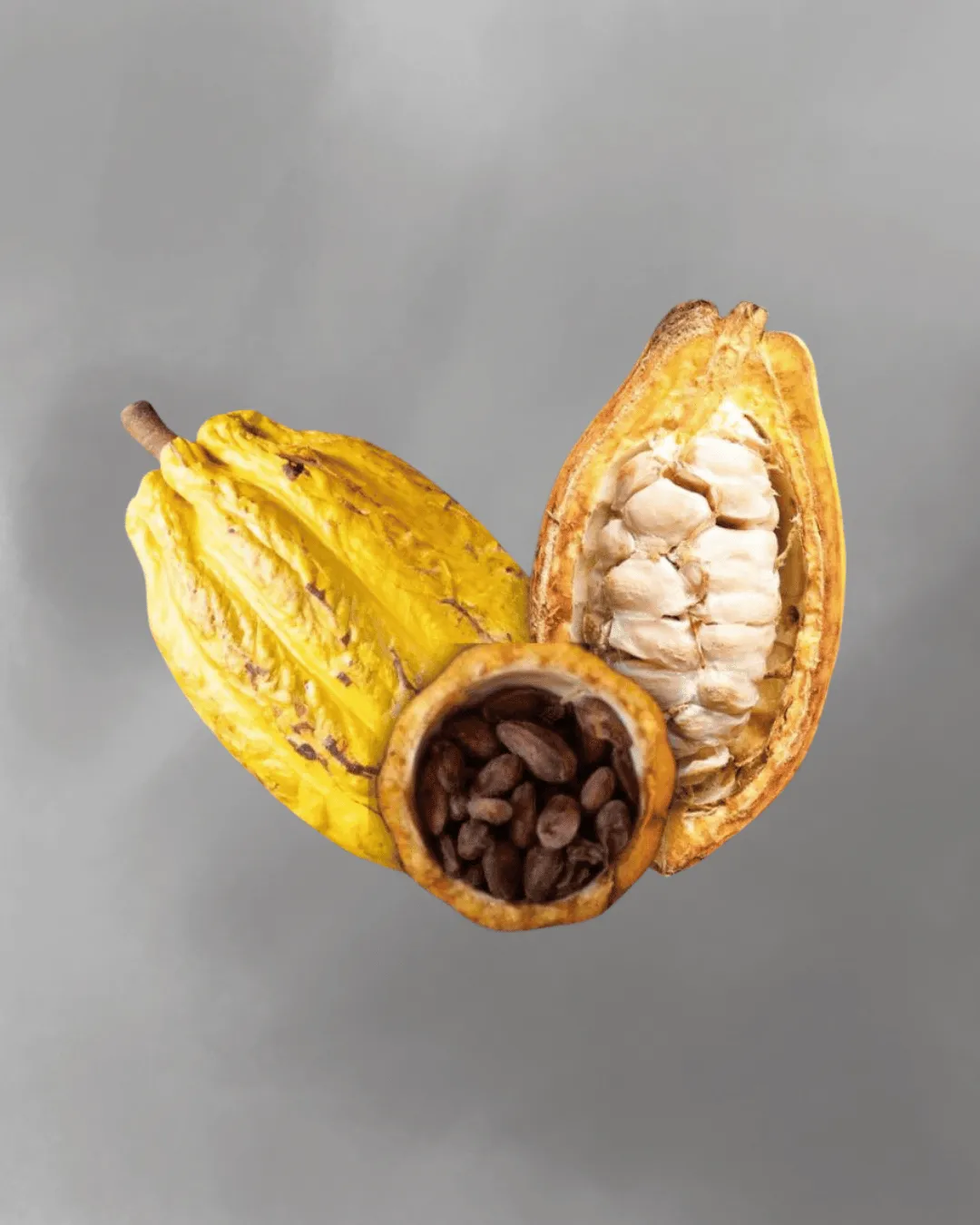
What Is Theobroma cacao?
Theobroma cacao is the tree that gives the world chocolate. Its name comes from ancient Greek. Theobroma means “Food of the Gods.” This name was given by the Swedish botanist Carl Linnaeus in 1753. Furthermore, it reflects the deep reverence that ancient civilisations placed on this plant for thousands of years.
The tree originates from the tropical rainforests of Central and South America. Botanists believe it first grew in the upper Amazon River basin. Primarily, the Olmec, Mayan, and Aztec civilisations cultivated it as a sacred crop. They used cacao beans as currency and as a ceremonial drink. Consequently, the tree carries one of the longest and richest cultural histories of any plant on Earth.
Today, Theobroma cacao grows across the tropical belt — within 20 degrees north and south of the equator. Indonesia is now one of the top three cacao-producing countries in the world. Additionally, Indonesian cacao is prized for its bold, full-bodied flavour profile. Induare Agro sources fresh T. cacao seeds directly from Indonesian growers. Furthermore, every seed ships with full export documentation and a Phytosanitary Certificate. This makes Induare Agro one of the most trusted sources for authentic Indonesian cacao seeds worldwide.
Aesthetic Features Theobroma cacao
Theobroma cacao is a small, elegant evergreen tree. It grows 6–12 metres tall in the wild. In cultivation and containers, it stays much more compact. Furthermore, it has a straight trunk with grey-brown, slightly rough bark. Patches of lichen and moss often grow on the bark — giving the tree a lush, forest-floor appearance that collectors find very appealing.
Leaves
The leaves of Theobroma cacao are one of its most striking features. Young leaves emerge in a deep red or bronze colour. They appear to droop softly from the branch tips. Consequently, this drooping habit protects the tender new growth from sun damage. As the leaves mature, they turn dark, glossy green. Furthermore, they grow large — 10 to 50 cm in length. The upper surface is smooth and shiny. The underside is slightly paler. Additionally, young and mature leaves grow side by side on the same tree at all times. This creates a beautiful two-tone canopy effect.
Flowers and Pods
The flowers of T. cacao are truly remarkable. They grow directly from the trunk and older branches — not from the leaf tips. This trait is called cauliflory — meaning “stem-flowering.” Primarily, this makes the cacao tree look unlike almost any other plant a collector will encounter. The flowers are tiny, just 1–2 cm wide. They are white to pale pink with five small petals. Furthermore, the flowers open at night and rely on small midges — tiny insects — for pollination.
After pollination, the tree produces its iconic pod — called a cacao pod. The pod grows 15–30 cm long. It turns yellow, orange, red, or purple when ripe, depending on the variety. Consequently, a fruiting cacao tree offers one of the most colourful and visually dramatic displays in tropical horticulture. Inside each pod are 20 to 50 seeds — the cacao beans — surrounded by a sweet white pulp. Additionally, a healthy tree can produce 20 to 30 pods per year under good conditions.
Growth Habit and Fruiting
Theobroma cacao is an evergreen tree. It keeps its leaves year-round. Furthermore, it grows as an understorey plant — meaning it naturally grows in the shade of taller trees. Primarily, this makes it well-suited to shaded home gardens and indoor growing spaces. The tree begins to flower and fruit in just 3 to 5 years from seed. Consequently, growers do not wait long to see results. Additionally, a healthy tree flowers one to two times per year and can produce pods across multiple branches simultaneously.
Global Seed Delivery & Phytosanitary Certification
Induare Agro is a professional botanical seed exporter based in Indonesia. The company connects authentic Indonesian plant species with collectors, growers, and research institutions around the world. Furthermore, Induare Agro maintains a strict, fully documented export process for every order. Consequently, buyers across more than 50 countries receive their seeds legally, safely, and with full confidence.
Packaging and Shipping
Cacao seeds lose viability quickly after harvest. Induare Agro understands this. Consequently, every seed is packed fresh, with moisture-control material, and cushioned express packaging to protect viability during transit. Shipments go via Global Express couriers such as DHL and EMS. Additionally, most international orders arrive within 5–14 business days. Furthermore, every parcel includes an official Phytosanitary Certificate. This document is issued by Indonesia’s Plant Health Authority. It confirms the seeds are free from pests, disease, and regulated pathogens. Consequently, it meets customs requirements in the EU, USA, UK, Australia, Japan, and most other countries.
Buyer Peace of Mind
Induare Agro includes full export documentation with every order. This covers the Phytosanitary Certificate and a commercial invoice. Furthermore, this ensures smooth, fast customs clearance at every destination. Additionally, the Induare Agro team provides after-sales growing support. Primarily, the goal is to help every buyer germinate, grow, and eventually harvest their own cacao — from a single seed to a productive, fruiting tree.
How to Grow Theobroma cacao
Growing Theobroma cacao from seed is a deeply rewarding experience. Furthermore, growers in tropical and subtropical climates can achieve excellent results by following these steps carefully. The key factors are warmth, humidity, and partial shade.
Step 1 — Seed Preparation Use the seed immediately after receiving it. Cacao seeds lose viability quickly — germinate within 5 days of arrival for best results. Additionally, do not dry the seed before planting.
Step 2 — Growing Medium Prepare a rich, well-draining mix: 50% loamy potting soil, 30% compost, and 20% perlite. Consequently, this holds moisture well while allowing excess water to drain freely.
Step 3 — Sowing Plant the seed flat or on its side, about 2–3 cm deep, in a pot with drainage holes. Furthermore, keep the soil consistently moist — not wet — from this point forward.
Step 4 — Temperature Maintain a temperature of 24–28°C for optimal germination. Primarily, stable warmth is the single most important factor. Use a heated propagation tray if growing in a cooler climate.
Step 5 — Shade and Humidity Place the pot in a warm spot with bright, indirect light. Additionally, cacao naturally grows under forest shade. Avoid direct midday sun at all stages of early growth.
Step 6 — Watering Keep the soil moist throughout the germination and seedling stages. Furthermore, never let the pot sit in standing water. Root rot is the most common cause of failure with cacao seedlings.
Step 7 — Transplanting Move the seedling to a larger pot once it reaches 20–25 cm tall. Consequently, a deeper pot supports the cacao’s strong taproot — the main root that grows straight down. Use a pot at least 40 cm deep.
Step 8 — Long-Term Care and Fruiting Apply a balanced organic fertiliser (NPK 10-10-10) every 4–6 weeks during the growing season. Additionally, once the tree matures, switch to a potassium-rich feed to support pod development. Furthermore, a well-cared-for tree will begin to fruit in 3–5 years from seed.
© Induare Agro — Indonesia’s professional rare seed exporter.
