
What Is Timonius minahassae?
Timonius minahassae is one of the rarest tropical plants on earth. It is a shrub or small tree native to the Minahasa region of North Sulawesi, Indonesia. Its native range extends from North Sulawesi to the Maluku Islands (Gebe), according to the Royal Botanic Gardens, Kew. It grows primarily in wet tropical rainforest biomes. These dense, humid forests are among the most biodiverse ecosystems on the planet.
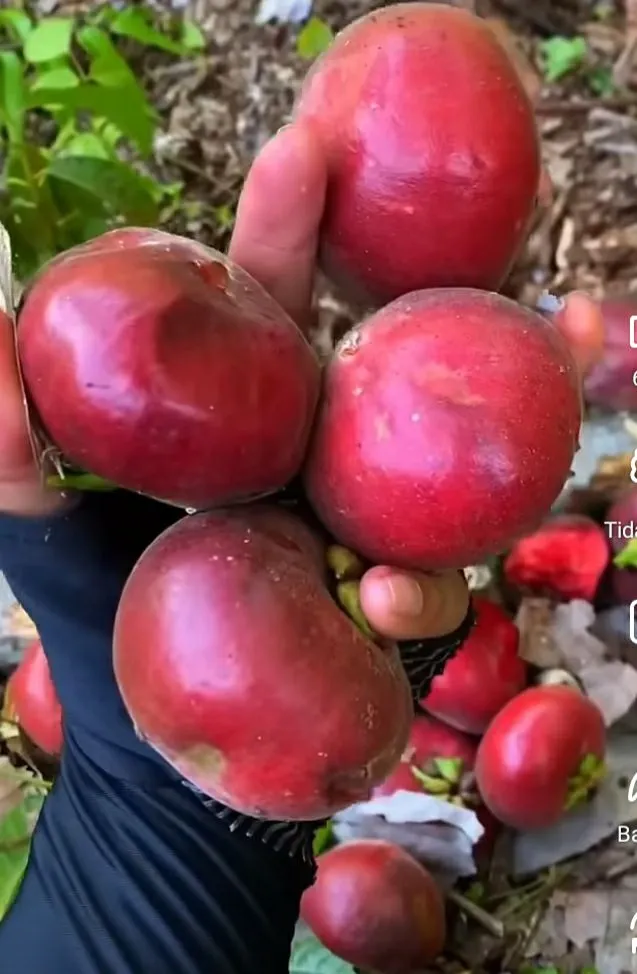
This species belongs to the Rubiaceae family — the same plant family as coffee. Furthermore, it was virtually unknown to the wider world until March 2024. At that time, photos of a striking red fruit found in Sulawesi went viral online. Many observers initially dismissed the images as a hoax. Closer scientific examination, however, confirmed the fruit as Timonius minahassae. Consequently, the global botanical community took immediate notice.
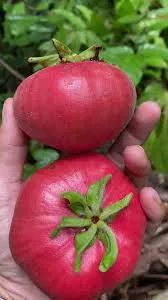
The plant’s common name, Red Sapote, reflects the striking visual similarity of its fruit to true sapotes. Additionally, the name captures the vivid red color that defines this species. Despite the name, it is not related to true sapotes at all. Moreover, this rediscovery added a remarkable new chapter to the world’s record of edible tropical fruits.
Timonius minahassae is rare not just in cultivation — it is extremely scarce in the wild. Furthermore, it remains virtually unknown outside its native habitat. Collectors and botanical gardens worldwide are now actively seeking seeds. Induare Agro sources these seeds directly from Indonesia. We supply them with full export documentation to buyers around the globe.
Aesthetic Features Timonius minahassae
The visual appeal of Timonius minahassae is extraordinary. Every part of this plant — leaves, flowers, and fruit — is distinctive. Furthermore, its overall appearance sets it apart from any common houseplant or garden tree. Below, we describe the key features collectors admire most.
Leaf Structure
Timonius plants produce ovate-lanceolate leaves. These are oval-shaped leaves that taper to a pointed tip. The leaves are a deep, glossy green. Additionally, they have a smooth, leathery surface that reflects light beautifully. The leaves grow in opposite pairs along the stem.
Furthermore, the foliage gives this plant a lush, tropical character. Even as a young plant, it creates an impressive visual presence. The leaf texture is firm and bold. Consequently, it stands out clearly against lighter backgrounds in any interior or garden setting. Each leaf is well-defined with clear veining — a feature that makes the plant look refined and sculptural.
Flower and Fruit
The flowers of Timonius minahassae are small, white, and fragrant. Moreover, they attract pollinators naturally and add a delicate scent to any growing space. The flowers have five petals and appear in clusters. Additionally, they offer a beautiful contrast against the deep green foliage.
The fruit is the true showpiece of this plant. It is bright red on the outside, with equally vivid red flesh inside. Furthermore, the fruit can reach up to 10 cm (approximately 4 inches) in size. The texture of the flesh is juicy and slightly jelly-like. The flavor is sweet and pleasantly sour — a combination that is both refreshing and complex. Primarily, it is the visual drama of the deep red fruit that draws collectors to this species above all else.
Growth Habit and Size
Timonius minahassae grows as a shrub or small tree. In its natural habitat, specimens in the broader Timonius subgenus can reach significant heights. In cultivation, however, the plant is far more manageable. Primarily, it suits large containers, greenhouses, or tropical garden beds. It thrives in humid, warm conditions with plenty of indirect or filtered light.
Consequently, this species is well suited to indoor tropical collections. It does not tolerate frost. Moreover, it needs high humidity to perform well. Growers in temperate climates can achieve this by misting the plant regularly or placing it near a humidifier. The growth rate is moderate. Furthermore, with correct care, the plant develops steadily into a handsome, productive tree.
Global Seed Delivery & Phytosanitary Certification
Induare Agro is a professional Indonesian plant exporter. We specialise in rare seeds, rare exotic seeds, and export-quality botanical specimens. Furthermore, we comply fully with all international plant trade regulations. Every order we ship is handled with care, precision, and full legal compliance.
Packaging and Shipping
We ship every seed order via Global Express courier services. Furthermore, each package is carefully prepared to protect seed viability during transit. Seeds are packaged in moisture-appropriate materials to maintain freshness. Additionally, the outer packaging is secure, discreet, and clearly labelled for customs clearance.
Every shipment from Induare Agro includes a Phytosanitary Certificate. This is an official government-issued plant health document. Primarily, it confirms that the seeds have been inspected and meet all biosecurity standards. Consequently, buyers in the USA, Europe, Australia, and other regulated markets can import with confidence.
Buyer Peace of Mind
We understand that international plant purchases require trust. Consequently, Induare Agro provides full documentation with every order. Moreover, our team tracks each shipment from Indonesia to the buyer’s door. We provide tracking numbers promptly after dispatch.
Furthermore, our Phytosanitary Certificate ensures smooth customs clearance in most countries. Additionally, our packaging is designed to keep seeds alive and viable throughout long-distance shipping. We are committed to delivering rare plants safely and legally to collectors worldwide. Moreover, Induare Agro is proud to represent Indonesia’s extraordinary botanical heritage on the global stage.
How to Grow Timonius minahassae
Growing Timonius minahassae from seed is a rewarding experience. Follow these steps carefully for the best results.
Step 1 — Prepare Your Growing Mix Use a well-draining seed-starting mix. A blend of coco peat, perlite, and fine bark works well. Fill a small pot or seed tray with this mix.
Step 2 — Sow the Seed Place the seed just below the surface of the moist growing mix. Cover lightly with a thin layer of mix. Do not bury the seed too deeply.
Step 3 — Provide Warmth and Humidity Place the pot in a warm location with temperatures above 22°C (72°F). Cover with a clear plastic dome or bag to retain humidity. Mist lightly if the surface dries out.
Step 4 — Provide Indirect Light Position the seedling tray in bright, indirect light. Avoid direct midday sun, which can scorch emerging seedlings. A bright windowsill or grow light works well.
Step 5 — Water Carefully Keep the growing mix consistently moist but never waterlogged. Water from the base where possible. Overwatering is the most common cause of seedling failure.
Step 6 — Transplant When Ready Once the seedling has two to three true leaves, transplant it into a larger pot. Use a rich, well-draining tropical potting mix. Maintain high humidity and warmth throughout the growing process.
Step 7 — Ongoing Care Feed monthly with a balanced liquid fertiliser during the growing season. Maintain humidity above 60% for best results. Additionally, protect the plant from temperatures below 15°C (59°F) at all times.
