
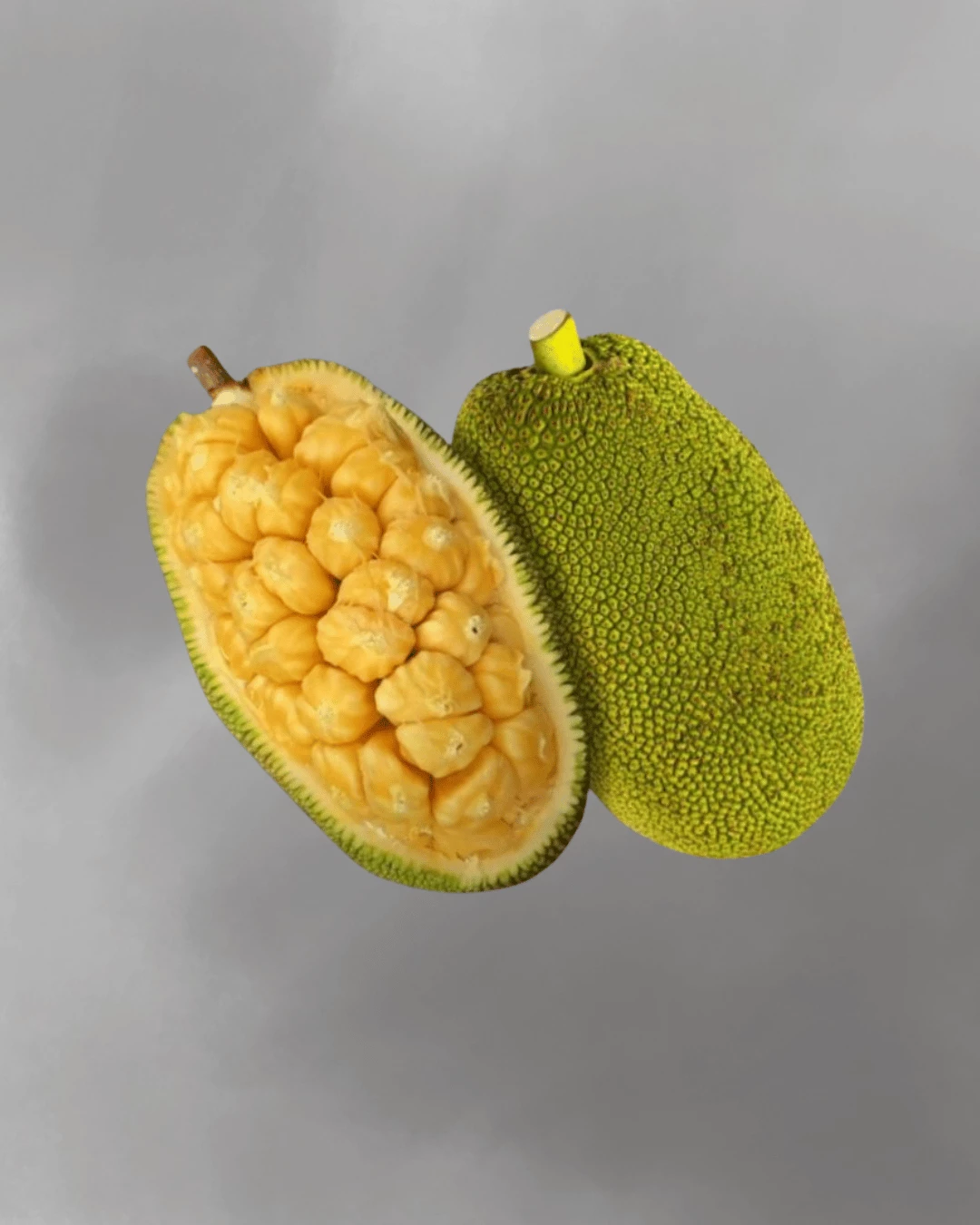
What Is Artocarpus integer?
Artocarpus integer, commonly known as Cempedak, is a true treasure of the Southeast Asian tropics. It belongs to the Moraceae family — the same family as jackfruit, breadfruit, and figs. Furthermore, Cempedak is native to Indonesia, where it grows across Sumatra, Kalimantan, Java, Sulawesi, Maluku, and Papua. It also grows naturally in Malaysia and southern Thailand. Primarily, it thrives in humid lowland forests at altitudes below 1,200 metres.
Cempedak is not just a fruit tree. Additionally, it is a cultural icon in Indonesia and Malaysia. Local communities have grown, harvested, and celebrated it for generations. The tree produces fruit within 3 to 6 years from seed. Consequently, it rewards patient growers with one of the most aromatic and flavorful fruits in the tropical world. Outside Southeast Asia, this tree is extremely difficult to source. Furthermore, fresh viable seeds are rare and time-sensitive — they must be planted soon after harvest. Induare Agro ships these seeds quickly and safely to collectors worldwide. Additionally, every order is fully legal and export-compliant.
Aesthetic Features Artocarpus integer
Artocarpus integer is a large, striking evergreen tree. It can grow up to 20 metres in height in the wild. In gardens and containers, it stays more manageable. Furthermore, the tree develops a dense, rounded canopy. Its deep green leaves create a lush, tropical look year-round. The smooth grey-brown bark becomes thicker and rougher as the tree matures. Consequently, even a young Cempedak tree makes a bold visual statement in any tropical garden or greenhouse.
Leaf Structure
The leaves of Artocarpus integer are oval-shaped and firm. They range from dull to medium green on the upper surface. Additionally, young leaves have a fine covering of brown, hair-like fibres on the surface. Each leaf is large and slightly leathery. Furthermore, the dense leaf arrangement gives the canopy a full, layered appearance. This makes the tree an attractive shade plant even before it begins to fruit.
Flower and Fruit
The flowers of Cempedak grow directly from the trunk and main branches — a trait called cauliflory, meaning the plant produces flowers and fruits on old wood rather than new shoots. Male and female flowers grow on the same tree. Furthermore, pollination is carried out primarily by small insects. The fruit that follows is cylindrical and oblong. It can grow up to 30 cm in length. Additionally, the outer skin is covered in small, blunt spines that soften when ripe. The ripe fruit turns yellow to brown on the outside. Inside, the flesh — called an aril, meaning the edible layer wrapped around each seed — is golden-yellow, soft, and juicy. Consequently, the taste is rich and sweet, often compared to a mix of durian, mango, and honey.
Seeds and Culinary Value
Each Cempedak fruit can hold between 100 and 500 seeds. The seeds are large, flat, and oval. Furthermore, they are fully edible when boiled, roasted, or grilled. The taste of cooked seeds is mild and starchy — similar to water chestnuts. Additionally, the young, unripe fruit works well as a vegetable. It absorbs flavours easily and is used in curries and soups across Indonesia. Primarily, it is the ripe fruit that collectors and food lovers prize most. Its strong fragrance carries for hundreds of metres when fully ripe — earning it the local saying: “You smell it before you see it.”
Global Seed Delivery & Phytosanitary Certification
Induare Agro is a professional botanical seed exporter based in Indonesia. The company sources, packs, and ships rare Indonesian plant seeds to collectors and growers worldwide. Furthermore, Induare Agro understands the unique challenge of shipping Cempedak seeds. These seeds lose their ability to sprout quickly after removal from the fruit. Consequently, speed, proper packing, and moisture control are critical at every step of the process.
Packaging and Shipping
Induare Agro packs every Cempedak seed order immediately after harvest. Each seed is cleaned, treated, and wrapped in moisture-retaining material. Cushioned express packaging protects the seeds from damage in transit. Additionally, shipments go out via Global Express couriers such as DHL and EMS. Most international orders arrive within 5–14 business days. Furthermore, every parcel includes an official Phytosanitary Certificate. This certificate is issued by Indonesia’s Plant Health Authority. Consequently, it confirms the seeds are free from pests, disease, and controlled organisms. It satisfies customs rules in the EU, USA, UK, Australia, Japan, and most other countries worldwide.
Buyer Peace of Mind
Induare Agro follows a strict, fully documented export process on every single order. The commercial invoice, certificate of origin, and Phytosanitary Certificate all travel with the parcel. Furthermore, this full-document approach ensures fast, smooth customs clearance at the destination. Additionally, the Induare Agro team provides after-sales growing support for all customers. Primarily, the goal is simple — to make sure every collector receives a healthy, viable seed and succeeds in growing it.
How to Grow Artocarpus integer
Artocarpus integer is a rewarding tree to grow. Furthermore, growers in tropical, subtropical, and warm temperate climates can all succeed with the right setup. The most important rule is speed — plant the seed as soon as it arrives. Follow these steps carefully for the best results.
Step 1 — Plant Immediately Cempedak seeds lose viability fast after leaving the fruit. Plant the seed within 1–3 days of receiving it. Furthermore, do not refrigerate or dry the seed before sowing.
Step 2 — Growing Medium Use a rich, well-draining mix: 50% potting soil, 30% compost, and 20% perlite or coarse sand. Consequently, this provides the warmth, nutrients, and drainage the seed needs to sprout.
Step 3 — Sowing Plant the seed 2–3 cm deep in a pot with good drainage holes. Additionally, place the flat side of the seed facing down. Keep the soil consistently moist but never waterlogged.
Step 4 — Temperature Maintain temperatures between 24°C and 35°C at all times. Primarily, consistent warmth is the single most important factor for fast, successful germination.
Step 5 — Light Place the pot in a warm spot with bright, indirect light. Additionally, protect the seedling from harsh direct sun during its first few weeks of growth.
Step 6 — Watering Water regularly and evenly during the active growing phase. Allow the top 2–3 cm of soil to dry slightly between waterings. Furthermore, never let the pot sit in standing water, as root rot develops quickly in waterlogged conditions.
Step 7 — Transplanting Move the seedling to a larger pot or garden bed once it reaches 20–25 cm in height. Consequently, more root space leads to faster growth and earlier fruiting.
Step 8 — Feeding Apply a balanced organic fertiliser (NPK 8-8-10 or similar) two to three times per year. Additionally, add trace minerals such as boron and zinc during the flowering stage. This supports strong fruit set and healthy development.
© Induare Agro — Indonesia’s professional rare seed exporter.
