What Is Alocasia beccarii?
Alocasia beccarii is a rare, compact tropical aroid native to the rainforests of Borneo. It grows wild in the lowland forests of Sarawak and Kalimantan — the Indonesian portion of the island. Scientists first described it formally in 1879, naming it after Odoardo Beccari, the legendary Italian botanist. Furthermore, it honors a man whose explorations reshaped our understanding of tropical plant life across the entire Malay Archipelago.
In the wild, this species occupies shaded forest floors and rocky slopes. It thrives on well-drained soils at elevations up to 850 metres. The climate is equatorial — hot, humid, and stable year-round. Consequently, this plant is highly adapted to warm, sheltered growing conditions and consistent moisture.
What makes Alocasia beccarii genuinely rare is its very specific distribution. It does not grow across a wide geographic range. Additionally, the plant belongs to a small group of miniature Alocasia species that share peltate — meaning the leaf stem attaches near the centre of the leaf blade, not at its edge — foliage and a compact habit. This combination makes it nearly impossible to find in standard plant nurseries or garden centres anywhere in the world.
Primarily, serious collectors and botanical enthusiasts seek this species. It represents the best of what Indonesia’s tropical forests offer to the global horticulture community. Moreover, owning a seed of Alocasia beccarii means holding a piece of living Bornean natural heritage.
Aesthetic Features Alocasia beccarii
Alocasia is a genus celebrated for dramatic foliage. Yet Alocasia beccarii stands apart even within this remarkable group. It is small in stature — mature plants reach only 12 to 28 cm in height. Furthermore, its beauty is refined and precise rather than bold and showy.
Leaf Structure Alocasia beccarii
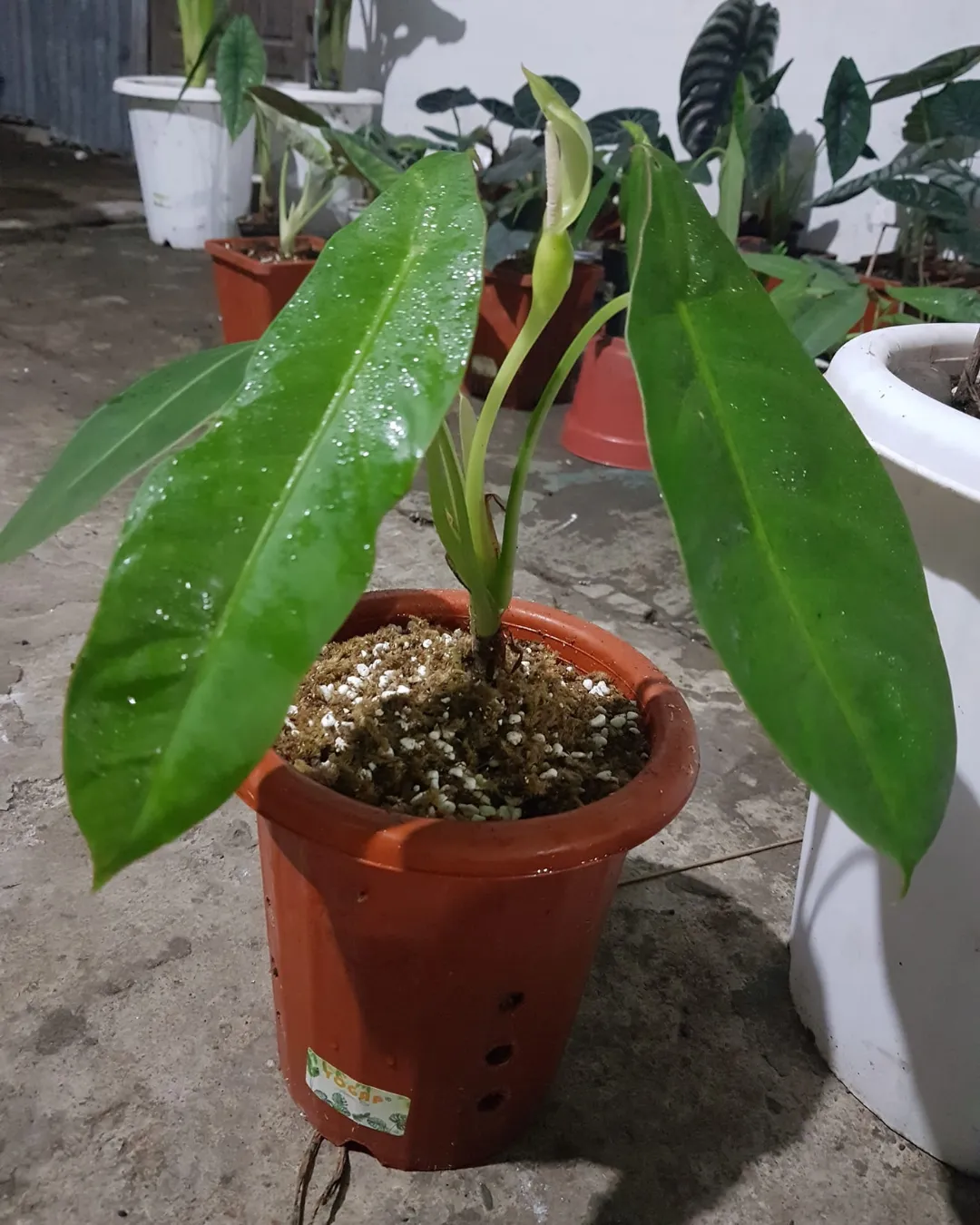
The leaves of Alocasia beccarii are narrowly elliptic to ovate in shape. This means they are longer than they are wide, tapering to gentle points at both ends. Additionally, the leaf blade is peltate — the stem connects to the underside of the leaf near its centre, not at the base edge as in most other plants. This gives each leaf an elegant, almost levitated appearance.
The leaf surface is leathery and firm. It holds a deep, rich green colour with a smooth finish. Moreover, the venation — the network of veins running through the leaf — is subtle. Only the central vein (the midrib) is clearly visible, giving the leaf a clean, uncluttered look. This is one key feature that distinguishes Alocasia beccarii from closely related species such as Alocasia peltata.
Stems are short and condensed, forming a compact rosette at soil level. Consequently, the plant suits terrariums, indoor plant displays, and small-space collections perfectly.
Flower and Fruit Alocasia beccarii
Alocasia beccarii produces an inflorescence — the flowering structure — typical of all plants in the Araceae family. The flower consists of two main parts. First, there is the spathe — a hood-like modified outer leaf — which is narrowly oval in shape and slightly curved. Second, inside the spathe grows the spadix — a slim central spike packed with tiny flowers. The spadix is shorter than the spathe and produces a pale apricot-coloured tip called the appendix.
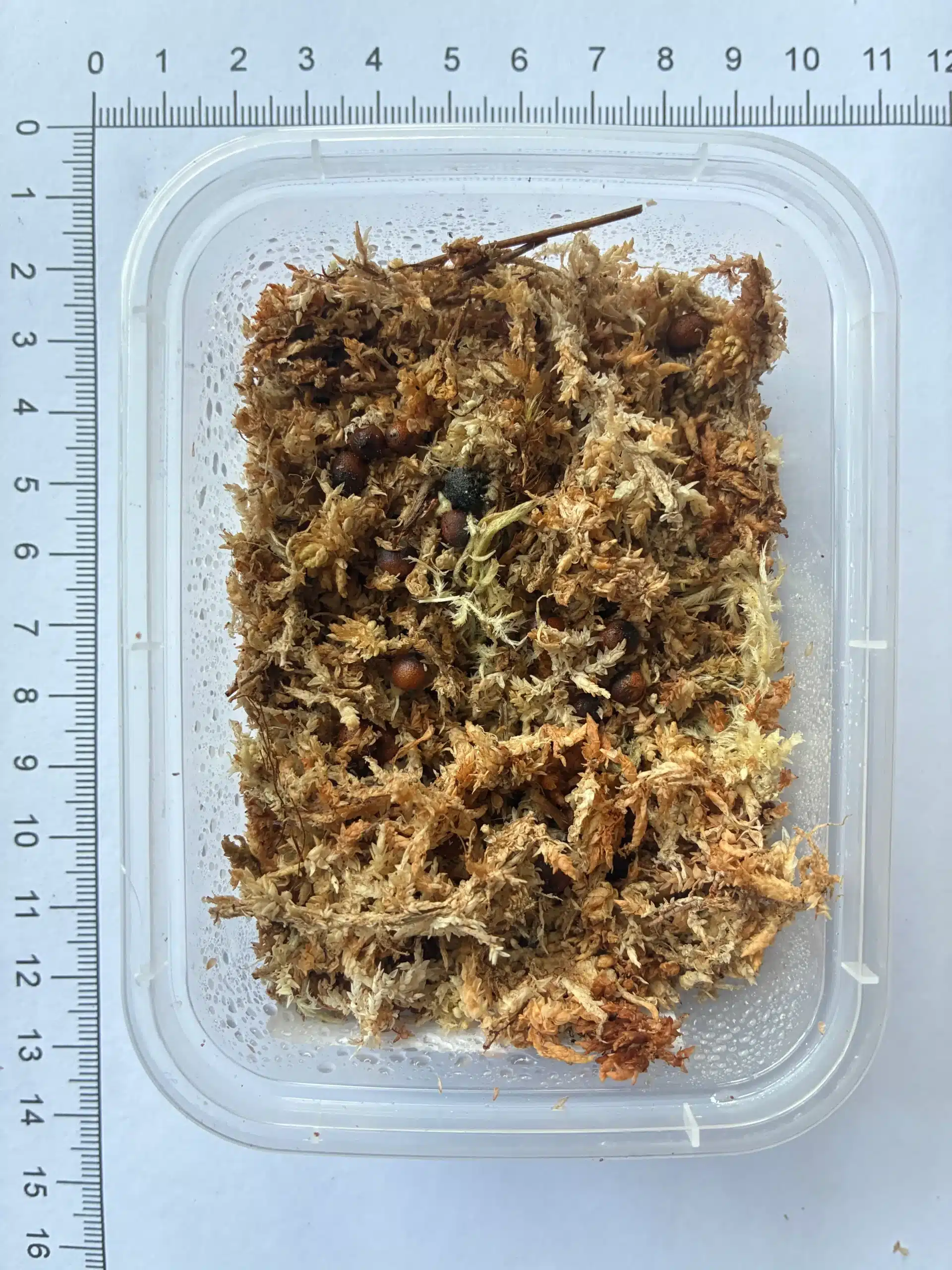
Female flowers mature first, before the male flowers open. This prevents self-pollination and ensures genetic diversity. After flowering, the plant produces ripe fruit that turns a bright orange to orange-red. These small, colourful berries contain the seeds. Fresh seeds offer the best germination results.
Additionally, the entire plant contains calcium oxalate crystals in its tissues. These crystals make the plant mildly toxic if ingested. Keep it out of reach of pets and small children.
Dormancy Cycle
Alocasia beccarii follows a natural dormancy cycle. When temperatures drop or light levels decrease — typically in autumn and winter in the Northern Hemisphere — the plant reduces leaf production. It may shed existing leaves and enter a resting period. Primarily, the underground corm — a small, rounded storage structure similar to a bulb — keeps the plant alive during this phase.
Moreover, dormancy is not death. It is a normal and healthy part of the plant’s life cycle. Consequently, growers should reduce watering during this period. Keep the soil lightly moist, not wet. When spring arrives and warmth returns, the corm sends up new growth quickly and vigorously.
Global Seed Delivery & Phytosanitary Certification
Induare Agro operates as a professional, legally compliant seed exporter based in Indonesia. Furthermore, Induare Agro holds the necessary export licences to ship rare tropical seeds to buyers in over 50 countries worldwide. Every order meets the highest international agricultural and biosecurity standards.
Packaging and Shipping
Induare Agro packs every seed with care. Fresh seeds are cleaned, inspected, and wrapped in moisture-retaining material to maintain viability during transit. Additionally, each package is sealed securely and labelled with full botanical information for customs clearance.
Shipping uses Global Express courier services. Consequently, delivery times are fast — typically 5 to 14 business days depending on the destination country. Moreover, every shipment includes a tracking number so buyers can monitor their order from Indonesia to their door.
Buyer Peace of Mind
Every shipment from Induare Agro includes a Phytosanitary Certificate. This is an official government-issued document that certifies the seeds are free from pests and diseases. Furthermore, it confirms that the export meets the plant health requirements of the importing country.
This certificate is essential for legal import in most countries. Primarily, it protects the buyer from customs delays, seizure, or return of their package. Additionally, it demonstrates that Induare Agro takes its responsibilities as a professional exporter seriously. Consequently, buyers can shop with full confidence — knowing their purchase is legal, safe, and professionally handled from harvest to delivery.
How to Grow Alocasia beccarii
Step 1 — Prepare a Suitable Mix Use a well-draining mix of 50% perlite, 30% coco coir, and 20% fine orchid bark. This combination provides the moisture retention and aeration that Alocasia beccarii roots need.
Step 2 — Sow the Seed Place the fresh seed on top of the moist mix. Press it lightly into the surface without burying it deeply. Cover the container loosely with a clear plastic lid or zip-lock bag to hold humidity.
Step 3 — Maintain Warmth and Humidity Keep the temperature between 25°C and 30°C (77°F–86°F). Additionally, maintain humidity above 70%. A small propagation box or warm windowsill works well for this purpose.
Step 4 — Be Patient Germination typically takes 2 to 6 weeks. Do not let the medium dry out completely. Check for moisture every few days and mist lightly if needed.
Step 5 — Provide Gentle Light Place seedlings in bright, indirect light once the first tiny leaf appears. Furthermore, avoid direct strong sunlight at this early stage. A north- or east-facing window is ideal indoors.
Step 6 — Transplant Carefully Transplant the young plant into its first small pot when it has produced 2 to 3 healthy leaves. Use a snug pot — slightly larger than the root mass. Additionally, water deeply after transplanting and allow the top layer to dry slightly between waterings thereafter.
Step 7 — Feed During Active Growth Apply a balanced liquid fertiliser every 4 to 6 weeks during the active growing season. Primarily, feed only when the plant is actively producing new leaves. Reduce or stop feeding entirely during dormancy.
© Induare Agro — Indonesia’s trusted source for rare exotic seeds. Export quality. Organically grown. Legally certified.
