
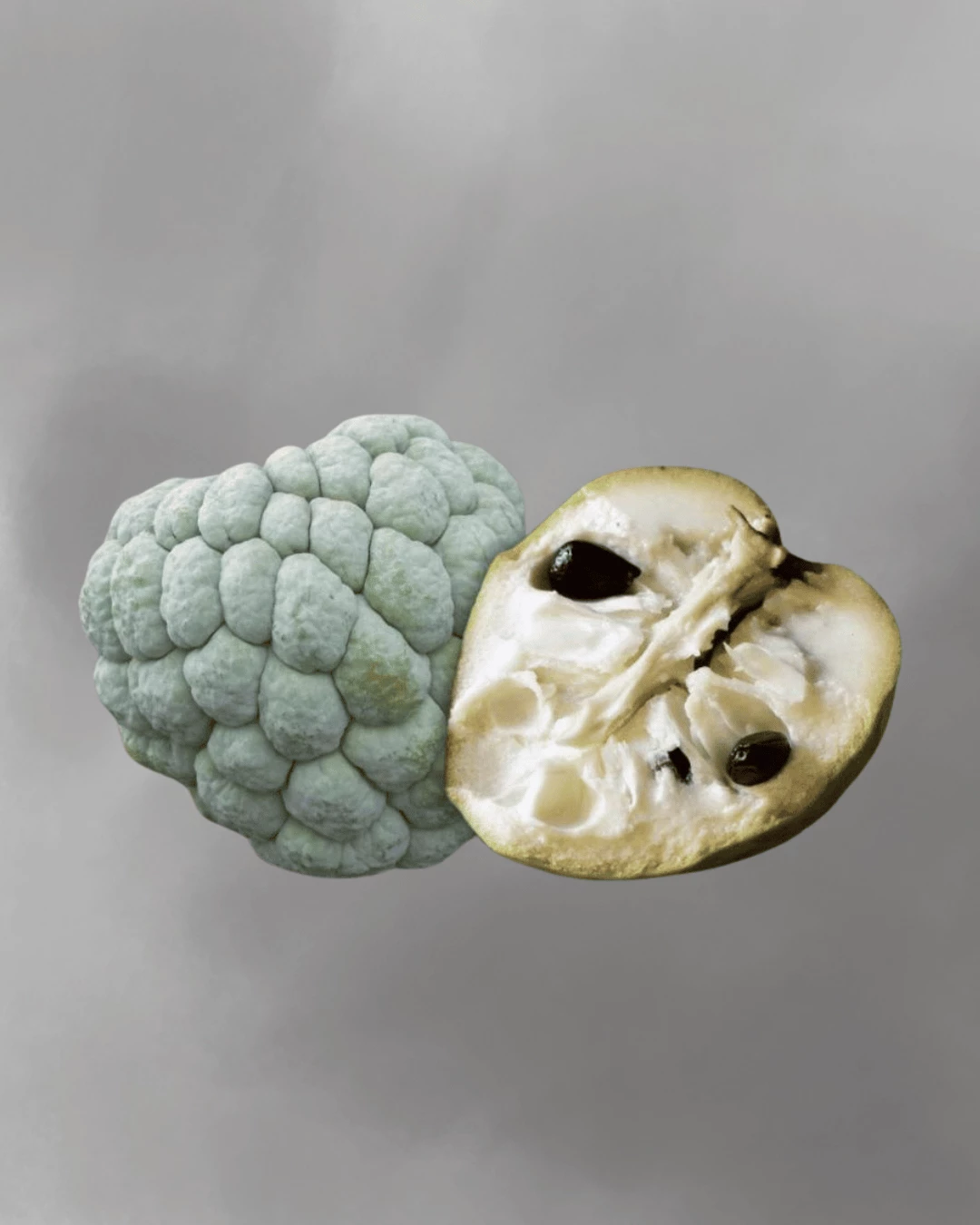
What Is Annona squamosa?
Annona squamosa is the most widely grown fruiting tree in the entire Annonaceae family. It is commonly known as Sweetsop, Sugar Apple, or Custard Apple. The tree originates from lowland Central America and the Caribbean. Furthermore, Spanish traders brought it to Asia via the Philippines in the 16th century. Today, it grows across the tropics — from India and Thailand to Indonesia, Africa, and the Pacific islands.
Growers around the world love this tree for one main reason: its fruit. The fruit has a thick, scaly green rind. Inside, the flesh is soft, white, and incredibly sweet with a custard-like flavour. Consequently, it is one of the most popular tropical fruits in markets across Asia and the Americas. Additionally, the tree begins fruiting in as little as 2 years from seed. This fast turnaround makes it a smart choice for both collectors and home orchardists.
Induare Agro offers fresh, export-quality Annona squamosa seeds. Furthermore, every order ships with a full Phytosanitary Certificate. This means collectors in any country can order with confidence. Induare Agro handles all the export paperwork so the seeds arrive legally and safely.
Aesthetic Features Annona squamosa
Annona squamosa is a small, attractive tree with a relaxed, open shape. It grows 3 to 8 metres tall in the ground. In a large pot, it stays more compact and manageable. The bark is light brown with visible small scars where old leaves once grew. Consequently, even without fruit, the tree has a clean and elegant tropical look.
Leaves
The leaves are oblong and lance-shaped. They measure 7 to 15 cm in length. Additionally, they are dark green on top and pale green underneath. The leaves give off a mild, pleasant scent when crushed. Furthermore, the tree is semi-deciduous — meaning it drops most of its leaves in the dry season. New leaves return quickly at the start of the rainy season.
Flowers and Fruit
The flowers are small and grow alone or in groups of two to four. They appear from the leaf joints — called axils — along the branches. Each flower has three thick, pale green outer petals. Additionally, the flowers release a light, sweet fragrance that attracts beetles for pollination. Consequently, in tropical climates, flowering can occur throughout most of the year.
The fruit is the tree’s most striking feature. It is round to cone-shaped and 5 to 10 cm wide. The outer skin is covered in knobby, scale-like segments — which is where the species name squamosa, meaning “scaly” in Latin, comes from. Furthermore, the skin is pale green to blue-green when ripe and breaks apart easily. The flesh inside is white, soft, and very sweet. It tastes like a mix of vanilla custard and pear. Additionally, each fruit weighs between 100 and 240 grams and contains multiple black seeds.
Growth Habit and Seasonal Cycle
Annona squamosa is a semi-deciduous tree. It loses its leaves in the dry season to save water. Primarily, this rest period is a natural and healthy part of its annual cycle. New growth resumes as soon as moisture and warmth return. Furthermore, the tree is self-fertile — meaning one tree can produce fruit on its own without a second plant nearby. Consequently, it is an ideal choice for growers with limited space.
Global Seed Delivery & Phytosanitary Certification
Induare Agro is a professional seed exporter based in Indonesia. The company supplies rare and tropical seeds to collectors, growers, and botanical institutions in more than 50 countries. Furthermore, Induare Agro follows a strict and fully legal export process for every single order. No shortcuts are taken — from seed selection to final delivery.
Packaging and Shipping
Induare Agro wraps every seed in moisture-control material before packing. Cushioned express packaging protects the seeds from damage in transit. Shipments go out via Global Express couriers such as DHL and EMS. Additionally, most international orders arrive within 5 to 14 business days. Furthermore, every parcel includes the official Phytosanitary Certificate. This certificate is issued by Indonesia’s Plant Health Authority. Consequently, it confirms the seeds are clean, pest-free, and safe for import. It meets the customs requirements of the EU, USA, UK, Australia, Japan, and most other regulated markets.
Buyer Peace of Mind
Induare Agro believes in full transparency. Every order comes with a commercial invoice and all required export documents. Furthermore, this makes customs clearance fast and simple for the buyer. Additionally, the Induare Agro team is available for after-sales support. Primarily, the goal is to ensure every customer grows their seeds successfully — from first sprout to first harvest.
How to Grow Annona squamosa
Annona squamosa is one of the easier tropical trees to grow from seed. Furthermore, it adapts well to containers, garden beds, and tropical to subtropical climates. Follow these steps for the best results.
Step 1 — Seed Preparation Soak the seed in warm water (25–30°C) for 2 to 3 days before planting. Additionally, this softens the hard outer coat and speeds up the sprouting time considerably.
Step 2 — Growing Medium Use a light, well-draining mix: 50% potting soil, 30% coarse sand or perlite, and 20% compost. Consequently, this provides the drainage and nutrients the seedling needs in its early weeks.
Step 3 — Sowing Plant the seed about 2 cm deep in a pot with drainage holes at the bottom. Furthermore, keep the soil moist — but not wet — throughout the full sprouting period.
Step 4 — Temperature Keep the temperature between 22°C and 32°C for best results. Primarily, warm and stable conditions are the single most important factor for successful germination.
Step 5 — Light Place the pot in a warm spot with bright, indirect light. Additionally, once the seedling is established, move it to a position with full sun. This tree needs at least 6 hours of direct sun per day to fruit well.
Step 6 — Watering Water the plant regularly but avoid overwatering. Let the top 2–3 cm of soil dry out between waterings. Furthermore, never allow the pot to sit in standing water, as this causes root rot quickly.
Step 7 — Dry Season Care Reduce watering in the dry season when the tree drops its leaves. Consequently, this supports the natural rest cycle and prepares the tree for the next flowering period. Resume normal watering when new growth appears.
Step 8 — Feeding and Fruiting Apply a balanced organic fertiliser (NPK 10-10-10) every 4 to 6 weeks during the growing season. Additionally, switch to a phosphorus-rich feed when flower buds begin to form. This helps the tree set more fruit and improves fruit quality.
© Induare Agro — Indonesia’s professional rare seed exporter.
