
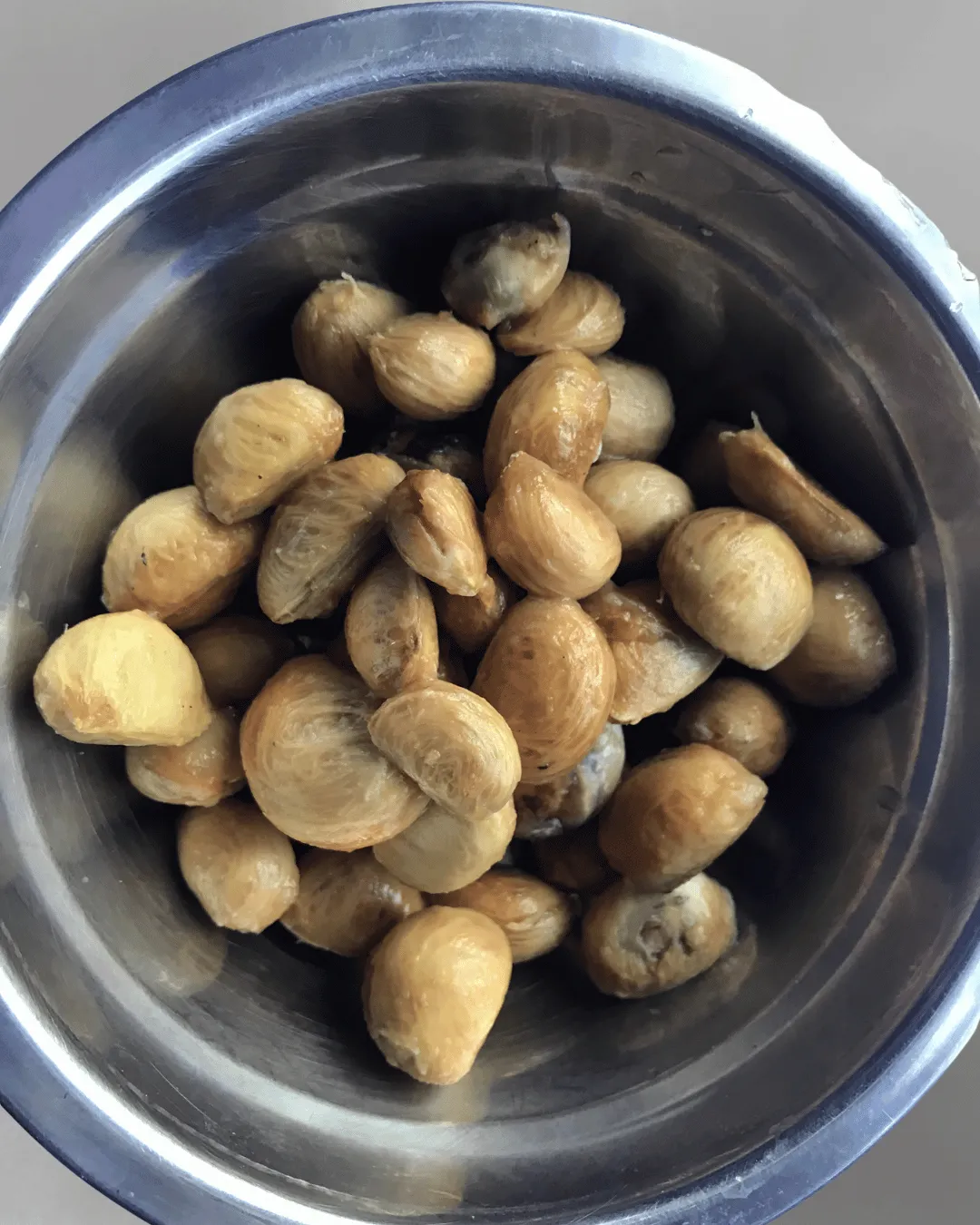
What Is Casimiroa edulis?
Casimiroa edulis is a rare and prized evergreen fruit tree. It belongs to the Rutaceae family — the same family as citrus. People commonly call it White Sapote, Mexican Apple, or Zapote Blanco. This remarkable tree originates from the highlands of central Mexico and Central America, growing naturally from Mexico south through Guatemala, Honduras, El Salvador, and Nicaragua.
In its native highland habitat, Casimiroa edulis thrives at elevations above 600 metres. It grows in warm subtropical climates with well-drained soils. Furthermore, it has adapted to a wide range of environments, from tropical highlands to Mediterranean-style climates. Today, collectors and growers cultivate it across Southeast Asia, India, Australia, New Zealand, and South Africa.
This plant is genuinely rare outside its native range. Consequently, seeds are difficult to source legally and with full export documentation. Induare Agro offers one of the few legitimate, certified global sources for this extraordinary species. Additionally, its dual appeal — as a productive fruit tree and a beautiful ornamental — makes it a must-have for high-end collections. Moreover, its long lifespan of 40–150 years means it is a living investment that rewards patience.
Aesthetic Features Casimiroa edulis
Casimiroa is visually striking at every stage of growth. From its glossy foliage to its creamy fruit, every part of this tree commands attention. The following sections describe its most distinctive physical traits.
Leaf Structure
The leaves of Casimiroa edulis are large and compound. Each leaf has 3 to 7 narrow, lance-shaped leaflets joined at a central stalk. Furthermore, new growth flushes with a beautiful copper-red or reddish hue. Primarily, the mature leaves are a deep, glossy green. Each leaflet grows 10–18 cm long and 2–3 cm wide. Additionally, the dense canopy provides excellent shade, making this tree a valued ornamental in gardens and estates.
Flower and Fruit
The flowers are small and clustered in large groups of 20 to 80 blooms. Consequently, when the tree flowers, it creates an impressive display. The petals are greenish-yellow and tiny — about 10 mm across each. Moreover, the tree may bloom several times per year in warm climates.
The fruit is the true showpiece of this species. It is round, smooth-skinned, and grows 7–12 cm in diameter — roughly the size of a baseball or apple. Furthermore, the skin colour ranges from bright green to golden yellow at full ripeness. The flesh inside is white and creamy with a rich, custard-like texture. Many describe the flavour as a blend of banana, vanilla, and peach. Additionally, each fruit contains 1 to 5 large seeds.
Growth Habit and Canopy
Casimiroa edulis is an evergreen tree in warm climates. It grows 8 to 16 metres tall with a broad, spreading canopy. The branches are wide and often slightly drooping, giving the tree a graceful silhouette. Primarily, it grows at a medium to fast rate when given the right conditions. Furthermore, mature trees can produce hundreds of kilograms of fruit each year. Consequently, it is both a highly productive and aesthetically impressive specimen.
Global Seed Delivery & Phytosanitary Certification
Induare Agro is committed to professional, legal, and safe seed export worldwide. We understand that international buyers need full confidence before placing an order. Moreover, we know that plant import regulations vary by country. That is why we provide complete documentation with every shipment.
Packaging and Shipping
Every Casimiroa edulis seed is carefully selected for freshness and viability. Furthermore, we pack each seed using moisture-controlled, protective materials. This ensures seeds arrive in the best possible condition for germination. Additionally, all orders ship via Global Express courier for fast and reliable delivery. Consequently, buyers in Asia, Europe, Australia, the Americas, and beyond receive their seeds quickly. Moreover, tracking is available for every shipment so you always know where your order is.
Buyer Peace of Mind
Induare Agro provides a Phytosanitary Certificate with every export order. A Phytosanitary Certificate is an official government-issued document. It confirms that the seeds have been inspected, are free from pests and diseases, and meet the import standards of the destination country. Furthermore, this certificate is issued by Indonesia’s relevant plant health authority. Consequently, buyers can clear customs with confidence in most countries. Additionally, our team is experienced with export requirements and can assist buyers with any documentation questions. Moreover, Induare Agro sources all seeds ethically and legally, supporting sustainable botanical trade from Indonesia.
How to Grow Casimiroa edulis
Follow these steps for the best results when growing your White Sapote from seed.
Step 1 — Prepare the Seed Casimiroa edulis seeds have a firm outer shell. Lightly scratch or sand the outer coat to improve water uptake and speed up germination. This process is called scarification.
Step 2 — Choose the Right Growing Mix Use a light, well-draining seed-starting mix. Add perlite or coarse sand to improve drainage. Casimiroa edulis does not tolerate waterlogged soil.
Step 3 — Sow the Seed Plant the seed 2–3 cm deep in a small pot with drainage holes. Keep the soil consistently moist but never soggy. Sow seeds within 2–3 weeks of receiving them, as viability declines over time.
Step 4 — Provide Warmth and Light Maintain a soil temperature of 21–24°C (70–75°F) for best germination results. Place the pot in a warm, bright location with indirect light. Expect germination within 2 to 8 weeks.
Step 5 — Transplant the Seedling Once the seedling reaches 10–15 cm tall, transplant it into a larger container or a garden bed. Choose a sunny, wind-protected spot with deep, well-draining soil. Primarily, aim for a soil pH between 5.5 and 7.5.
Step 6 — Ongoing Care Water deeply but allow the soil to partially dry between waterings. Furthermore, apply organic mulch around the base of the tree. This retains moisture and reduces weeds. Additionally, remove all flowers in the first year to build a stronger root system. Protect young trees from temperatures below 0°C.
Step 7 — Fertilising Feed the tree with a balanced organic fertiliser every 2–3 months during the growing season. Nitrogen-rich feeds promote healthy leaf and stem growth. Moreover, minor nutrient needs can be treated the same way as citrus trees.
Step 8 — Patience and Reward Seed-grown trees typically begin fruiting after 6–8 years. Grafted trees fruit earlier, in 3–4 years. Consequently, this is a long-term investment for serious collectors. Furthermore, a healthy mature tree can produce fruit for over a century.
