
What Is Diospyros digyna?
Diospyros digyna is one of the most extraordinary fruit trees on earth. Collectors and growers widely know it by its famous common name, the Black Sapote. It originates from the tropical coasts of Mexico, Central America, and Colombia. The tree grows naturally in lowland forests and alluvial valleys, where the climate is warm and humid year-round.
Furthermore, the Spanish carried this rare species to the Philippines before 1692. From there, it slowly spread to parts of Southeast Asia, the Caribbean, and beyond. Today, Diospyros digyna remains little known outside a small circle of serious growers. Consequently, its seeds are in high demand from collectors around the world, especially in countries like Indonesia where rare exotic plants thrive in the tropical climate.
Additionally, the name Diospyros comes from Greek and means “divine fruit.” That name alone hints at how special this tree truly is. The Black Sapote belongs to the Ebenaceae family — the same family as persimmons and ebony trees. It stands as one of the most unique and sought-after rare exotic seeds available on the global botanical market today.
Aesthetic Features Diospyros digyna
Induare Agro selects only the finest specimens. Understanding the plant’s physical traits helps collectors appreciate its true value.
Leaf Structure
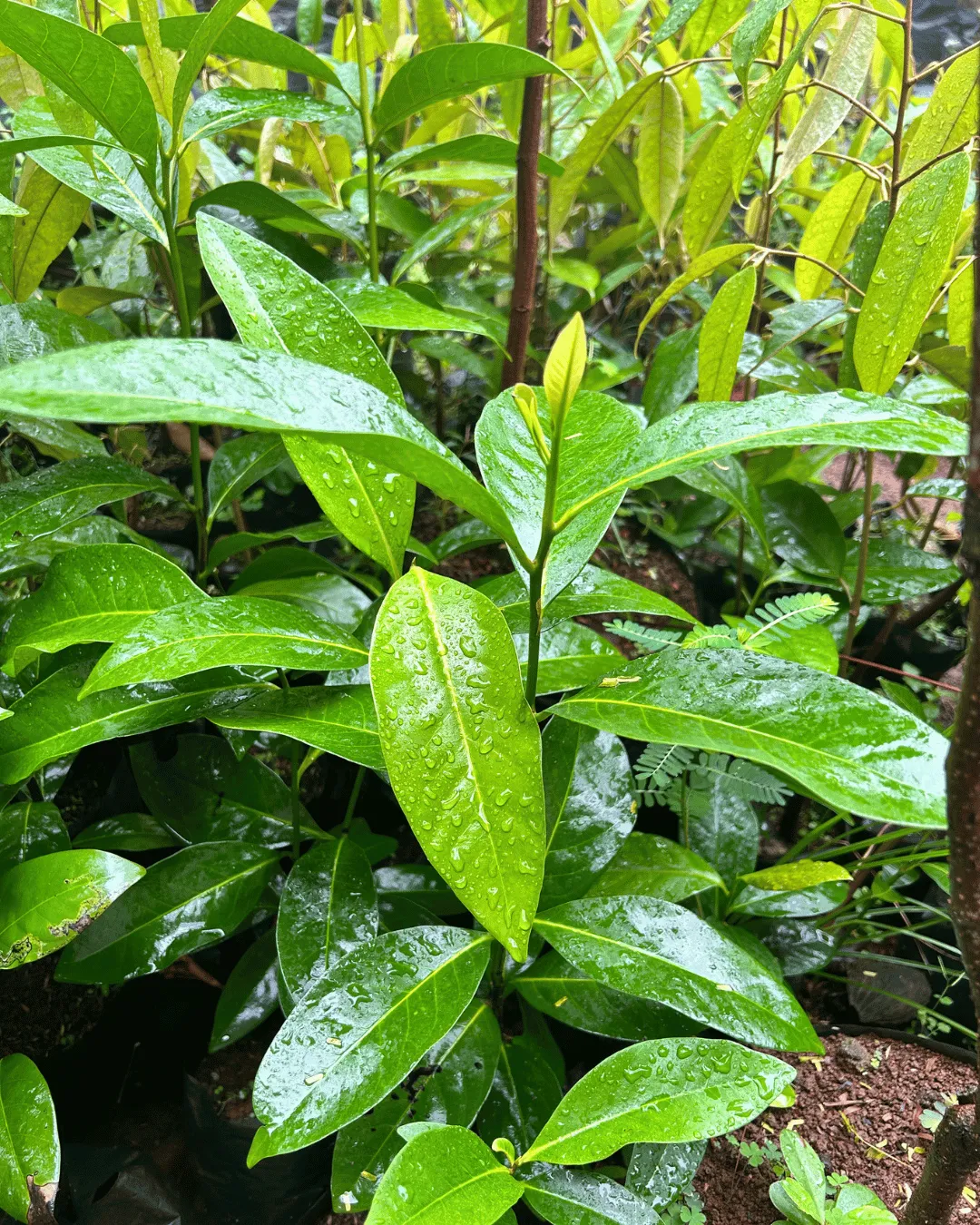
The leaves of Diospyros digyna are broad, glossy, and deep green. Each leaf feels firm and waxy to the touch. The tree grows an evergreen, dense canopy. It holds its leaves throughout the year in warm tropical climates. Furthermore, the leaves are oblong in shape and can reach up to 30 cm in length. Their glossy surface gives the tree a lush, ornamental quality. This makes it attractive even before it sets fruit.
Flower and Fruit
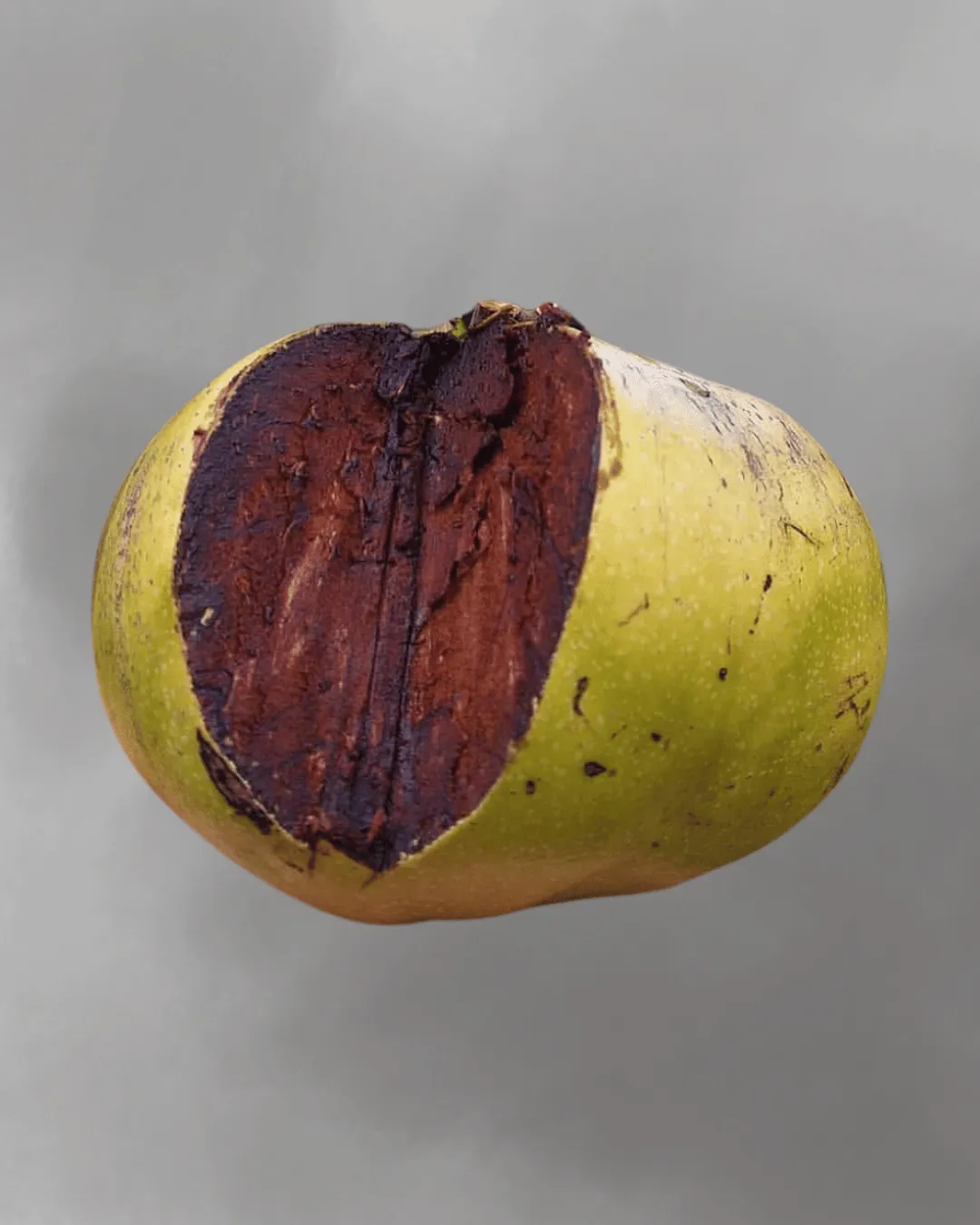
The flowers are small, white, and tubular. They appear along the branches and produce a faint sweet scent. Additionally, the plant is dioecious — this means it has separate male and female trees. Both are needed for fruit production from seed. The fruit is the true star. It looks similar to a round green tomato when unripe. Primarily, its skin turns very dark green to near-black as it fully ripens. Inside, the flesh is rich chocolate-brown to black in color. It has a soft, pudding-like texture and a naturally sweet, chocolate-like flavor. Consequently, many people call it the “Chocolate Pudding Fruit.” The fruit is high in Vitamin C, potassium, and dietary fiber.
Tree Form and Growth
Diospyros digyna grows as a large, spreading evergreen tree. It can reach 10 to 25 metres in height at full maturity. Moreover, it develops a rounded, globe-shaped canopy. The bark is dark and furrowed. The tree grows slowly in its first three to four years. After that, growth speeds up considerably. It can tolerate short periods of flooding. Additionally, it adapts well to a range of soil types — from sandy loam to clay. It does best below 600 metres elevation in full sun.
Global Seed Delivery & Phytosanitary Certification
Induare Agro takes great pride in offering export-quality seeds. Every order ships with full legal documentation.
Packaging and Shipping
Induare Agro packs all seeds with professional care. We use moisture-proof materials and protective cushioning for every shipment. Furthermore, all orders ship via Global Express courier for fast and safe delivery. Primarily, we ship to collectors, botanical gardens, and research institutions worldwide. Seeds leave our facility in export-ready condition. We keep seeds fresh and viable throughout the entire shipping process.
Buyer Peace of Mind
Every order from Induare Agro includes a valid Phytosanitary Certificate. This is an official plant health document issued by the Indonesian government. Consequently, your seeds comply with international plant import regulations. Customs clearance becomes far smoother with this certificate in hand. Additionally, we provide full tracking information for every shipment. Our team is available to assist with import queries at any time. Primarily, our goal is to ensure your seeds arrive safely, legally, and ready to plant.
How to Grow Diospyros digyna
Follow these steps for the best germination results from your Diospyros digyna seeds.
Step 1 — Prepare Your Seeds Soak fresh seeds in lukewarm water for 12 to 24 hours before planting. This softens the outer seed coat and encourages faster, more even germination.
Step 2 — Choose the Right Growing Mix Fill a small pot with a well-draining seed mix. A blend of coco peat, perlite, and organic compost works very well.
Step 3 — Sow the Seeds Place the seed about 1–2 cm deep into the moist growing mix. Keep the soil consistently moist, but never waterlogged.
Step 4 — Provide Warmth and Light Maintain a soil temperature of 25–30°C for best results. Place the pot in a warm, bright spot out of direct harsh midday sun.
Step 5 — Wait for Germination Seeds typically germinate within 2 to 8 weeks under ideal conditions. Be patient — fresh seeds perform significantly better than stored ones.
Step 6 — Transplant Outdoors Once the seedling reaches 15–20 cm in height, move it to a larger container or a sunny outdoor plot. Space trees at least 8–10 metres apart for mature growth.
Step 7 — Long-Term Care Water regularly during dry periods, especially while the tree is young. Apply a balanced organic fertilizer every two to three months. Seedling trees typically begin to fruit within five to seven years.
