
What Is Musa ingens?
Musa ingens is the scientific name for the Giant Highland Banana — the world’s largest herbaceous plant. It belongs to the family Musaceae and grows natively in the tropical montane rainforests of New Guinea. Specifically, it thrives in the Arfak Mountains region of West Papua, Indonesia. Plants grow at elevations between 1,200 and 2,000 meters above sea level. The species was unknown to Western science until 1960. Archaeological evidence shows it has existed in the New Guinea highlands for at least 10,000 years.
Musa ingens is not a common banana. It is a wild, non-edible species in its own botanical section, Ingentimusa. This classification sets it apart from all cultivated banana hybrids. Consequently, it attracts serious interest from botanical gardens, collectors, and researchers worldwide. Its seeds rarely reach the international market. Furthermore, sustainable wild collection requires expert knowledge and careful handling. Induare Agro sources these seeds responsibly from certified collectors in Indonesia.
The name ingens comes from Latin and means “huge” or “immense.” Additionally, locals in New Guinea call the plant Oem. This plant holds a unique position in botanical history. Moreover, it represents one of Indonesia’s most extraordinary native species. Obtaining genuine, fresh seeds of Musa ingens is a rare opportunity for any serious plant enthusiast.
Aesthetic Features Musa ingens
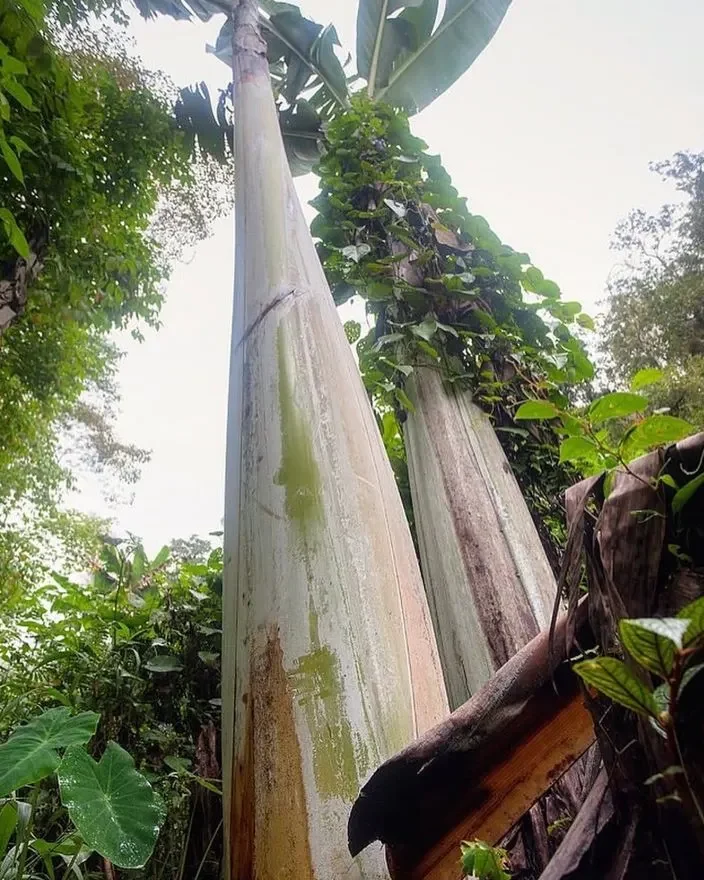
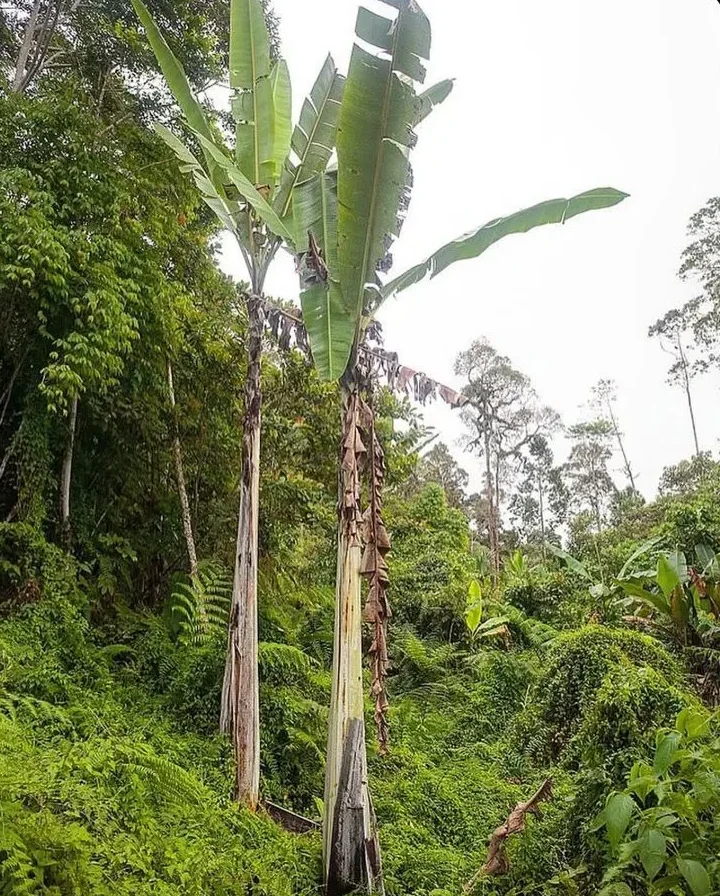
The visual presence of Musa ingens is unlike any other plant on earth. It reaches a total height of up to 20 meters (66 feet). This makes it taller than a six-story building. Every part of this plant is extraordinary in scale and structure. Primarily, its sheer size defines it. Additionally, its individual features each set world records.
Leaf Structure
The leaves of Musa ingens are among the largest of any plant in the world. Each leaf can grow up to 5 meters (16 feet) long and 1 meter (39 inches) wide. The leaves are deep green, waxy, and paddle-shaped. They emerge from a tightly rolled central column. This column is technically a pseudostem — a false trunk made entirely of tightly overlapping leaf bases (the rolled-up stalks of older leaves). The pseudostem can reach 15 meters (49 feet) tall and 2 meters (6.5 feet) in circumference. Furthermore, the petioles — the individual leaf stalks — are the longest of any known plant species. A waxy coating covers each leaf surface. Consequently, this coating helps the plant manage moisture in its cool, misty highland environment.
Flower and Fruit
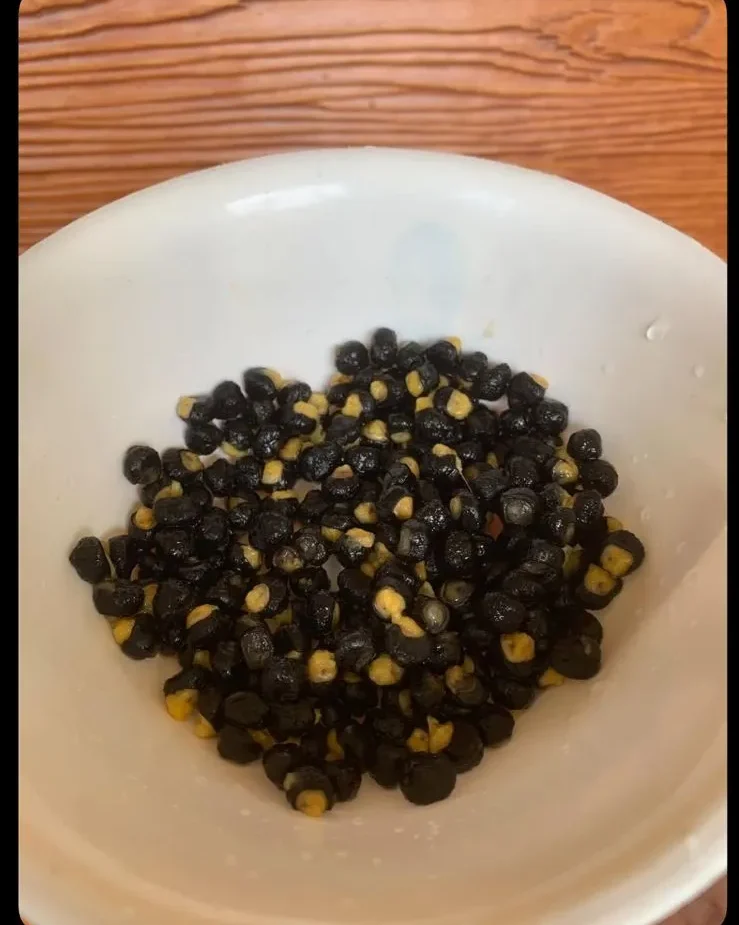
Musa ingens produces a large, hanging flower structure at the top of its pseudostem. The flower head is robust and heavy. After pollination, it develops into a massive fruit cluster. This cluster — sometimes called a bunch — can contain up to 300 individual fruits. Moreover, a single bunch can weigh up to 60 kilograms (132 pounds). Each fruit measures about 18 to 30 centimeters long. The flesh is yellow and mildly flavored with a slight sourness. The fruits contain hard, brownish seeds, similar in appearance to those in wild Cavendish relatives. Additionally, the seeds are embedded firmly in the yellow pulp. The fruit is edible and has historically been consumed cooked, similar to plantain. Primarily, however, Musa ingens is valued for its extraordinary ornamental and scientific qualities rather than for food.
Plant Scale and Structure
The overall scale of this plant is its most defining feature. Its pseudostem alone rivals the height of a four-story building. Furthermore, the overlapping leaves create a stable, self-supporting column without any woody tissue. The root system is deep and extensive. It anchors the plant firmly even in steep ravines and highland swamps. Consequently, the plant withstands highland storms and high rainfall with ease. The peduncle — the stalk that supports the fruit bunch — is thick and robust. It supports the full weight of a 60-kilogram bunch without bending. This combination of scale, structure, and resilience makes Musa ingens a true botanical world record holder.
Global Seed Delivery & Phytosanitary Certification
Induare Agro is a professional Indonesian plant exporter. We follow all national and international regulations for plant export. Moreover, we understand that collectors and institutions worldwide need legal, safe, and traceable deliveries. Every order we fulfill meets the highest standards of phytosanitary compliance.
Packaging and Shipping
Seeds are carefully selected at peak freshness. Furthermore, each seed is individually inspected before packing. We use moisture-controlled, protective packaging to preserve seed viability during transit. All shipments travel via Global Express courier services. Consequently, delivery times are fast and trackable in real time. We ship to most countries worldwide. Additionally, each shipment includes full export documentation issued by Indonesian phytosanitary authorities. This ensures smooth customs clearance in your destination country.
Buyer Peace of Mind
Every order from Induare Agro includes a Phytosanitary Certificate. This is an official government-issued document. It certifies that the seeds are free from pests and diseases. Moreover, it confirms that the export meets the plant health standards of both Indonesia and the destination country. Additionally, Induare Agro provides full tracking details for every shipment. Furthermore, our team is available to assist with any customs or import queries. Primarily, our goal is to ensure your seeds arrive safely, legally, and in perfect condition. Collectors from Europe, North America, Asia, and beyond trust Induare Agro for reliable, professional service.
How to Grow Musa ingens
Musa ingens requires cool highland conditions. It does not thrive in hot tropical lowlands. Follow these steps carefully for the best results.
Step 1 – Scarify the Seed Gently sand or nick the hard outer seed coat with fine sandpaper. This process — called scarification — helps water enter the seed and speeds up germination. Do this carefully and avoid damaging the interior of the seed.
Step 2 – Soak the Seed Soak the scarified seed in warm water at 25–28°C for 24 to 48 hours. Change the water once every 12 hours. This softens the seed coat further and signals the seed to begin growing.
Step 3 – Prepare Your Growing Medium Fill a small pot with a well-draining mix. Use equal parts peat, coarse sand, and perlite. This mix retains just enough moisture while preventing waterlogging. Furthermore, good drainage is critical to prevent seed rot.
Step 4 – Sow the Seed Plant the seed about 1–2 centimeters deep in your prepared mix. Place the pot in a bright location with indirect light. Avoid deep shade — Musa ingens needs light to germinate. Additionally, avoid direct harsh afternoon sun at this stage.
Step 5 – Maintain Ideal Temperature Keep daytime temperatures between 22–28°C. Importantly, cool nights between 15–18°C are essential. This day-night temperature difference mimics the plant’s natural highland habitat. Consequently, it stimulates successful germination and early growth.
Step 6 – Water Consistently Keep the growing medium evenly moist — not waterlogged. Water gently from the side or base. Moreover, maintain high humidity around the seedling tray. A clear plastic dome or propagation cover works well for this.
Step 7 – Be Patient Germination can take 4 to 12 weeks. Furthermore, seeds from the same batch may sprout at different times. Do not discard the pot prematurely. Additionally, once the seedling emerges, begin feeding with a diluted, balanced organic fertilizer every two weeks.
