
What Is Octamyrtus glomerata?
Octamyrtus glomerata is one of the rarest trees on Earth. It belongs to the Myrtaceae family — the same family as guava, eucalyptus, and cloves. Furthermore, it is native to the dense wet tropical rainforests of New Guinea. In Indonesia, it grows in the province of West Papua — one of the most biodiverse and least explored regions in the world. The species was first discovered in 1940 by scientists deep inside a remote Papuan rainforest. The original specimen found at that time was already 6 metres tall.
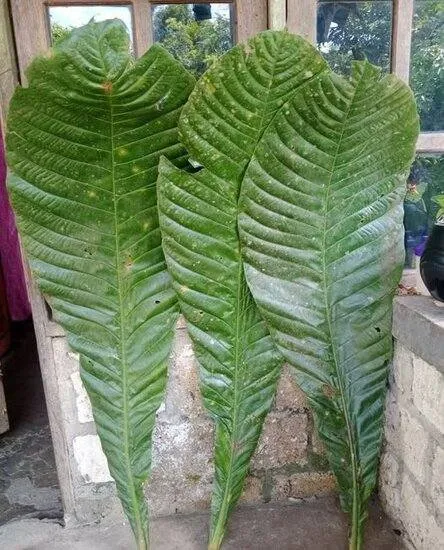
The genus name Octamyrtus refers to a small group of plants found only in New Guinea and the nearby Indonesian province of Maluku. Consequently, this genus is one of the least-known in the entire Myrtaceae family. Octamyrtus glomerata is the most striking species in the group. Additionally, it is the one that collectors prize most highly. Its enormous leaves — which can grow to at least 2 metres in length — make it instantly recognisable. No other tree in the Myrtaceae family produces leaves of this extraordinary scale.
Induare Agro sources fresh seeds of this rare species directly from Papua. Furthermore, every seed ships with a Phytosanitary Certificate and full export documentation. Primarily, this gives collectors worldwide a legal, verified, and direct path to one of Indonesia’s most extraordinary botanical treasures.
Aesthetic Features Octamyrtus glomerata
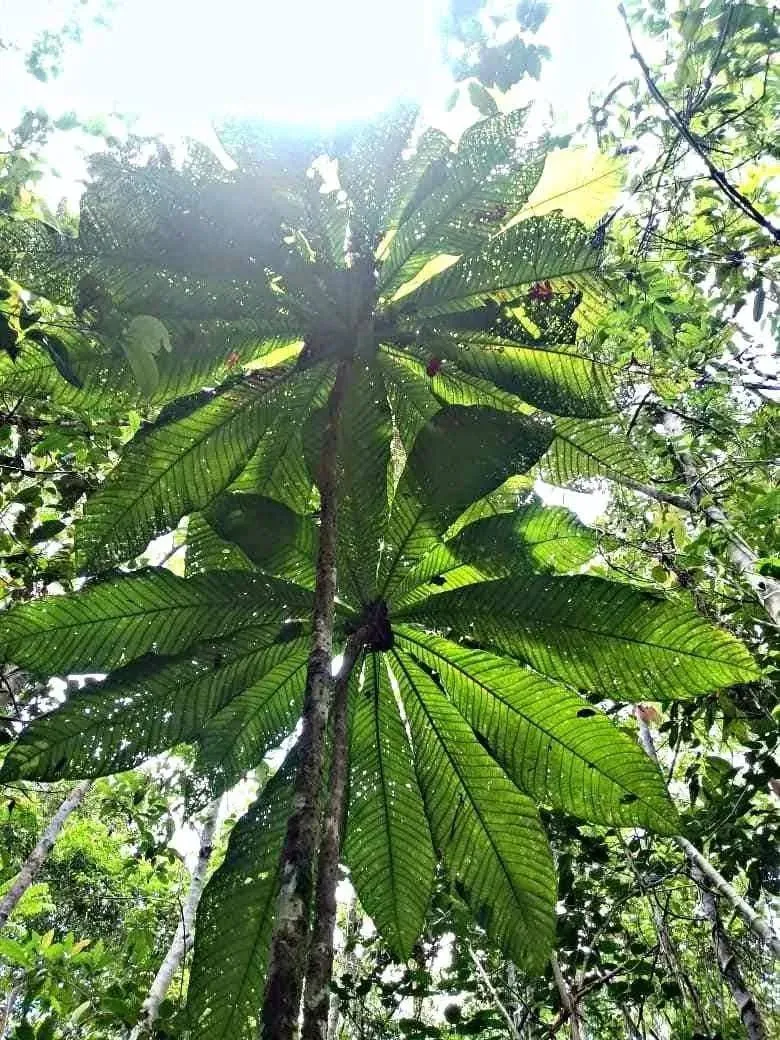
Octamyrtus glomerata is a tree with one of the most dramatic leaf displays of any plant in the tropical world. In the wild, it grows to about 6 metres in height. In cultivation or containers, it stays more compact and manageable. Furthermore, the tree has a strong, upright form with branches that spread outward as the plant matures. The bark is smooth and light to mid-brown.
Leaves
The leaves are the defining feature of this tree. They are enormous — reaching at least 2 metres in length in mature specimens. Furthermore, the shape of each leaf is pear-like — wide toward the outer tip and narrower toward the base. The leaf blade — the flat part of the leaf — completely wraps around and covers the leaf stalk — called a petiole. Consequently, the stalk is hidden inside the base of the leaf, giving the plant a very unusual and seamless look. The leaves grow in the upper part of the tree, creating a bold, tropical canopy overhead.
Additionally, the leaves change colour dramatically as they age. Young leaves are a rich, glossy green. As they mature, older leaves turn vivid red before they fall. Consequently, a single tree can display green and red leaves at the same time — a two-tone display that is visually striking in any garden or collection.
Flowers
The flowers of Octamyrtus glomerata are purple-red in colour. Furthermore, they grow in dense clusters — called glomerules, which gives the species its name glomerata, meaning “clustered.” These clusters appear on older branches, directly beneath the large leaf canopy. Primarily, the flowers are pollinated by birds. This makes the tree a valuable wildlife plant, attracting birds that feed on the nectar. Additionally, each cluster produces multiple small flowers that open together, creating a vivid flush of colour against the dark bark and large green leaves.
Fruit
After flowering, the tree produces small, pink fruits. Furthermore, each fruit contains just one seed. The fruit colour is a soft, warm pink — adding yet another layer of ornamental interest after the flowers fade. Consequently, this tree offers collectors three distinct visual rewards across its yearly cycle: giant green-and-red leaves, clusters of purple-red flowers, and small pink fruits. Additionally, the pink fruiting stage helps collectors identify and harvest seeds at the right time. This makes seed collection from a cultivated specimen both practical and visually guided.
Global Seed Delivery & Phytosanitary Certification
Induare Agro is a professional botanical seed exporter based in Indonesia. The company specialises in rare, hard-to-source Indonesian plant species. Furthermore, Induare Agro ships to collectors, botanical gardens, and plant research institutions in more than 50 countries worldwide. Every order follows a strict, fully documented export process from packaging to delivery.
Packaging and Shipping
Induare Agro wraps every seed carefully in professional moisture-control materials. Cushioned express packaging keeps the seeds safe throughout the entire journey. Shipments go out via Global Express couriers such as DHL and FedEx. Additionally, most international orders arrive within 5–14 business days. Furthermore, every parcel includes an official Phytosanitary Certificate. This document is issued by Indonesia’s Plant Health Authority. It confirms that the seeds are free from pests, disease, and regulated plant pathogens. Consequently, it meets the import requirements of customs authorities in the EU, USA, UK, Australia, Japan, and most other regulated markets globally.
Buyer Peace of Mind
Induare Agro puts full legal compliance first in every order. Every shipment includes the Phytosanitary Certificate and a commercial invoice. Furthermore, this complete documentation ensures smooth, fast customs clearance at every destination. Additionally, the Induare Agro team provides after-sales growing guidance for every buyer. Primarily, the goal is to make sure every collector successfully sprouts their rare Octamyrtus glomerata seed and grows a healthy, thriving specimen from the rainforests of Papua.
How to Grow Octamyrtus glomerata
Octamyrtus glomerata grows best when it receives warm temperatures, indirect light, and consistent moisture. Furthermore, it adapts well to container growing, which makes it suitable for indoor tropical collections, greenhouses, and warm outdoor gardens. Follow these steps closely for the best results.
Step 1 — Seed Preparation Soak the seed in warm water (25–28°C) for 24 hours before planting. Additionally, this softens the outer coat and helps speed up the sprouting process from the very start.
Step 2 — Growing Medium Use a well-draining, moisture-retaining mix: 50% peat or coco coir, 30% perlite, and 20% fine compost. Consequently, this replicates the rich, moist forest floor soil of its Papuan rainforest home.
Step 3 — Sowing Plant the seed just 1–2 cm below the surface in a pot with drainage holes. Furthermore, keep the medium consistently moist — but never waterlogged — throughout the germination period.
Step 4 — Temperature and Humidity Maintain a warm temperature between 22°C and 30°C at all times. Primarily, high humidity — ideally 65–80% — supports fast sprouting and healthy early growth. A plastic humidity dome over the pot works very well during this stage.
Step 5 — Light Place the pot in a warm spot with bright, indirect light. Additionally, this species grows naturally under a dense forest canopy. Avoid direct sunlight, which can scorch the young seedling at this early stage.
Step 6 — Watering Keep the growing medium evenly moist during the germination and early growth stages. Furthermore, spray the leaves of young plants regularly with water to maintain the high humidity the plant prefers. Never let the pot sit in standing water.
Step 7 — Transplanting Move the seedling to a larger container once it reaches 20–25 cm in height. Consequently, more root space gives the plant room to develop its impressive trunk and begin producing large leaves. Use a deep pot to accommodate the strong root system.
Step 8 — Ongoing Care Apply a balanced liquid fertiliser (NPK 10-10-10 or similar) every 4–6 weeks during the active growing season. Additionally, mist the leaves regularly and keep the plant away from cold draughts or dry indoor air. Furthermore, as the tree grows, provide a large, bright indoor space or a warm, sheltered outdoor position to allow its enormous leaves to develop fully.
© Induare Agro — Indonesia’s professional rare seed exporter.
