
What Is Piper nigrum?
Piper nigrum is the scientific name for the Black Pepper plant. It originates from the Western Ghats of Kerala, in southern India — a lush, mountainous rainforest region of extraordinary biodiversity. Botanists and historians trace its cultivation back more than 2,000 years. Additionally, ancient trade routes were built around this single plant. Its dried fruit — the peppercorn — became so valuable in medieval Europe that it was accepted in place of gold coins.
Today, Piper nigrum is commercially grown across tropical Asia, including Indonesia, Vietnam, and Sri Lanka. Furthermore, Indonesia holds a proud legacy as one of the world’s top pepper-producing nations. The islands of Sumatra, Java, and Borneo all have long histories of pepper cultivation. Consequently, sourcing seeds from Indonesia means accessing some of the most vigorous and well-adapted genetic material available. This is not a common grocery-store spice plant. It is a living piece of botanical and economic history — and a truly rare seed experience for the discerning grower.
Aesthetic Features Piper nigrum
The Black Pepper vine is visually striking. Its structure is elegant, architectural, and deeply tropical. Moreover, it adds year-round dramatic greenery to any garden, greenhouse, or indoor botanical display. Below are the key physical features that make this plant so special.
Leaf Structure
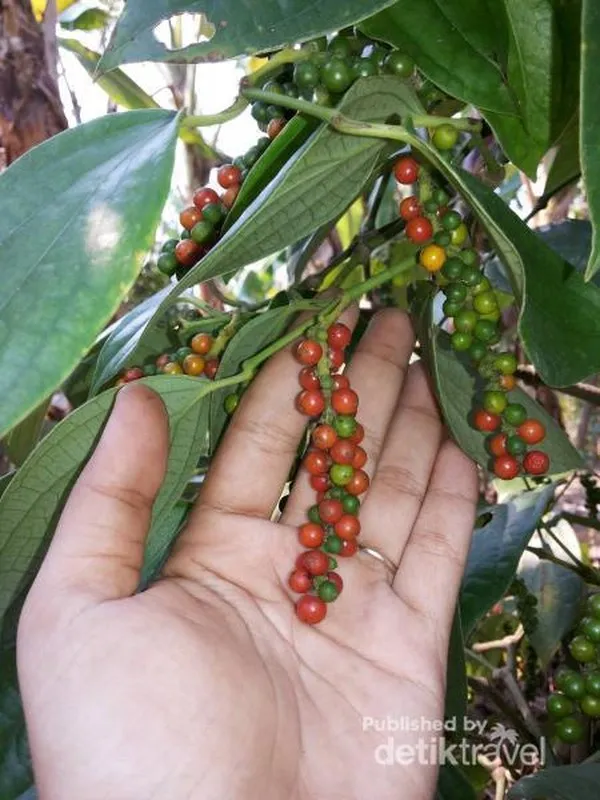
Piper nigrum produces broad, glossy, heart-shaped leaves. Each leaf is thick and leathery with a deep green surface. The leaves are arranged alternately along the vine’s climbing stems. Furthermore, the foliage has a waxy shine that reflects light beautifully. The leaves typically reach 12–18 cm in length. Primarily, they create a lush, dense canopy when the vine is mature and well-supported.
Flower and Fruit
Piper produces small, inconspicuous white flowers. These are arranged on pendulous spikes — long, hanging clusters that dangle from the stem nodes. Each spike carries around 50 tiny blossoms. Additionally, these spikes develop into the iconic peppercorn clusters. The fruit is a drupe — a small, fleshy berry containing one seed. When unripe, the berries are green. Moreover, they turn yellow to red as they mature before being harvested and dried into the familiar black peppercorn.
Vine Habit and Growth Form
Piper nigrum is a vigorous perennial woody climber. It uses aerial roots — small root-like attachments that grip surfaces — to climb trees, poles, and trellises. Primarily, it grows upward to heights of 8–15 metres in its natural habitat. A single, well-established stem can produce 20 to 30 fruiting spikes simultaneously. Consequently, a mature vine becomes a spectacular, productive botanical specimen. It thrives in humid tropical environments and grows actively year-round in the right climate.
Global Seed Delivery & Phytosanitary Certification
Induare Agro is committed to professional, legal, and transparent global seed export. Furthermore, every shipment meets the highest international phytosanitary standards. We do not simply sell seeds — we deliver confidence, documentation, and care.
Packaging and Shipping
Every Piper nigrum seed is carefully selected for freshness and viability. Additionally, seeds are packed using protective, moisture-resistant materials. This keeps them stable and viable throughout long international transit times. Induare Agro ships via Global Express courier services. Consequently, buyers in the United States, Europe, the Middle East, and across Asia receive their orders quickly and reliably. We ship to most countries worldwide, subject to local import regulations.
Buyer Peace of Mind
Each order includes a certified Phytosanitary Certificate issued by Indonesian plant health authorities. This document confirms that the seeds have been officially inspected and are free from pests and diseases. Furthermore, it is required by customs in most countries for plant material import. Additionally, Induare Agro provides full tracking information with every shipment. You can follow your order from our facility to your door. Moreover, our team is available to assist with any import documentation questions. We are your trusted partner for rare, exotic, and export-quality Indonesian botanical seeds.
How to Grow Piper nigrum
Follow these simple steps to germinate and grow your Black Pepper vine successfully.
Step 1 – Soak the Seeds Place the seeds in a bowl of lukewarm water. Soak them for 24 hours. This softens the seed coat and speeds up germination.
Step 2 – Prepare the Growing Mix Use a well-draining tropical mix — coco coir combined with perlite works well. The soil must retain moisture without becoming waterlogged.
Step 3 – Sow the Seeds Plant each seed approximately 0.5–1 cm deep in the moist growing mix. Keep the container in a warm spot with temperatures between 25–30°C.
Step 4 – Maintain Humidity and Light Cover the pot loosely with a plastic bag or dome to trap humidity. Place it in bright, indirect sunlight. Additionally, avoid direct afternoon sun as it may dry out the seedlings.
Step 5 – Wait for Germination Germination typically takes 30–40 days. Furthermore, maintaining consistent warmth speeds up the process. Water lightly whenever the topsoil feels dry.
Step 6 – Transplant and Train Once the seedling reaches 10–15 cm tall, transplant it to a larger pot or garden bed. Provide a trellis, pole, or support structure immediately. Primarily, the vine needs something to climb from an early stage.
Step 7 – Ongoing Care Feed with a balanced organic fertiliser every 4–6 weeks during the growing season. Keep humidity high. Consequently, the plant will reward you with vigorous growth and, in 2–3 years, its first peppercorn harvest.
