
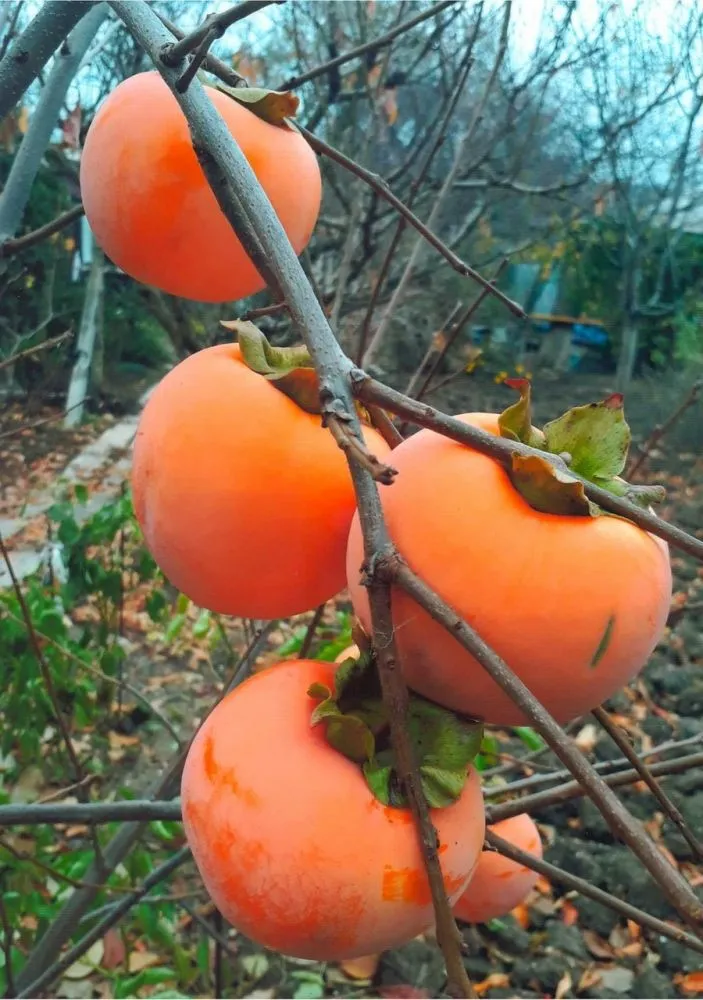
What Is Diospyros kaki?
Diospyros kaki, commonly known as the Kaki Persimmon, is the world’s most widely cultivated persimmon species. It originates from China, where farmers grew it more than 2,000 years ago. Additionally, traders introduced it to Japan in the 7th century and to Korea in the 14th century. Consequently, it holds deep cultural roots across East Asia.
Furthermore, the tree belongs to the Ebenaceae family — the same family as ebony wood. Its genus name comes from the Greek words dios (divine) and pyros (grain), meaning “divine fruit.” This name reflects how prized the tree has been throughout history.
Diospyros kaki is now a rare exotic treasure for collectors outside Asia. Moreover, it is challenging to source as authentic, viable seeds with proper export documentation. Induare Agro bridges this gap. We supply certified, organic seeds directly to international buyers. Primarily, our mission is to connect rare plant enthusiasts with exceptional botanical specimens.
Aesthetic Features Diospyros kaki
Few trees rival the year-round visual drama of Diospyros kaki. Furthermore, its ornamental value alone makes it a standout addition to any rare plant collection. The tree offers a spectacular seasonal transformation — from lush green canopy to fiery autumn colour, and finally to jewel-like orange fruits hanging on bare winter branches.
Leaf Structure
The leaves of Diospyros kaki are broad, stiff, and oval to obovate — egg-shaped with the wider end at the tip. Moreover, each leaf can grow up to 15 cm (6 inches) long. Leaves emerge as a soft yellowish-green in spring. Additionally, they mature to a deep, glossy green through summer. Consequently, in autumn, they turn brilliant shades of gold, orange, and red before falling. This dramatic leaf display makes the tree a favourite subject in classical Japanese and Chinese art.
Flower and Fruit
Diospyros trees produce small, fragrant flowers in late spring. Female flowers appear singly and are creamy white. Furthermore, male flowers are pink-toned and grow in small clusters. The tree is mostly dioecious — meaning male and female flowers grow on separate trees. However, some individual trees carry flowers of both sexes.
After pollination, the fruit develops slowly through summer. Moreover, the fruit is technically a large, fleshy berry — botanically classified as a berry, meaning it develops from a single flower with a fleshy outer layer surrounding the seeds. It ripens to a vivid orange-red in late autumn. Additionally, fruits can weigh up to 500 grams. The thin, waxy skin encases a rich, thick, jelly-like pulp. Consequently, the flavour is sweet, slightly tangy, and deeply complex when fully ripe.
Dormancy Cycle
Diospyros kaki is a deciduous tree — meaning it sheds its leaves each winter as part of its natural rest cycle. Primarily, this dormancy period is what makes the tree so visually dramatic. After leaves fall, vivid orange fruits remain hanging on bare branches like ornaments. Furthermore, this “fruit on bare branches” effect is highly sought after by collectors and landscape designers. Additionally, the dormancy period allows the tree to conserve energy and prepare for a new growing season.
Global Seed Delivery & Phytosanitary Certification
Induare Agro is a professional botanical seed supplier based in Indonesia. Furthermore, we operate with full compliance with international plant trade regulations. Consequently, every order we process meets the strict standards required for legal cross-border seed shipment.
Packaging and Shipping
We ship all seeds via Global Express courier services. Moreover, every shipment includes a Phytosanitary Certificate — an official government-issued document confirming that the seeds are free from pests and diseases. This certificate is required by customs authorities in most countries. Consequently, your seeds pass through international borders smoothly and legally.
Furthermore, we pack each seed carefully to protect viability during transit. We use moisture-controlled, padded packaging designed for long-distance shipping. Additionally, tracking information is provided for every order. Primarily, our goal is to deliver every seed in perfect planting condition.
Buyer Peace of Mind
Induare Agro understands the concerns of international collectors. Moreover, importing rare seeds can feel complicated and uncertain. Consequently, we handle all export documentation on your behalf. Our Phytosanitary Certificate is issued by Indonesia’s official plant quarantine authority. Furthermore, we include clear import guidance with every shipment.
Additionally, our team responds promptly to pre-sale and post-sale inquiries. Primarily, we want every buyer to feel confident and supported throughout the purchasing process. Many of our customers are repeat buyers — a reflection of the trust we have built in the rare plant community worldwide.
How to Grow Diospyros kaki
Growing Diospyros kaki from seed is a rewarding experience for dedicated enthusiasts. Furthermore, the process requires patience, but the results are exceptional. Follow these steps carefully for the best results.
Step 1 — Seed Soaking Soak seeds in warm water for 24 to 48 hours before planting. This softens the seed coat and improves germination rates. Change the water once halfway through soaking.
Step 2 — Stratification (Cold Treatment) Wrap seeds in a damp paper towel and place them in a sealed bag. Store them in the refrigerator at 4–5°C (39–41°F) for 60 to 90 days. This cold treatment — called stratification — mimics the natural winter conditions the seed needs to sprout.
Step 3 — Planting Fill a pot with deep, well-draining loam soil. A pH of 6.5 to 7.5 is ideal. Plant each seed 2–3 cm deep and water gently.
Step 4 — Germination Environment Place the pot in a warm, bright location with indirect sunlight. Keep soil consistently moist but never waterlogged. Germination typically occurs within 4 to 8 weeks.
Step 5 — Seedling Care Once seedlings reach 10 cm tall, move them to a larger pot or a sunny outdoor position. Moreover, protect young plants from frost during their first two winters. Additionally, fertilise lightly with a balanced organic fertiliser in spring and summer.
Step 6 — Long-Term Growth Diospyros kaki grows to 6–9 metres in garden conditions. Primarily, it thrives in subtropical to mild-temperate climates. Furthermore, it is drought-tolerant once established. Expect first fruits within 3 to 6 years from seed.
