
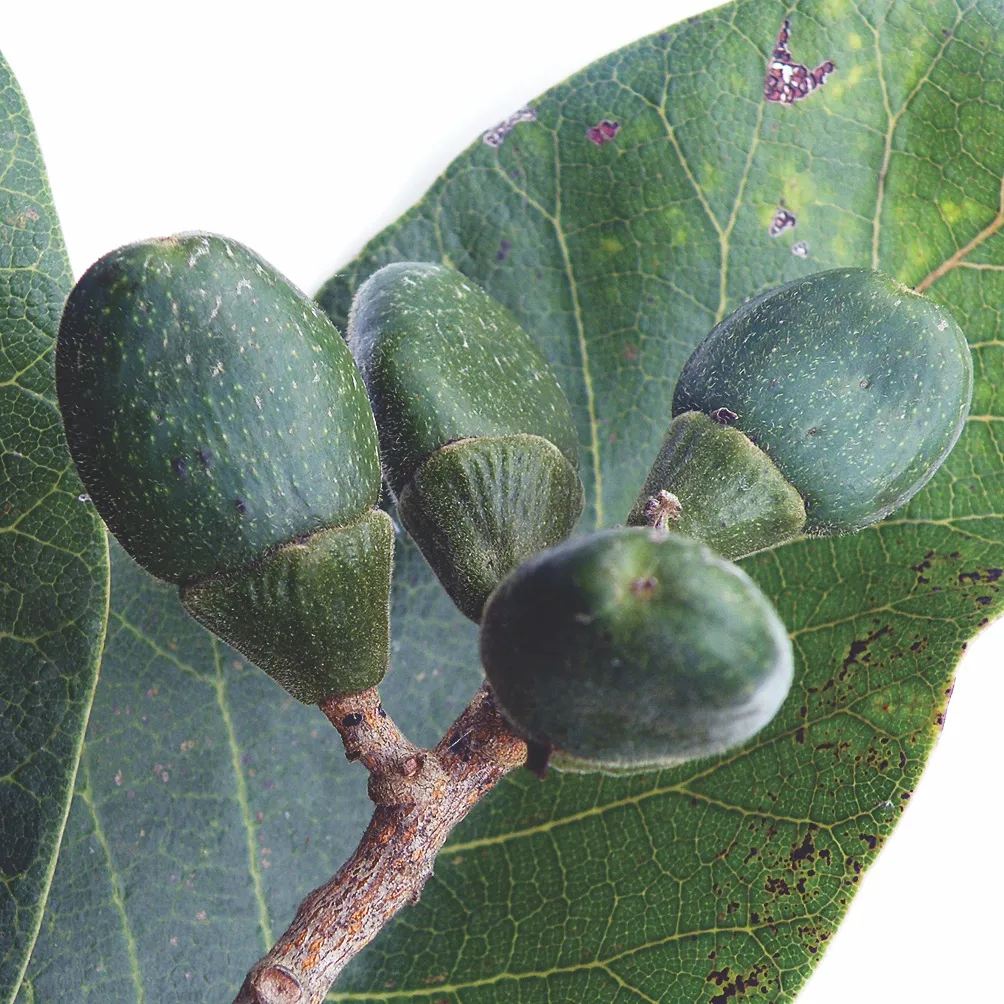
What Is Semecarpus anacardium?
Semecarpus anacardium, commonly known as the Marking Nut tree, is a rare and botanically significant plant native to the tropical forests of South Asia. It originates primarily from India — spanning the outer Himalayas, the Western Ghats, the Eastern Ghats, and down to the Coromandel Coast — and is also found naturally in Sri Lanka. Additionally, it has been introduced into parts of Southeast Asia and Africa, where collectors and ethnobotanists prize it greatly.
This tree belongs to the family Anacardiaceae, making it a relative of the cashew and mango. Furthermore, it holds a celebrated place in Ayurvedic and Siddha medicine traditions that stretch back thousands of years. Historically, craftsmen and launderers used its caustic black fruit juice as a permanent marking ink — hence the common name “Marking Nut.” Moreover, modern scientific research continues to confirm its extraordinary medicinal value.
Semecarpus anacardium is classified as a deciduous tree. Consequently, it sheds some leaves during the dry season and then re-flushes with vigour. Its seeds are difficult to obtain in certified, export-quality form. Moreover, very few international suppliers can offer verified fresh seeds with proper documentation. Induare Agro is one of a select group able to supply these seeds legally and safely to collectors worldwide.
This species is not a plant you find at a local garden centre. Primarily, it is sought by serious botanists, ethnobotanical researchers, and rare plant collectors who understand its deep cultural and scientific importance. Additionally, growing Semecarpus anacardium from seed is a rewarding long-term project that delivers a truly exceptional specimen.
Aesthetic Features Semecarpus anacardium
The visual appeal of Semecarpus anacardium is bold and distinctive. Furthermore, every part of this tree — from its textured bark to its glossy black fruit — offers remarkable character. Collectors who grow this species enjoy watching it develop a commanding presence over time.
Leaf Structure
The leaves of Semecarpus anacardium are large, thick, and leathery in texture. Each leaf is obovate-oblong in shape — meaning it is broadly rounded at the tip and narrows toward the base, similar to a wide paddle. Leaves commonly measure between 15 and 60 cm long and 10 to 30 cm wide.
Furthermore, the upper leaf surface is smooth and glossy. The underside is a soft ashy grey or pale buff tone, lightly covered in fine hairs. Additionally, each leaf displays 12 to 25 pairs of clearly raised veins that fan out in a wide angle from the central midrib. Leaves cluster densely at the tips of branches, giving the tree a lush, tropical canopy appearance. Consequently, the foliage alone makes this tree an impressive ornamental specimen.
Flower and Fruit
Semecarpus trees produce small, dull greenish-yellow flowers in loose branched clusters — known as panicles — that appear from December through June. The flowers are tiny, measuring only 0.6 to 0.8 cm across. Moreover, this species is dioecious — meaning each tree is either male or female — so both sexes are needed for fruit production.
The fruit is the true showpiece of this species. It is a drupe — a fleshy fruit with a hard seed inside — that grows to about 2 to 2.5 cm long. Furthermore, the nut is smooth, obliquely oval, and turns a striking lustrous black when fully ripe. Primarily, the nut sits atop a swollen, fleshy orange-red receptacle — a thickened base — that resembles the false fruit of the cashew tree. Consequently, the ripe fruiting branch is one of the most visually dramatic sights in South Asian tropical botany.
Dormancy Cycle and Seasonal Habit
Semecarpus anacardium is a deciduous tree. Additionally, it is slow-growing in its early years, which makes each seed and seedling particularly precious. The tree sheds a portion of its leaves during the dry season, typically entering a brief rest period. Moreover, it re-flushes strongly when the rains return, pushing out fresh growth.
Fruits typically ripen between December and March. Consequently, seed availability is strictly seasonal, and fresh seeds are only collectable during this narrow window. Induare Agro sources seeds directly during peak ripeness. Furthermore, seeds are processed and dispatched swiftly to preserve maximum viability.
Global Seed Delivery & Phytosanitary Certification
Induare Agro is a professional Indonesian botanical seed exporter. Primarily, we operate with full compliance with international plant health regulations. Moreover, every shipment we send is backed by official documentation. Consequently, buyers receive their seeds with full confidence in both legality and quality.
Packaging and Shipping
Every seed is carefully cleaned, inspected, and graded before dispatch. Additionally, we pack seeds using professional moisture-controlled materials to protect viability during transit. Furthermore, all packages are clearly labelled with botanical names, origin details, and weight.
We ship via Global Express courier services. Consequently, most international destinations receive their orders within 5 to 14 business days. Moreover, tracking numbers are provided to every buyer upon dispatch. Induare Agro ships to buyers in Europe, North America, Asia, Australia, and beyond. Additionally, we handle all export paperwork on your behalf.
Buyer Peace of Mind
Every shipment from Induare Agro includes a Phytosanitary Certificate issued by the Indonesian Ministry of Agriculture. Primarily, this official document certifies that all seeds have been inspected and declared free from pests and plant diseases. Consequently, buyers can import these seeds legally into most countries with plant import regulations.
Moreover, we maintain full transparency throughout the purchase process. Our team is available to advise buyers on any local import permits that may be required in their country. Furthermore, Induare Agro has successfully exported rare Indonesian and South Asian botanical seeds to collectors in over 40 countries. Additionally, we are committed to sustainable and ethical sourcing practices in every order we fulfil.
How to Grow Semecarpus anacardium
Important Safety Note: Handle seeds and seedlings with protective gloves. The sap and seed shell contain irritant oils. Always wash hands thoroughly after contact.
Step 1 — Seed Pre-Treatment Soak the seed in warm water for 24 to 48 hours before sowing. Furthermore, alternating between soaking and drying for several days can speed up germination significantly.
Step 2 — Prepare the Growing Medium Mix equal parts coarse sand and quality potting soil (1:1 ratio). Primarily, this mix provides the sharp drainage that this species requires. Fill a deep nursery pot with this mixture.
Step 3 — Sowing Place the seed just below the surface, approximately 1 to 2 cm deep. Additionally, firm the soil lightly around the seed to ensure good contact. Water gently until the mix is evenly moist but not waterlogged.
Step 4 — Warmth and Light Place the pot in a warm, bright location with temperatures between 25°C and 30°C. Consequently, germination typically occurs within 30 to 60 days under these conditions. Moreover, bottom heat from a seedling heat mat can accelerate the process further.
Step 5 — Early Seedling Care Keep the soil consistently moist but never soggy. Furthermore, protect young seedlings from frost entirely, as they are cold-sensitive at the early stage. Additionally, ensure good air circulation to prevent fungal problems at the soil surface.
Step 6 — Transplanting Once the seedling reaches 15 to 20 cm in height, transplant it into a larger container or a sunny garden bed. Primarily, choose a location with full sun and well-drained soil. Moreover, established trees are highly drought-tolerant and require very little maintenance.
Step 7 — Long-Term Growth Semecarpus anacardium is a slow-to-medium grower. Consequently, patience is an essential part of cultivating this species. Furthermore, trees begin to produce fruit after approximately 4 to 5 years under good conditions.
